
For years, reed diffusers have graced living rooms, bathrooms, and offices with their subtle, continuous fragrance. Elegant in design and maintenance-free, they’ve long been the go-to for those who appreciate ambient scent without the need for electricity or flame. But as technology advances and consumer preferences shift toward wellness-focused home environments, a new wave of aromatic solutions is challenging the status quo. Ultrasonic diffusers, originally designed for aromatherapy, now offer multi-functional benefits — from humidifying air to dispersing essential oils with precision. Meanwhile, traditional rattan reeds remain popular but face increasing scrutiny over longevity, scent strength, and environmental impact.
This evolving landscape raises an important question: Are reed diffusers becoming obsolete?
The Evolution of Home Fragrance: From Passive to Active Diffusion
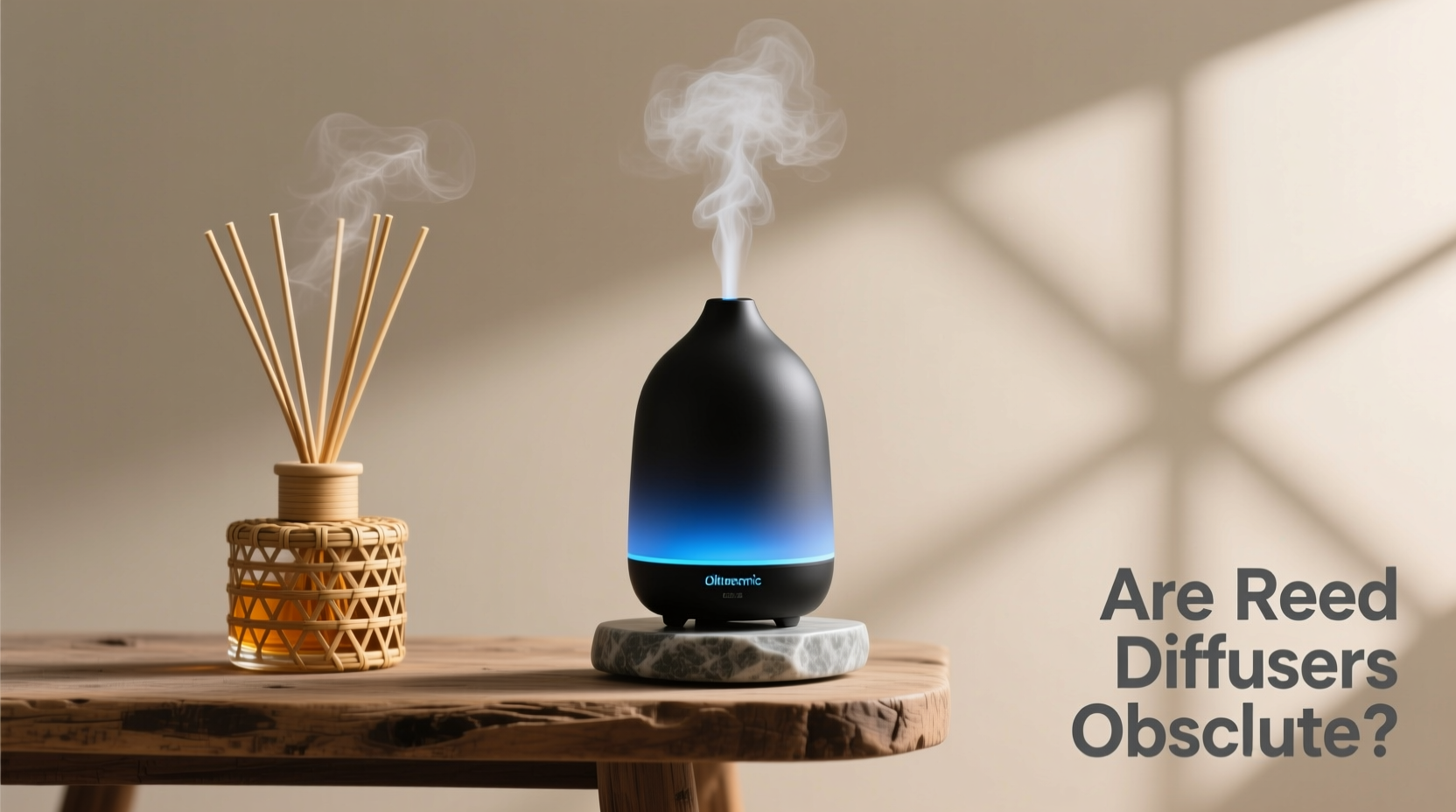
Home fragrance has come a long way from scented candles and potpourri. The modern consumer seeks more than just a pleasant smell — they want health benefits, smart functionality, and aesthetic versatility. Reed diffusers, particularly those using rattan sticks, represent passive diffusion: no energy input, slow release, and consistent background scent. They work by capillary action, where oil travels up porous reeds and evaporates into the air.
In contrast, ultrasonic diffusers use electronic vibration to break essential oils into micro-particles, dispersing them as a fine mist. This active method not only delivers stronger aroma bursts but also increases room humidity — a valuable feature in dry climates or during winter months.
“Ultrasonic diffusers transform the space holistically — scent, moisture, and mood. It’s not just about fragrance; it’s about atmosphere.” — Dr. Lena Torres, Environmental Wellness Researcher at Holistic Living Institute
Rattan Reed Diffusers: Strengths and Limitations
Rattan reed diffusers remain widely used due to their simplicity and visual appeal. They require no power source, pose no fire risk, and can last several months with proper care. Their understated elegance makes them ideal for minimalist interiors, hotel lobbies, and gift markets.
However, they come with notable drawbacks:
- Limited scent throw: Ideal for small spaces; ineffective in large or open-plan areas.
- Slow saturation: Takes 24–72 hours for full scent development.
- No adjustable intensity: Once assembled, output remains constant.
- Environmental concerns: Rattan is a natural material, but sourcing practices vary. Some brands use non-renewable wood alternatives or plastic-based reeds.
- Maintenance issues: Dust buildup on reeds reduces efficiency; flipping sticks weekly is required to refresh scent.
Ultrasonic Diffusers: The Rise of Smart Aromatics
Ultrasonic diffusers have surged in popularity, especially among wellness enthusiasts and tech-savvy homeowners. These devices typically run on water mixed with essential oils, creating a cool mist that carries fragrance evenly through a room. Many models include LED lighting, timer settings, auto-shutoff, and even Bluetooth connectivity.
Key advantages include:
- Adjustable output: Control mist frequency and duration via settings.
- Humidification: Adds moisture to dry indoor air, supporting respiratory comfort.
- Stronger scent projection: Covers larger areas effectively (up to 300 sq ft).
- Versatility: Can be used with pure essential oils for therapeutic effects.
- Eco-friendly operation: Low energy consumption and reusable design reduce waste.
Still, ultrasonic units aren’t perfect. They require regular cleaning to prevent mold, need access to electricity, and may not suit minimalist decor due to visible cords or bulkier designs.
Comparative Analysis: Rattan Reed vs Ultrasonic Diffusers
| Feature | Rattan Reed Diffuser | Ultrasonic Diffuser |
|---|---|---|
| Scent Intensity | Low to moderate | Moderate to high |
| Coverage Area | Small rooms (up to 150 sq ft) | Medium to large rooms (up to 300 sq ft) |
| Energy Use | None | Low (USB-powered) |
| Maintenance | Flip reeds weekly, replace liquid monthly | Daily water changes, weekly deep clean |
| Lifespan of Unit | Reusable vessel; reeds replaced periodically | 2–5 years with care |
| Aesthetic Flexibility | High – blends with any decor | Moderate – design varies by model |
| Additional Benefits | Decorative only | Humidifies air, mood lighting, aromatherapy |
| Cost Over Time | Recurring oil purchases | Lower oil usage, higher upfront cost |
Real-World Scenario: A Shift in Office Scent Strategy
A mid-sized marketing firm in Portland, Oregon, recently transitioned from reed diffusers to ultrasonic units across its office spaces. Previously, they used rattan reed bottles in reception and meeting rooms, but feedback indicated inconsistent scent distribution and weak presence in open-concept zones.
After testing both systems side-by-side for six weeks, the facilities team reported:
- Employee satisfaction with air quality rose by 40% with ultrasonic units.
- Fewer complaints about dry skin and sinus irritation during winter.
- Perceived professionalism increased due to dynamic lighting and cleaner scent profiles.
While initial costs were higher ($80 per unit vs $30 for reed sets), the company saved on refill frequency and reduced replacement needs. Today, they maintain a hybrid approach — reeds in executive suites for elegance, ultrasonics in communal areas for performance.
Is Obsolescence Inevitable? A Balanced Perspective
Declaring reed diffusers obsolete would be premature. Instead, the market is segmenting. Consumers now choose based on context rather than default preference. For example:
- Bathrooms and hallways: Reed diffusers excel due to compact size and zero electrical risk.
- Living rooms and bedrooms: Ultrasonic models dominate when users seek wellness integration.
- Gifting and hospitality: Reed diffusers still lead in perceived luxury and ease of setup.
That said, innovation in reed technology has stagnated. Most brands reuse the same rattan-and-glass formula with minor packaging updates. In contrast, ultrasonic diffusers evolve rapidly — integrating smart home compatibility, app control, and eco-conscious materials.
Actionable Checklist: Choosing the Right Diffuser for Your Needs
- Assess room size and airflow — large spaces favor ultrasonic.
- Determine desired function — scent only, or added humidification?
- Consider safety — avoid electronics near water if children or pets are present.
- Evaluate maintenance willingness — do you prefer “set and forget” or routine upkeep?
- Check oil compatibility — some reed bases use carrier oils unsuitable for inhalation.
- Review aesthetic priorities — does the device complement your interior style?
- Factor in long-term cost — compare refill prices and unit lifespan.
Frequently Asked Questions
Can I use essential oils in a rattan reed diffuser?
Yes, but only if diluted with a carrier oil like safflower or sweet almond oil. Pure essential oils may evaporate too quickly or damage reeds. Always follow manufacturer guidelines.
Do ultrasonic diffusers damage furniture?
If placed directly on wooden surfaces, mist accumulation can cause water marks. Always use a tray or coaster. Opt for models with drip sensors and overflow protection.
How often should I clean my ultrasonic diffuser?
Empty and rinse after each use. Perform a deep clean with white vinegar or citric acid weekly to prevent mineral buildup and microbial growth.
Conclusion: Adaptation Over Replacement
Reed diffusers are not disappearing — they’re adapting. While ultrasonic diffusers capture growing demand for functional, intelligent home systems, rattan-based options retain strong appeal in niches valuing simplicity, beauty, and passivity. The future of home fragrance lies not in one-size-fits-all solutions, but in informed choice.
Whether you prioritize tranquility or technology, there’s a diffusion method that aligns with your lifestyle. Rather than asking whether reed diffusers are obsolete, ask instead: What role does scent play in your space? Answer that, and the right tool becomes clear.




 浙公网安备
33010002000092号
浙公网安备
33010002000092号 浙B2-20120091-4
Comments
No comments yet. Why don't you start the discussion?