
In an era where minimalism meets functionality, the zero wallet has emerged as a favorite among urban professionals, travelers, and design-conscious individuals. Unlike traditional wallets that bulk up pockets and strain seams over time, a zero wallet is engineered for slimmer profiles, smarter organization, and long-term resilience. But not all zero wallets are created equal. With a surge in demand, the market is flooded with options—some built to last, others designed for obsolescence. Knowing what separates a premium product from a passing trend is essential for making a smart investment.
A truly high-quality zero wallet balances form and function. It doesn’t just hold your cards; it protects them. It doesn’t just fit in your pocket; it conforms to your lifestyle. This guide breaks down the defining characteristics of a superior zero wallet, equipping you with the knowledge to spot craftsmanship, avoid gimmicks, and choose a model that delivers lasting value.
Material Mastery: What Your Wallet Is Made Of Matters
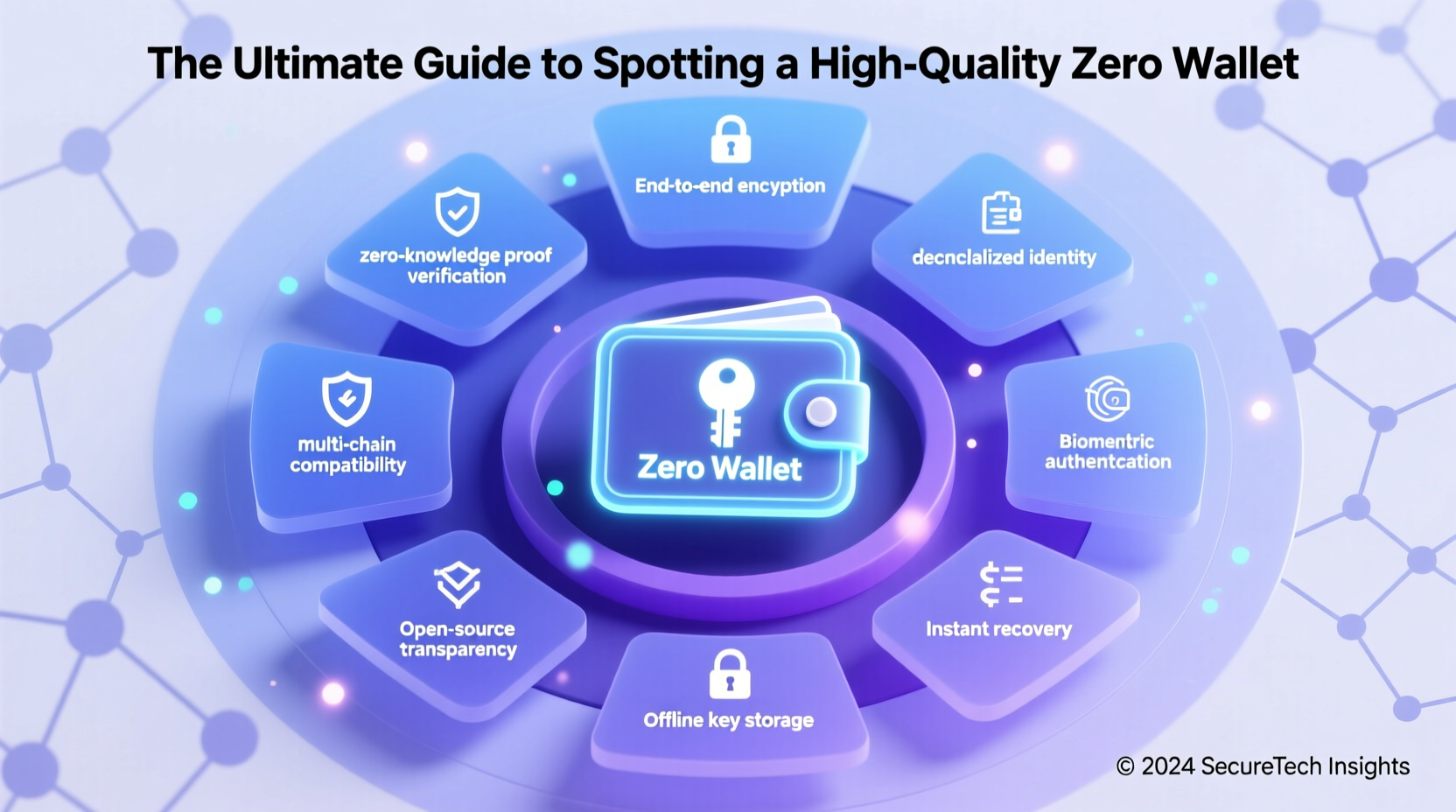
The foundation of any durable zero wallet lies in its material. Inferior materials may look sleek at first glance but degrade quickly under daily stress. Premium construction uses either advanced synthetics or natural elements treated for longevity.
- Full-grain leather: The gold standard in wallet materials. It retains the hide’s natural fibers, offering unmatched durability and a patina that improves with age.
- Ballistic nylon: Originally developed for military gear, this fabric resists abrasions, tears, and moisture—ideal for active users.
- Titanium or aerospace-grade aluminum: Used in metal-based zero wallets, these materials offer extreme resistance to bending, corrosion, and wear.
- Recycled ocean plastics (rPET): Eco-conscious brands use this sustainable alternative without sacrificing tensile strength.
Avoid wallets made from bonded leather, vinyl, or thin polyester blends. These often peel, crack, or lose shape within months of regular use.
Design Intelligence: Form Follows Function
A well-designed zero wallet doesn’t sacrifice usability for slimness. Key structural elements determine how effectively it integrates into your daily routine.
Ergonomic Card Access
The best models allow smooth one-handed card retrieval. Look for angled slots, spring-loaded mechanisms, or pull-tab designs that prevent jamming. A wallet that requires two hands to access a card defeats the purpose of minimalist efficiency.
RFID Protection That Works
With digital theft on the rise, RFID-blocking layers are no longer optional. However, not all shielding is effective. High-end wallets embed multi-layer metallic linings between durable substrates, tested to block frequencies between 13–15 MHz—the range used by contactless credit cards and passports.
“Many wallets claim RFID protection but fail independent testing. True protection requires full encapsulation, not just a foil sticker.” — Daniel Reeves, Cybersecurity Hardware Analyst at TechShield Labs
Slip Resistance and Grip
Some ultra-slim wallets become slippery, especially when made entirely of metal. Premium versions incorporate textured finishes, laser engraving, or rubberized inserts to improve grip and reduce drop risk.
Build Quality Checklist: What to Inspect Before Buying
Before purchasing, conduct a mental inspection using this checklist to ensure you’re getting a top-tier product.
- Stitching precision: If stitched, threads should be tight, even, and double-stitched at stress points like corners.
- Edge finishing: Leather edges should be sanded and sealed, not frayed or raw.
- Hinge durability: For flip-style or bi-fold zero wallets, open and close the mechanism 10 times. It should remain smooth and secure.
- Weight distribution: When loaded with 4–6 cards, the wallet should lie flat without warping.
- Brand transparency: Reputable manufacturers disclose material sources, manufacturing locations, and warranty terms.
Comparative Analysis: High-Quality vs. Low-Tier Zero Wallets
| Feature | High-Quality Wallet | Low-Tier Wallet |
|---|---|---|
| Material | Full-grain leather, titanium, ballistic nylon | Bonded leather, plastic composites, thin aluminum |
| Card Capacity | 4–8 cards with expansion room | Overstuffed beyond 4 cards, causes bulging |
| RFID Protection | Fully shielded, lab-tested | Unverified claims, minimal lining |
| Warranty | Lifetime or 5+ years | 6 months or none |
| Price Range | $75–$150 | $20–$40 |
| User Longevity | 3+ years with daily use | 6–12 months before failure |
This comparison underscores a crucial point: while entry-level wallets appear cost-effective upfront, their shorter lifespan often leads to higher replacement costs and user frustration.
Real-World Example: How One Traveler Avoided Disaster
Mark, a digital nomad based in Lisbon, relied on a $30 zero wallet during a three-month Southeast Asia trip. By week six, the adhesive holding the RFID layer failed, exposing his credit card data. Simultaneously, the thin aluminum body bent in his back pocket, rendering two cards unreadable. Forced to replace both the wallet and cards, he spent more than he would have on a single premium model.
He switched to a titanium zero wallet with a lifetime warranty. Over the next 18 months, it survived airport security scans, monsoon humidity, and daily wear. “It’s dented, sure,” he said, “but every card still slides out smoothly, and I’ve never worried about skimming.” His experience illustrates how quality pays for itself in reliability and peace of mind.
Step-by-Step Guide to Evaluating a Zero Wallet
Follow this sequence when assessing potential purchases, whether online or in-store:
- Review the product specifications: Identify exact materials, dimensions, and included features like RFID or quick-access slots.
- Check warranty and return policy: A brand confident in its build offers at least a 2-year guarantee.
- Read third-party reviews: Focus on long-term feedback mentioning durability, comfort, and mechanism reliability.
- Test in person if possible: Load it with your usual cards and simulate retrieval motions.
- Assess the brand’s ethos: Companies committed to sustainability, ethical labor, and modular repairability often produce better products.
Frequently Asked Questions
Can a zero wallet really hold everything I need?
Yes, if chosen wisely. Most high-quality models accommodate 4–6 cards and folded cash or receipts. Prioritize essentials: ID, one credit card, one debit card, and emergency cash. The goal is reducing clutter, not eliminating necessity.
Are metal zero wallets safe for my phone or cards?
Modern NFC and RFID cards are not damaged by non-magnetic metals like titanium or aluminum. However, avoid placing strong magnets near credit cards. Premium wallets use magnet-free retention systems or shielded magnetic closures.
How do I clean and maintain my zero wallet?
For leather: wipe with a damp cloth monthly and condition every 3–6 months. For metal: use isopropyl alcohol on a soft cloth to remove oils. Fabric models can be gently brushed and air-dried. Never submerge any wallet in water.
Final Thoughts: Choose Smart, Carry Light
A high-quality zero wallet isn’t just an accessory—it’s a daily tool refined through thoughtful engineering and durable materials. From resisting digital theft to surviving the rigors of international travel, the right model enhances both security and simplicity. By focusing on material integrity, intelligent design, and proven build quality, you avoid the pitfalls of fast-fashion accessories and invest in something that lasts.




 浙公网安备
33010002000092号
浙公网安备
33010002000092号 浙B2-20120091-4
Comments
No comments yet. Why don't you start the discussion?