
Gardening demands precision, strength, and endurance—especially when it comes to pruning. For gardeners dealing with thick branches or managing large shrubs, standard bypass pruners may fall short. That’s where ratchet pruners come in. Engineered to multiply cutting force through a mechanical advantage, they allow users to cut through tough wood with minimal hand strain. But not all ratchet pruners are created equal. Choosing the best model requires understanding key features, materials, ergonomics, and real-world performance. This guide breaks down what makes a ratchet pruner truly reliable and efficient, backed by expert insight and practical testing.
How Ratchet Pruners Work: The Mechanics Behind the Power
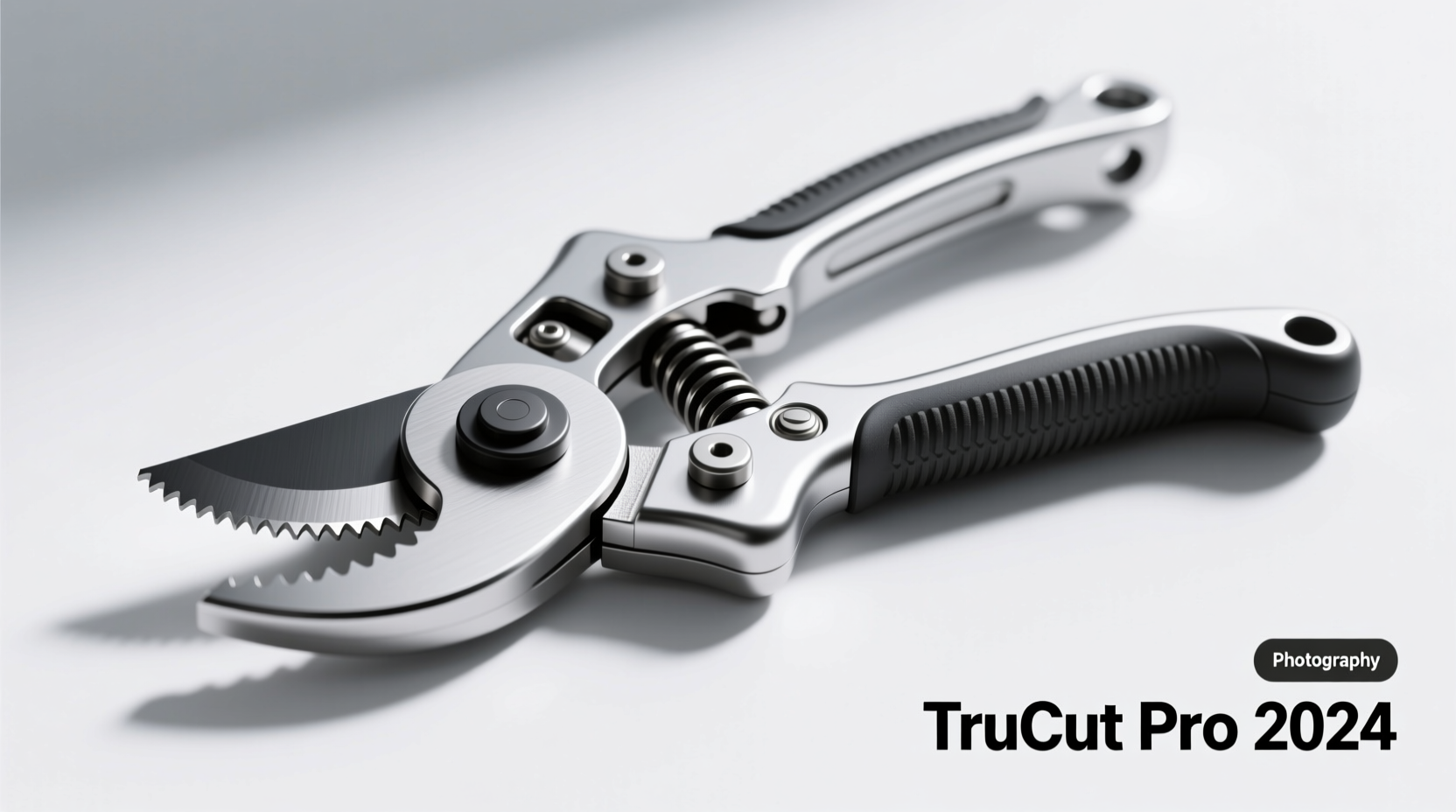
Unlike traditional hand pruners that rely solely on hand strength, ratchet pruners use a multi-stage mechanism to gradually close the blades around a branch. With each squeeze of the handle, the ratcheting system advances the blade incrementally, building leverage until the cut is complete. This design is particularly beneficial for individuals with arthritis, limited grip strength, or those regularly working with dense stems up to ¾ inch in diameter.
The core components include:
- Ratchet mechanism – Allows progressive cutting over multiple strokes
- Bypass or anvil blade – Bypass types offer cleaner cuts; anvil types crush but deliver more power
- Spring system – Returns handles to open position after release
- Ergonomic grips – Reduce fatigue during repeated use
This incremental action reduces peak hand pressure by as much as 70%, according to horticultural tool studies conducted at Oregon State University’s Extension Service. As one arborist noted, “The ratchet isn’t just about convenience—it’s about enabling precise control without sacrificing safety.”
Top Features of High-Performance Ratchet Pruners
When evaluating reliability and efficiency, several technical aspects separate premium models from basic ones. These features directly impact durability, user comfort, and cutting capability.
Blade Material and Coating
High-carbon steel blades maintain sharpness longer and resist deformation under pressure. Many top-tier models feature tungsten carbide or titanium coatings, which enhance corrosion resistance and reduce friction. A non-stick coating like Teflon helps prevent sap buildup, especially important when pruning resinous trees like pines or maples.
Handle Design and Grip Quality
Ergonomics play a crucial role in long-term usability. Look for pruners with contoured, slip-resistant rubberized grips. Some brands incorporate soft-touch zones or cushioned palm rests to absorb vibration. Handles should be long enough to generate leverage but not so long as to become unwieldy in tight spaces.
Adjustability and Maintenance Access
Superior models allow blade tension adjustment, ensuring optimal performance as components wear. Quick-release mechanisms for blade removal make cleaning and sharpening easier. Tools that require proprietary tools or complex disassembly often discourage routine maintenance, reducing lifespan.
Weight and Balance
An ideal ratchet pruner balances near the pivot point, minimizing wrist strain. Weights typically range from 8 to 14 ounces. Heavier tools may feel sturdier but can lead to fatigue during extended sessions.
“Gardeners often underestimate how much cumulative stress poor tool balance places on tendons. A well-balanced ratchet pruner can prevent repetitive strain injuries.” — Dr. Lena Torres, Occupational Therapist & Horticultural Ergonomics Consultant
Comparison: Leading Ratchet Pruner Models
| Model | Max Cut Capacity | Blade Type | Weight | Key Feature | Price Range |
|---|---|---|---|---|---|
| Fiskars PowerGear2 | ¾ inch | Bypass | 10.5 oz | Ultraboost blade cam system | $35–$40 |
| ARSTIA Heavy-Duty Ratchet | 1 inch | Anvil | 13.2 oz | Dual-ratchet lock positions | $28–$32 |
| Corona RS_7415D | ¾ inch | Bypass | 11.8 oz | Replaceable blade & ergonomic D-grip | $45–$50 |
| Gardena ComfortCut Ratchet | ⅝ inch | Bypass | 9.6 oz | Self-cleaning gear mechanism | $55–$60 |
| Wolf Garten Softgrip Ratchet | ¾ inch | Bypass | 11.0 oz | Extra-wide trigger opening | $40–$45 |
While price often correlates with build quality, some mid-range models like the ARSTIA and Fiskars deliver exceptional value. The Gardena stands out for its self-cleaning internals—a rare feature that prevents debris accumulation inside the ratchet housing.
Step-by-Step: Choosing and Using Your Ratchet Pruner
Selecting the right tool is only half the battle. Proper usage ensures longevity and effectiveness.
- Assess your pruning needs – Determine average branch thickness and frequency of use. Occasional light pruning favors lighter bypass models; frequent heavy-duty work may justify an anvil-type.
- Test the grip – If possible, hold the pruner. Fingers should wrap comfortably around the handles without stretching or pinching.
- Check the ratchet action – Operate the mechanism slowly. It should engage smoothly at multiple points and release cleanly.
- Inspect blade alignment – When closed, the blade should meet the hook precisely without wobble.
- Begin cutting technique – Position the branch deep in the jaws, align the blade correctly (bypass pruners cut like scissors), and apply steady, rhythmic squeezes.
- Maintain after each session – Wipe blades, clear debris from gears, apply light oil to moving parts, and store in a dry place.
Real-World Example: Reviving an Overgrown Landscape
Sarah Mendoza, a homeowner in Portland, Oregon, faced a neglected backyard filled with overgrown honeysuckle and wild rose. Attempting to clear it with standard pruners left her with sore hands and incomplete cuts. After switching to a Fiskars PowerGear2 ratchet pruner, she completed the job in two weekends instead of six. “I could finally cut through ¾-inch stems without straining,” she said. “The ratchet let me work steadily, even when my hands got tired. It made a huge difference in both speed and comfort.”
Her experience underscores a broader truth: the right tool doesn’t just improve efficiency—it enables projects that might otherwise seem daunting.
Essential Care Checklist for Longevity
To keep your ratchet pruner performing at its peak, follow this monthly maintenance checklist:
- ✅ Clean blades with rubbing alcohol or mild soapy water
- ✅ Remove plant residue from ratchet gears using a soft brush
- ✅ Apply a drop of lightweight machine oil to pivot and gear points
- ✅ Check for loose screws or worn springs
- ✅ Sharpen blades using a flat or round file, following original bevel angle
- ✅ Store in a dry tool rack or cabinet—avoid damp sheds or direct sunlight
Frequently Asked Questions
Can I use a ratchet pruner on green wood?
Yes. Bypass-style ratchet pruners are designed specifically for live, green wood. Their scissor-like action ensures clean cuts that heal quickly on plants. Avoid using anvil types on green stems, as they tend to crush rather than slice.
Are ratchet pruners suitable for people with arthritis?
Absolutely. The reduced hand force required—often less than 5 pounds per squeeze—makes them ideal for users with joint pain or reduced grip strength. Many occupational therapists recommend them as adaptive tools.
How often should I replace the blade?
With proper care, high-quality blades last 3–5 years of regular use. Replace if you notice chipping, excessive dullness that resists sharpening, or bending. Some models offer replaceable blades, extending the tool’s overall life.
Conclusion: Invest in Efficiency, Reap the Rewards
Reliable and efficient ratchet pruners are more than just convenient—they’re transformative tools for serious gardeners and casual yard workers alike. By combining mechanical advantage with smart design, they reduce physical strain while increasing cutting precision and productivity. Whether you're maintaining fruit trees, shaping hedges, or clearing storm-damaged limbs, the right ratchet pruner pays for itself in saved time and effort.




 浙公网安备
33010002000092号
浙公网安备
33010002000092号 浙B2-20120091-4
Comments
No comments yet. Why don't you start the discussion?