
When it comes to crafting highly detailed miniatures—whether for tabletop gaming, collectibles, or display models—the choice between resin and PLA can dramatically affect the final result. Both materials have passionate followings and distinct advantages, but they cater to different needs, skill levels, and project goals. Understanding their strengths and limitations helps makers make informed decisions that align with their workflow, budget, and desired outcome.
PLA (polylactic acid) is a popular thermoplastic used in fused deposition modeling (FDM) printers. It’s known for its ease of use, low odor, and environmental friendliness. Resin, on the other hand, is a photopolymer used in stereolithography (SLA) or digital light processing (DLP) printers. It excels in capturing intricate details at microscopic levels. For miniature enthusiasts, this distinction is critical.
Detailed Comparison: Print Quality and Resolution
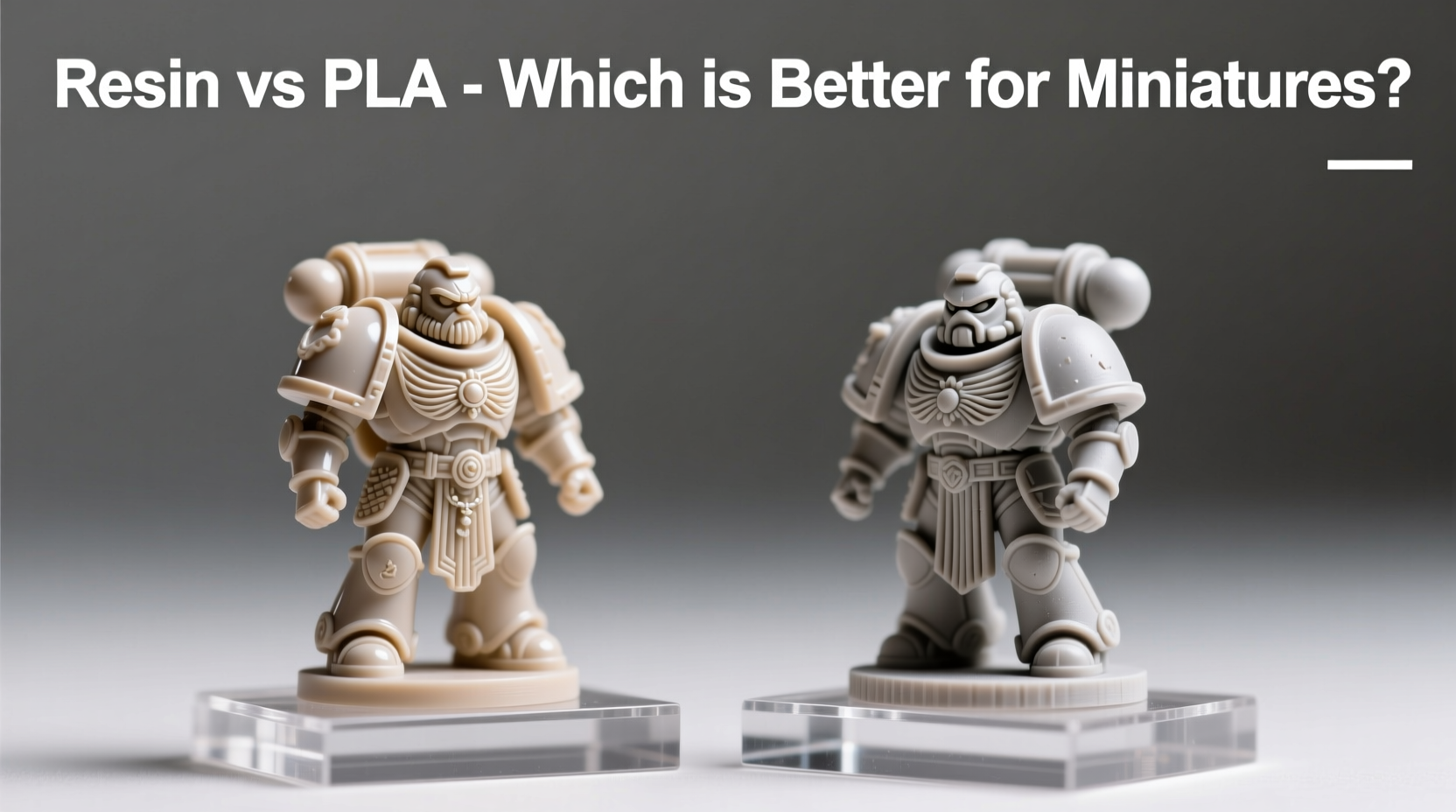
The primary reason hobbyists consider resin over PLA for miniatures is resolution. SLA and DLP printers typically offer layer heights as fine as 25 microns (0.025 mm), compared to FDM printers, which usually operate between 50 and 200 microns. This difference translates directly into surface smoothness and detail fidelity.
Resin prints capture delicate facial features, chainmail textures, and fine engravings with striking clarity. Hair strands, weapon engravings, and subtle folds in clothing are rendered with near-casting-level precision. In contrast, PLA prints often show visible layer lines, especially on curved surfaces, requiring significant sanding and filling to achieve a professional finish.
FDM technology inherently creates stair-stepping on diagonal surfaces, which becomes more pronounced on small-scale models. While high-end FDM printers with optimized settings can produce decent results, they still fall short of the baseline quality offered by even entry-level resin printers.
Mechanical Properties and Durability
While resin wins in detail, PLA holds an advantage in durability and mechanical stability. PLA is a rigid thermoplastic that resists snapping under moderate stress. Miniatures printed in PLA can withstand handling during gameplay, transportation, and painting without breaking easily.
Standard resins, particularly basic or budget formulations, tend to be brittle. Thin parts—such as swords, spears, or outstretched arms—are prone to snapping if dropped or handled roughly. This fragility can be mitigated with tougher or flexible resins, but these often sacrifice some surface detail and require longer curing times.
Additionally, cured resin is sensitive to prolonged UV exposure. Over time, sunlight or strong artificial lighting can cause yellowing or embrittlement. PLA, while not immune to UV degradation, generally maintains structural integrity longer under normal indoor conditions.
“Resin captures detail like no other consumer 3D printing method, but it demands careful handling. If you're printing for display only, it's unmatched. For battle-ready terrain or wargaming pieces, PLA might be smarter.” — Daniel Reyes, Miniature Design Specialist at PrintForge Studios
Post-Processing Requirements
One of the most significant differences between resin and PLA lies in post-processing. PLA prints typically require minimal cleanup: removing support marks with a hobby knife, light sanding, and priming before painting. The process is straightforward and familiar to most modelers.
Resin, however, demands a more involved workflow. After printing, models must be washed in isopropyl alcohol (IPA) or a dedicated cleaning solution to remove uncured resin. Failure to do so results in sticky, greasy surfaces that won’t accept paint properly. This step requires gloves, ventilation, and proper disposal procedures due to the chemical hazards involved.
Once cleaned, resin prints need UV curing. Uncured prints remain chemically unstable and may degrade over time. A UV curing station ensures full polymerization, enhancing strength and longevity. Skipping this step risks print failure down the line.
Supports in resin printing are also more intrusive. Due to the nature of SLA printing, supports must touch the model at multiple points to prevent detachment during printing. These leave small nubs that require careful filing or sanding. Because resin is more brittle than PLA, removing supports without damaging fine details requires patience and precision tools.
Step-by-Step Post-Processing Workflow
- Remove the print from the build plate using a spatula.
- Soak the model in 90%+ isopropyl alcohol for 5–10 minutes, agitating gently.
- Rinse with fresh IPA and repeat if residue remains.
- Dry thoroughly with compressed air or lint-free cloth.
- Cure under UV light for 5–10 minutes per side (longer for large models).
- Remove supports with flush cutters, then file/sand attachment points.
- Prime and paint as desired.
Cost and Accessibility Analysis
Initial investment and ongoing costs differ significantly between the two technologies. FDM printers capable of decent miniature work start around $150–$300. PLA filament costs approximately $20–$30 per kilogram and lasts for dozens of small models.
Resin printers begin at a similar price point—some Elegoo or Anycubic models are available for under $200—but additional equipment increases the total cost. A washing station ($60–$120), curing station ($80–$150), safety gear, and IPA supply add up quickly. Resin itself is more expensive, averaging $30–$50 per liter, and is less efficient due to support structures and wash losses.
Moreover, resin has a limited shelf life and degrades if exposed to light or heat. Unused bottles must be stored in dark, cool conditions. PLA, in contrast, can be stored on a shelf for months without issue.
| Factor | PLA (FDM) | Resin (SLA/DLP) |
|---|---|---|
| Average Printer Cost | $150–$400 | $180–$350 |
| Material Cost per kg/L | $20–$30 | $30–$50 |
| Layer Resolution | 50–200 microns | 25–50 microns |
| Print Speed (Miniature) | 1–3 hours | 1.5–4 hours |
| Post-Processing Time | 10–20 minutes | 45–90 minutes |
| Durability | High (impact-resistant) | Low to Medium (brittle) |
| Safety Concerns | Minimal (low fumes) | High (toxic resin, IPA, UV exposure) |
Real-World Example: Wargaming Miniature Production
Consider a freelance designer creating custom miniatures for sale on platforms like Cults3D or MyMiniFactory. Their goal is to produce highly detailed sculpts that appeal to collectors and painters. They test the same dragon rider model on both an FDM printer (Creality Ender 3 Pro) and an SLA printer (Elegoo Mars 2).
The PLA version takes 2 hours to print. Layer lines are visible on the wings and facial contours. After sanding and priming, the model looks acceptable but lacks sharpness in the claws and armor detailing. Customers note that it requires “more prep work” than expected.
The resin version takes 2.5 hours to print but requires 20 minutes of washing, 10 minutes of curing, and 30 minutes of support removal and touch-ups. The final model shows individual scales, defined musculature, and crisp weapon edges. Customer feedback praises the “excellent detail straight off the build plate.” Despite higher production time and cost, the resin version commands a 40% higher price and sells faster.
In this case, the target audience values aesthetics over durability, making resin the better choice despite its drawbacks.
When to Choose PLA vs. Resin
The decision isn’t about which material is universally better—it’s about matching the medium to the purpose.
- Choose PLA if: You want durable, playable miniatures; prefer a safer, simpler workflow; have a tight budget; or prioritize speed and ease over perfection in detail.
- Choose resin if: You’re focused on display-quality models, require museum-grade detail, plan to cast molds, or are entering competitive painting or sculpting communities.
Hobbyists who produce terrain, bases, or large-scale models often find PLA sufficient and more cost-effective. Those specializing in character busts, dioramas, or Kickstarter-backed figure lines almost always turn to resin for its visual impact.
Checklist: Choosing the Right Material for Your Miniature Project
- ☐ Define the primary use: gameplay, display, or sale?
- ☐ Assess your current equipment and workspace safety.
- ☐ Evaluate your comfort level with chemicals and post-processing.
- ☐ Estimate the number of prints and long-term material costs.
- ☐ Consider the level of detail required by your design.
- ☐ Test both materials with a small sample model if possible.
Frequently Asked Questions
Can I paint resin and PLA miniatures the same way?
Yes, both accept acrylic paints well once properly primed. However, resin must be fully cured and free of uncured residue before painting, or the paint may not adhere. PLA can be painted immediately after cleaning and priming.
Is resin printing dangerous for home use?
It can be if safety precautions are ignored. Uncured resin is toxic and a skin irritant. Always wear nitrile gloves, work in a ventilated area, and avoid skin contact. Store resin away from children and pets. With proper handling, home resin printing is safe.
Which material is better for beginners?
PLA is generally better for beginners due to its simplicity, lower cost, and minimal post-processing. Resin offers superior results but has a steeper learning curve and higher risk of failed prints or exposure hazards.
Final Recommendation
For miniatures where detail reigns supreme—such as portrait busts, award-winning display pieces, or highly intricate fantasy figures—resin is the superior choice. Its ability to reproduce micro-details out of the printer makes it the go-to for professionals and serious hobbyists alike.
However, PLA remains an excellent option for functional miniatures, rapid prototyping, or those new to 3D printing. It’s safer, cheaper, and more forgiving. Many experienced users maintain both FDM and SLA printers, selecting the tool based on the job at hand.
The future of miniature printing lies not in choosing one material over the other, but in understanding when each shines. By leveraging the strengths of both PLA and resin, creators can expand their capabilities, improve output quality, and deliver models that impress whether on the tabletop or the shelf.




 浙公网安备
33010002000092号
浙公网安备
33010002000092号 浙B2-20120091-4
Comments
No comments yet. Why don't you start the discussion?