
Walk into any boutique, scroll through an online fashion marketplace, or browse a costume rental site, and you’ll likely see the terms “vintage” and “retro” used interchangeably—especially when describing dresses. A 1950s-style swing dress might be labeled retro in one shop and vintage in another. But are they the same? Does the distinction actually matter beyond semantics? For collectors, stylists, historians, and even savvy shoppers, the answer is yes. Understanding the difference between retro and vintage isn’t just about accuracy—it shapes how we value, wear, and preserve fashion history.
Defining the Terms: What Is Vintage?
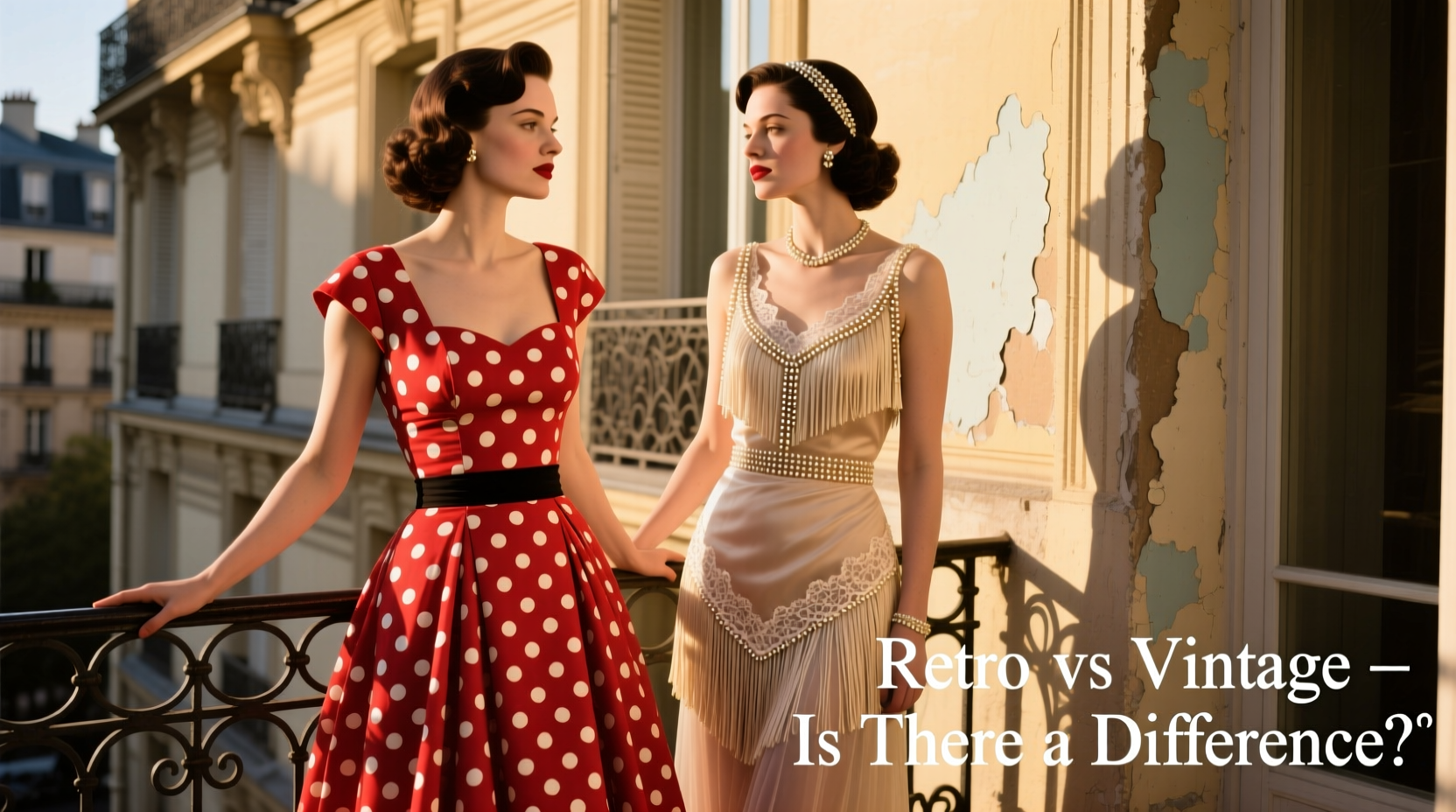
The word “vintage” originates from wine terminology, where it refers to the year a particular harvest was made. In fashion, it carries a similar weight of authenticity and time. Generally, a garment is considered vintage if it was made at least 20 years ago but no more than 100. This means that as of 2024, dresses produced between 1924 and 2004 qualify as vintage. However, within the fashion community, the term often implies more than just age—it suggests historical significance, craftsmanship, and original design.
Vintage dresses are not reproductions. They are genuine articles from the past, complete with period-specific fabrics, construction techniques, and styling cues. A true vintage 1960s mod shift dress, for example, would feature synthetic blends like acetate or polyester, metal zippers, and possibly hand-stitched details—all hallmarks of mid-century manufacturing.
“Wearing vintage is like wearing art from a specific cultural moment. It’s not just clothing—it’s time travel.” — Lila Monroe, Fashion Historian & Curator
What Does Retro Actually Mean?
Retro, short for “retrospective,” describes modern items designed to mimic styles from the past. A retro dress is not old; it’s new, but styled to evoke a previous decade—often the 1940s, 1950s, or 1970s. These garments are inspired by vintage aesthetics but created with contemporary materials, fits, and production methods. Think of a brand-new tea-length dress with a sweetheart neckline, polka dots, and a cinched waist—marketed as “1950s-inspired”—but made in Vietnam from eco-polyester and available in extended sizes.
Retro fashion celebrates nostalgia without requiring authenticity. It makes past trends accessible, wearable, and often more affordable. Unlike vintage pieces, which may require alterations or delicate care, retro dresses are built for modern lifestyles. They offer the charm of bygone eras with the comfort and durability expected today.
Key Differences Between Retro and Vintage Dresses
To clarify the distinction, consider these core differences:
| Aspect | Vintage Dress | Retro Dress |
|---|---|---|
| Age | At least 20 years old | Newly manufactured |
| Origin | Original piece from its era | Modern recreation or homage |
| Fabric & Construction | Period-appropriate materials (e.g., rayon, wool crepe) | Often uses modern synthetics or blends |
| Fit & Sizing | Reflects historical sizing (often smaller) | Modern sizing standards, inclusive ranges |
| Value | Can appreciate over time; collectible | Generally depreciates after purchase |
| Care Requirements | May need dry cleaning, careful storage | Typically machine washable, low maintenance |
Why the Difference Matters
To some, calling all old-looking dresses “vintage” might seem harmless. But mislabeling can have real consequences—financial, ethical, and cultural. Collectors seeking authentic pieces may overpay for retro items mistakenly marketed as vintage. Sustainability advocates promoting secondhand fashion might unintentionally support fast fashion brands producing retro copies instead of extending the life of actual vintage garments.
Moreover, the craftsmanship behind many vintage dresses is unmatched by today’s mass production. Hand-finished seams, silk linings, and custom tailoring were standard in mid-20th century couture and ready-to-wear lines. A 1950s Christian Dior-inspired silhouette reproduced today as retro may capture the look, but rarely the structural integrity or attention to detail.
A Real Example: The Wedding That Sparked a Debate
Sophie, a bride from Portland, wanted a 1940s-inspired wedding dress. She found a listing on a popular resale site labeled “vintage 1940s lace gown.” Excited, she paid $450 for the piece, only to discover upon arrival that the label read “Made in China, 2020.” After contacting the seller and researching further, she learned it was a retro reproduction—a well-made one, but not vintage. Though beautiful, the dress lacked the provenance she had hoped for. Her experience highlights how unclear labeling affects consumer trust and emotional investment.
This isn’t to say retro is inferior. Sophie ended up loving her dress and received countless compliments. But knowing the truth helped her appreciate it for what it was: a thoughtful homage, not a historical artifact.
How to Tell Them Apart: A Practical Guide
Telling retro from vintage isn’t always easy, especially with high-quality reproductions. Here’s a step-by-step method to help identify the real deal:
- Check the Label: Vintage garments often have brand names no longer in use (e.g., Jonathan Logan, Ceil Chapman) or union labels (like “ILGWU Made”). Retro dresses typically have modern brand tags and care instructions in contemporary formats.
- Examine the Zipper: Metal zippers are common in vintage pieces pre-1970s. Nylon or plastic zippers usually indicate post-1980s or modern manufacture.
- Analyze the Fabric: Vintage fabrics often feel stiffer or heavier. Look for signs of aging like subtle fading or seam stress. Retro fabrics tend to be softer, more elastic, and colorfast.
- Assess the Fit: Vintage sizing runs small. A vintage size 12 is closer to a modern size 6–8. If a “1950s dress” fits a size 14 perfectly off the rack, it’s likely retro.
- Research the Style Accuracy: Some retro dresses blend elements from multiple decades. A dress with a 1950s silhouette but adjustable spaghetti straps and stretch jersey fabric is probably not authentic.
When It Might Not Matter—And That’s Okay
For everyday wear, the distinction between retro and vintage doesn’t need to be a barrier to enjoyment. If you love the way a full-skirted, pin-up style dress makes you feel, whether it’s from 1955 or 2023 is secondary. Retro fashion plays a vital role in keeping classic silhouettes alive and accessible. Brands like Unique Vintage, Collectif, and Hell Bunny have revived interest in vintage-inspired looks while offering inclusive sizing and ethical production practices.
Ultimately, personal style is about expression. Wearing retro doesn’t make you less fashionable or authentic. In fact, pairing a retro dress with genuine vintage accessories—like a 1960s brooch or 1970s handbag—can create a layered, intentional look that honors the past while staying rooted in the present.
FAQ
Can a retro dress become vintage someday?
Yes—once a retro dress reaches 20 years old, it technically qualifies as vintage. However, future collectors may still distinguish between “original vintage” (from the era it mimics) and “period retro” (a later homage).
Is vintage always better than retro?
Not necessarily. Vintage offers authenticity and history, but retro provides consistency, fit inclusivity, and lower maintenance. The best choice depends on your needs: collecting, cost, comfort, or occasion.
Are retro dresses sustainable?
It depends. Mass-produced retro dresses made from synthetic fabrics contribute to textile waste. However, brands using deadstock fabrics or ethical labor practices can offer more sustainable alternatives to both fast fashion and rare vintage finds.
Final Thoughts: Respect the Past, Wear the Present
The difference between retro and vintage dresses does matter—not because one is inherently superior, but because each represents a different relationship with fashion history. Vintage connects us to real people, moments, and craftsmanship of the past. Retro keeps those aesthetics alive for new generations. Recognizing the distinction empowers you to make informed choices, whether you’re building a capsule wardrobe, sourcing for a film, or simply expressing your personal flair.
So next time you admire a full-skirted number or a sleek bias-cut gown, ask yourself: Am I looking at a relic or a revival? The answer might deepen your appreciation—and transform the way you wear it.




 浙公网安备
33010002000092号
浙公网安备
33010002000092号 浙B2-20120091-4
Comments
No comments yet. Why don't you start the discussion?