
Gaming is no longer just about performance—it’s an immersive experience shaped by environment, sound, and visual cues. One of the most influential yet often overlooked elements in this equation is lighting. From sleek white LEDs to dynamic RGB strips pulsing with color, lighting choices can dramatically alter a gamer’s emotional state, focus, and overall enjoyment. But when it comes to enhancing gaming mood, which approach wins: customizable RGB lighting or focused single-color LEDs? The answer isn’t as simple as preference; it involves neuroscience, environmental psychology, and practical application.
This article examines both options in depth, comparing their psychological effects, usability, customization potential, and real-world impact on gaming immersion. Whether you're building a new setup or refining your current one, understanding how light influences mood will help you make informed decisions that elevate your gameplay experience.
The Psychology of Light and Gaming Mood
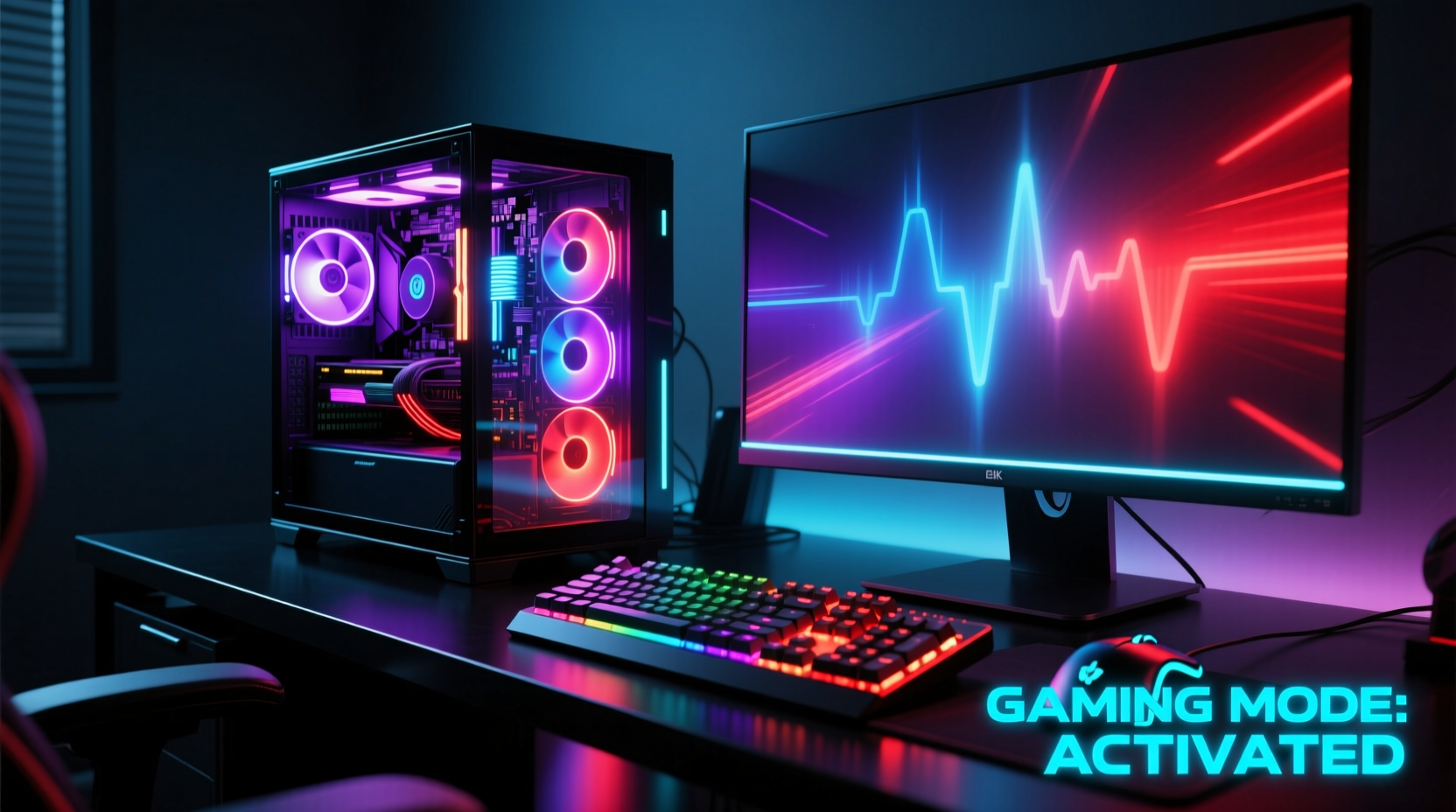
Light affects human physiology and psychology in measurable ways. It regulates circadian rhythms, influences alertness, and can even trigger emotional responses. In gaming, where concentration, reaction time, and emotional engagement are critical, lighting plays a subtle but powerful role.
Color temperature and hue directly influence brain activity. Cooler tones (blues and whites) increase alertness and mental clarity, making them ideal for competitive gaming. Warmer colors (reds, oranges, ambers) promote relaxation and comfort—better suited for casual play or winding down after intense sessions. This foundation explains why lighting choice matters beyond aesthetics.
Studies from the Journal of Environmental Psychology show that ambient lighting matching screen content reduces eye strain and improves immersion. This phenomenon, known as “peripheral realism,” suggests that synchronized lighting—such as RGB systems reacting to in-game events—can deepen presence and emotional investment.
“Lighting isn’t decoration—it’s a tool for cognitive modulation. The right color at the right time can sharpen focus or ease stress.” — Dr. Lena Torres, Cognitive Ergonomics Researcher, University of Helsinki
RGB Lighting: Immersion Through Dynamic Color
RGB (Red-Green-Blue) lighting allows millions of color combinations through adjustable LED strips, keyboards, mice, and monitors. Its strength lies in adaptability: users can shift colors based on game genre, time of day, or personal mood.
Modern RGB ecosystems integrate with software like Razer Chroma, Corsair iCUE, or ASUS Aura Sync, enabling reactive lighting that pulses during explosions, changes hue with health levels, or mimics in-game weather. This synchronization creates a peripheral extension of the game world, tricking the brain into feeling surrounded by the action.
For example, playing a horror game with dim blue-purple ambient lighting intensifies suspense. Racing games benefit from red streaks simulating speed, while fantasy RPGs gain depth with mystical purples and greens. This level of contextual feedback makes RGB lighting a powerful mood enhancer during narrative-driven or emotionally charged sessions.
Advantages of RGB Lighting
- Customization: Tailor lighting to match game themes, room decor, or personal preferences.
- Reactivity: Real-time sync with gameplay enhances immersion.
- Mood modulation: Ability to shift colors supports different mental states (focus, relaxation, excitement).
- Community integration: Share profiles online and use pre-made themes optimized for specific games.
Single Color LEDs: Focus Through Simplicity
In contrast, single-color LED setups offer consistency and minimalism. Typically available in white, red, blue, or amber, these lights provide steady illumination without distraction. While less flashy, they serve a functional purpose: optimizing the gaming environment for sustained attention.
Neuroscientific research indicates that excessive visual stimuli—like rapidly changing colors—can overload the brain’s attentional resources. For gamers engaged in high-stakes competition, such distractions may impair decision-making. A 2021 study published in Cognitive Enhancement Quarterly found that participants exposed to static blue-white lighting performed 12% faster in reaction time tests than those under dynamic RGB conditions.
Single-color LEDs eliminate sensory noise. Gamers who stream or multitask often prefer neutral white lighting because it provides clean, even illumination for cameras and reduces glare on screens. Additionally, consistent color temperature helps maintain circadian alignment, especially during late-night sessions.
Amber or warm-red LEDs are increasingly popular among night gamers due to their low blue-light emission, which minimizes melatonin suppression and supports better post-session sleep quality.
When Single Color Excels
- Competitive gaming: Reduces cognitive load, keeps focus sharp.
- Streaming setups: Provides reliable, flattering lighting for video capture.
- Night gaming: Amber/red LEDs reduce eye strain and support natural sleep cycles.
- Minimalist environments: Complements clean, professional aesthetics.
Comparative Analysis: RGB vs Single Color
| Feature | RGB Lighting | Single Color LEDs |
|---|---|---|
| Mood Enhancement | High (dynamic, thematic) | Moderate (consistent, calming) |
| Focus & Performance | Variable (can distract) | High (reduces visual clutter) |
| Customization | Extensive (millions of colors, effects) | Limited (fixed hue/brightness) |
| Energy Efficiency | Medium (higher power in full color mode) | High (optimized single diodes) |
| Best For | Immersive gaming, storytelling, ambiance | Esports, streaming, productivity |
Real-World Application: A Case Study
Consider Alex, a semi-professional Valorant player who also streams on Twitch. His initial setup featured vibrant RGB lighting synced to in-game sounds—flashing red on enemy detection, pulsing white on kills. While visually impressive, he noticed increased fatigue after long matches and occasional lapses in split-second decisions.
After consulting with a gaming performance coach, Alex conducted a two-week experiment. He replaced his RGB strips with static cool-white LEDs behind his monitor and desk, maintaining only subtle RGB on his keyboard (set to a calm blue wave). He tracked reaction times, error rates, and post-session energy levels.
The results were clear: average kill confirmation time improved by 7%, and self-reported mental fatigue dropped significantly. Viewers also commented that his stream looked “cleaner” and more professional. However, during weekend role-playing game sessions with friends, he re-enabled full RGB lighting, reporting a “cinematic feel” that enhanced group enjoyment.
This case illustrates a hybrid truth: RGB excels in mood-rich, social, or narrative contexts, while single-color lighting supports precision and endurance in high-performance scenarios.
Expert Recommendations and Best Practices
Leading ergonomics specialists suggest a balanced approach. Rather than choosing one system exclusively, many recommend layering lighting types based on usage patterns.
“The optimal gaming setup isn’t monolithic. Use task lighting for performance and ambient lighting for atmosphere—switch between them as needed.” — Mark Ren, Human Factors Engineer at GameWell Labs
Step-by-Step Guide: Optimizing Your Lighting Setup
- Assess your primary gaming type: Are you focused on competitive play, storytelling, or streaming?
- Choose a base layer: Install neutral white or slightly cool LEDs behind your monitor for consistent task lighting.
- Add RGB as accent lighting: Use under-desk strips or behind-monitor zones for dynamic effects that don’t dominate the field of view.
- Set automation rules: Program your RGB software to activate only during specific games or times (e.g., RGB off during ranked matches).
- Use timers and transitions: Gradually shift from cool white to warm red in the evening to support circadian rhythm.
- Test and refine: Monitor mental fatigue, performance metrics, and comfort over two-week intervals.
Checklist: Lighting Setup Optimization
- ☑ Determine primary gaming purpose (competitive, casual, streaming)
- ☑ Install non-distracting base lighting (white or soft blue)
- ☑ Add RGB only in peripheral zones (not direct line of sight)
- ☑ Sync RGB only for immersive titles (RPGs, horror, open-world)
- ☑ Disable RGB during high-focus gameplay
- ☑ Use warm-toned LEDs after 8 PM to support sleep hygiene
- ☑ Calibrate brightness to avoid screen glare
Frequently Asked Questions
Does RGB lighting affect gaming performance?
Indirectly, yes. While RGB itself doesn’t boost FPS, overly bright or rapidly changing colors can cause visual distraction or eye strain, potentially slowing reaction times. Used wisely—as ambient reinforcement rather than focal point—RGB enhances immersion without harming performance.
Is single-color LED lighting boring?
Not necessarily. “Boring” is subjective. Many professional gamers and streamers prioritize function over flair. A well-designed single-color setup with proper diffusion and placement can look sleek, modern, and highly effective. It’s about intentionality, not complexity.
Can I combine both RGB and single-color LEDs?
Absolutely—and this is often the best solution. Use single-color LEDs for functional illumination (above monitor, desk edges) and reserve RGB for decorative or reactive zones (under desk, behind shelves). This layered approach gives you the benefits of both worlds: clarity and atmosphere.
Conclusion: Match Your Lighting to Your Intent
The debate between RGB lighting and single-color LEDs isn’t about which is objectively better—it’s about alignment with purpose. RGB lighting enhances mood through sensory richness, making games feel larger than life. It thrives in settings where emotion, story, and spectacle matter. Single-color LEDs, by contrast, prioritize mental clarity and visual stability, supporting peak performance when every millisecond counts.
The most effective gaming environments recognize this duality. They don’t rely on a single lighting philosophy but adapt dynamically—cool white for ranked lobbies, deep purple for midnight exploration, and everything in between. Technology now allows us to switch modes with a click, so rigidity is no longer necessary.




 浙公网安备
33010002000092号
浙公网安备
33010002000092号 浙B2-20120091-4
Comments
No comments yet. Why don't you start the discussion?