
When it comes to choosing floor mats for your home, office, or vehicle, functionality often takes priority—but aesthetics and design details like shape are increasingly influencing decisions. One debate that surfaces frequently among interior designers, homeowners, and automotive enthusiasts is whether round or square floor mats make a meaningful difference. At first glance, the distinction may seem purely cosmetic. However, the shape of a floor mat impacts more than just appearance—it affects fit, durability, cleaning efficiency, and even safety. Understanding these nuances helps you make smarter choices based on environment, usage, and personal style.
Fit and Functionality: How Shape Influences Placement
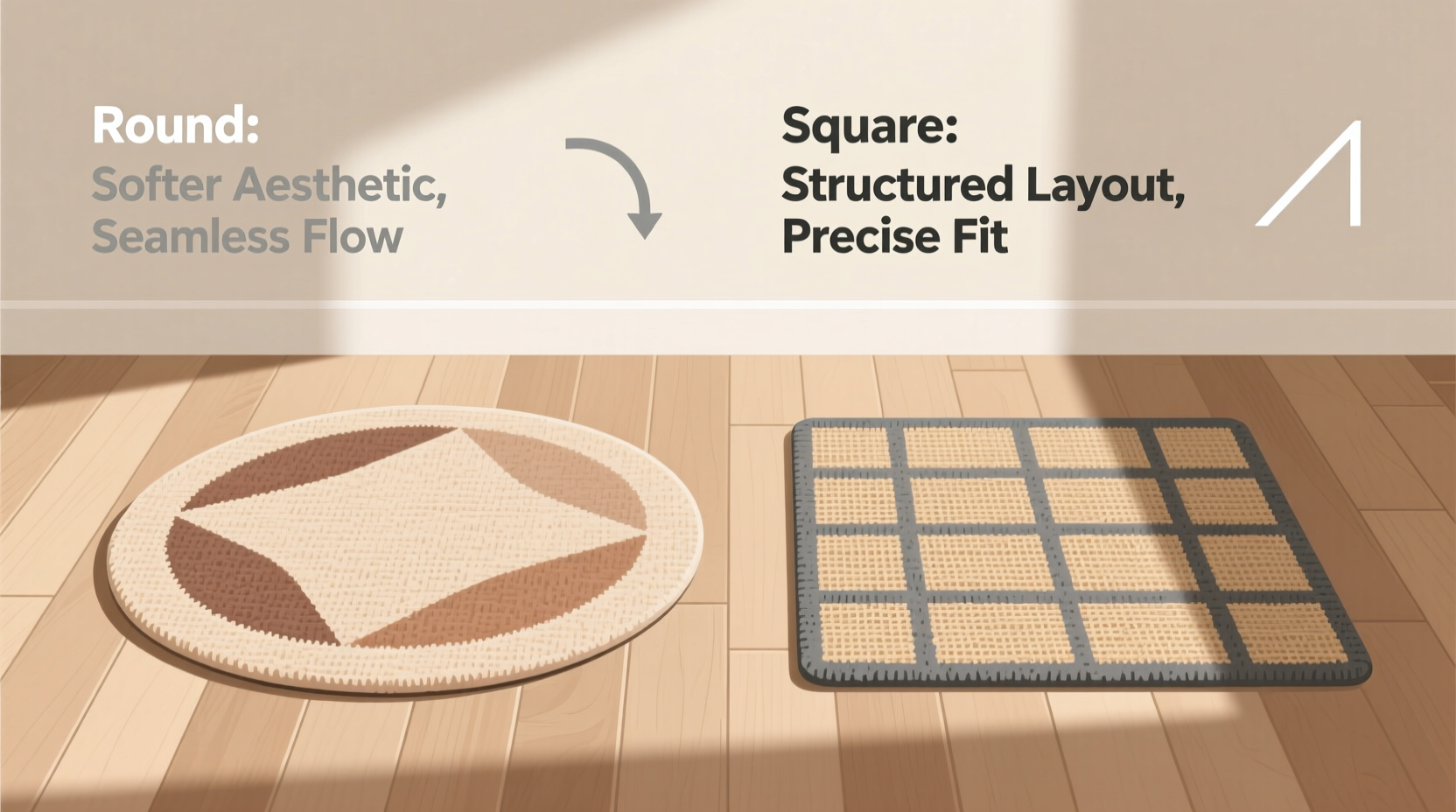
The geometry of a floor mat directly determines how well it fits in a given space. Square and rectangular mats dominate the market for a reason: most rooms, doorways, and car interiors feature right angles and straight edges. A square mat aligns naturally with walls, furniture, and entryway boundaries, minimizing awkward overhangs or gaps.
In contrast, round mats introduce a soft, organic element into structured environments. They work exceptionally well in areas where symmetry matters—such as beneath circular tables, in foyers with radial tile patterns, or under swivel chairs in open-concept offices. However, their curved edges can leave exposed flooring in corners, reducing overall coverage and increasing the risk of tracked-in dirt.
Automotive applications highlight this contrast even more sharply. Most factory-designed floor liners follow the contours of vehicle footwells, which are inherently angular. Aftermarket square mats may not conform precisely, leading to shifting or tripping hazards. Round car mats, while visually unique, are rare and typically custom-made due to compatibility issues with pedals and seat tracks.
Style and Interior Design Impact
Shape plays a subtle but powerful role in shaping the visual tone of a room. Square mats convey order, stability, and modern minimalism. They’re commonly used in corporate lobbies, contemporary living rooms, and high-traffic commercial spaces because they project professionalism and precision.
Round mats, on the other hand, soften hard lines and add a touch of playfulness or artistic flair. Interior designers often use them to break up rigid layouts or draw attention to a focal point—like a centerpiece rug in a dining area or an accent piece near a reading nook. In Scandinavian and bohemian styles, round textiles—including mats—are favored for their cozy, inviting presence.
However, aesthetic appeal must be balanced with practicality. While a large round mat might look striking under a coffee table, it may leave high-wear zones near seating areas unprotected. Similarly, using multiple small round mats in a kitchen instead of one continuous runner increases maintenance effort and reduces slip resistance.
“Shape isn’t just about looks—it’s about how people interact with space. A well-placed square mat guides movement; a round one invites pause.” — Lena Torres, Interior Spatial Designer
Performance Comparison: Durability, Cleaning, and Safety
Beyond design, performance metrics reveal tangible differences between round and square floor mats. These include edge wear, ease of cleaning, and safety considerations.
Square mats tend to have more uniform stress distribution along straight edges, making them less prone to curling at corners when made from quality rubber or coir. Their flat sides also allow for seamless alignment with baseboards and thresholds, reducing tripping risks. Additionally, standard shapes mean replacement parts and vacuum attachments are widely compatible.
Round mats, by contrast, concentrate wear along the outer circumference. Over time, especially in high-traffic zones, this can lead to fraying or warping that compromises grip. Their curved profiles also complicate cleaning—they don’t fit neatly into most automatic carpet cleaners, and mopping around them requires extra care to avoid missed spots.
From a safety perspective, square mats provide better full-foot coverage in entryways, helping scrape off moisture and debris efficiently. Studies by the National Floor Safety Institute suggest that properly fitted rectangular entrance mats reduce slip-and-fall incidents by up to 60%. Round entry mats, unless oversized, often fail to accommodate full stride lengths, leaving part of the shoe unstopped.
| Feature | Square Floor Mats | Round Floor Mats |
|---|---|---|
| Floor Coverage | High – maximizes usable surface | Moderate – leaves corner areas exposed |
| Cleaning Ease | Easy – compatible with most tools | Challenging – curved edges trap dirt |
| Durability | Even wear across edges | Concentrated wear on perimeter |
| Safety | Superior – stable placement, full coverage | Variable – depends on size and location |
| Design Flexibility | Structured, formal integration | Artistic, dynamic statement |
Real-World Application: A Case Study in Office Lobby Design
A mid-sized tech firm in Portland recently renovated its main lobby and faced a dilemma: should they install traditional rectangular welcome mats or experiment with circular designs to match their brand’s innovative image?
The design team tested both options over a six-week period. The square mats (measuring 3’x5’) were placed flush against the glass entrance, effectively capturing rain and mud during Oregon’s wet season. Employee feedback praised their reliability and low maintenance.
In contrast, three 4-foot diameter round mats were arranged in a triangular pattern near the reception desk for visual interest. While visitors commented positively on the artistic layout, custodial staff reported increased cleaning time and inconsistent scraping performance. Within four weeks, two of the round mats showed visible edge fraying from chair casters rolling over them.
The final decision was hybrid: square entrance mats remained for function, while a single decorative round mat was added in a low-traffic zone near a lounge chair. This balanced approach preserved safety and cleanliness without sacrificing creativity.
Choosing the Right Shape: A Practical Checklist
- ✅ Measure the installation area—note length, width, and any obstructions
- ✅ Consider foot traffic patterns—do people walk straight through or linger?
- ✅ Evaluate existing decor—does your space lean toward geometric or organic forms?
- ✅ Prioritize safety in entrances, kitchens, and bathrooms
- ✅ Think long-term maintenance—will the shape complicate cleaning?
- ✅ Test samples if possible—observe fit and user interaction over 48 hours
Frequently Asked Questions
Can I mix round and square mats in the same room?
Yes, but do so intentionally. Use square mats in functional zones (entry, kitchen) and round ones as accents (reading chair, center table). Avoid clutter by limiting combinations to two shapes max per room.
Are round floor mats harder to anchor?
Generally, yes. Many anti-slip pads and double-sided tapes are designed for rectangular formats. Round mats may require custom adhesive solutions or non-slip underlays cut to curve.
Do car manufacturers offer round floor mats?
Rarely. Vehicle footwells are engineered for contoured, angular mats that protect specific zones near pedals and gear shifts. Round car mats are mostly novelty items and not recommended for daily drivers due to safety concerns.
Final Thoughts: Shape Matters—But Context Matters More
The choice between round and square floor mats isn't merely stylistic—it reflects deeper considerations about how a space is used, maintained, and experienced. While square mats excel in utility, coverage, and safety, round mats bring creative energy and visual relief to rigid environments. The smartest approach isn’t to pick one over the other universally, but to match the shape to the purpose.
In high-traffic, functional areas like entryways, garages, or commercial halls, stick with square or rectangular designs for maximum protection and ease. In personal, decorative spaces where expression matters—bedrooms, lounges, boutique displays—a well-placed round mat can elevate the atmosphere.




 浙公网安备
33010002000092号
浙公网安备
33010002000092号 浙B2-20120091-4
Comments
No comments yet. Why don't you start the discussion?