
A checkered pencil case is more than just a storage solution—it’s often a personal favorite, combining style with function. Whether it's made of cotton canvas, polyester blend, or synthetic leather, the alternating light and dark squares are prone to showing dirt, ink stains, and wear over time. While cleaning seems straightforward, improper methods can lead to fading, warping, fraying, or permanent staining. The goal isn’t just cleanliness but preservation: keeping the pattern crisp, the zippers smooth, and the material intact. This guide outlines scientifically sound and practically tested approaches to safely restore your pencil case to its original condition—without risking structural or aesthetic damage.
Understanding Your Pencil Case Material
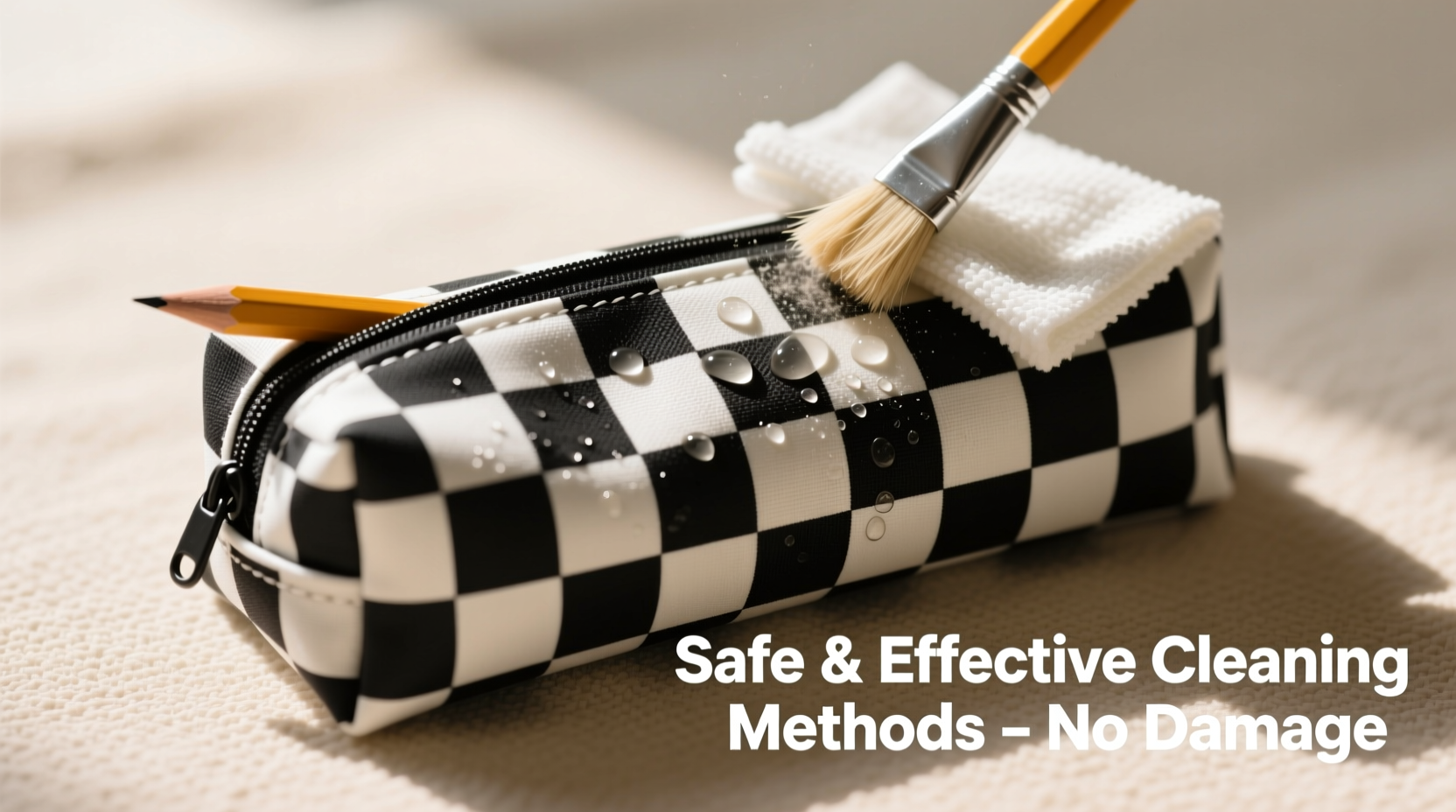
Before any cleaning begins, identifying the material is essential. Most checkered pencil cases fall into one of three categories:
- Cotton or Canvas Fabric: Breathable, soft, and common in school supplies. Prone to absorbing stains but generally machine-washable if unlined.
- Synthetic Blends (Polyester/Nylon): Durable, water-resistant, and colorfast. Often used in designer or travel-themed cases. Resists mildew but may retain odors.
- Faux Leather or Vinyl: Smooth, wipeable surfaces with a glossy finish. Sensitive to abrasives and solvents; requires non-oily cleaners.
The checkered pattern itself—typically black and white or red and white—can react differently to cleaning agents. Lighter squares absorb grime faster, while darker ones may bleed dye if exposed to harsh detergents or hot water.
“Always test any cleaner on an inconspicuous edge first. A small patch test can prevent irreversible fading or texture change.” — Dr. Lena Patel, Textile Conservation Specialist, University of Edinburgh
Step-by-Step Guide: Safe Cleaning by Material Type
Cleaning must be tailored to the case’s construction. Follow these detailed procedures based on material classification.
For Fabric (Cotton/Canvas/Polyester Blend) Cases
- Empty and Shake: Remove all contents and gently shake outdoors to dislodge loose debris.
- Spot Clean First: Use a microfiber cloth dampened with cold water and a drop of mild detergent (like Woolite or dish soap) to dab at visible stains. Avoid rubbing.
- Hand Wash (Recommended): Fill a basin with cold water and a small amount of gentle detergent. Submerge the case and swirl gently for 2–3 minutes. Do not soak longer than 5 minutes.
- Rinse Thoroughly: Hold under cool running water until suds disappear. Never wring or twist.
- Dry Flat: Lay on a clean towel, reshape, and roll to extract excess moisture. Then air-dry away from direct sunlight or heat sources.
For Faux Leather or Vinyl Cases
- Wipe Exterior: Use a soft, lint-free cloth slightly dampened with distilled water. Wipe in straight lines following the grain.
- Tackle Stains: For ink or scuff marks, apply a tiny amount of isopropyl alcohol (70%) to a cotton swab and gently dab—never scrub.
- Avoid Moisture Buildup: Do not immerse or allow water to pool near zippers or seams.
- Dry Immediately: Buff with a dry section of the cloth and let sit in a ventilated area for 1–2 hours.
Do’s and Don’ts: Cleaning Comparison Table
| Material | Do’s | Don’ts |
|---|---|---|
| Cotton/Canvas | Use cold water, mild soap, hand wash, air dry flat | Hot water, bleach, wringing, tumble drying |
| Polyester Blend | Spot clean, gentle machine wash (in a pillowcase), low spin | Fabric softener, high heat, abrasive brushes |
| Faux Leather | Damp cloth, alcohol swabs for spots, immediate drying | Soaking, oil-based cleaners, direct sunlight during drying |
Real Example: Reviving a School Student’s Beloved Case
Maria, a high school junior, had used her black-and-white checkered canvas pencil case daily for over a year. It accumulated pencil shavings, coffee splashes, and a stubborn ink stain near the zipper. Instead of discarding it, she followed the spot-cleaning method using diluted dish soap and a toothbrush with soft bristles. After two rounds of gentle dabbing and a 4-minute cold hand wash, the case regained most of its original contrast. She air-dried it inside a mesh laundry bag to prevent dust accumulation. Three weeks later, the case remained functional and visually clean—proof that timely, careful intervention extends usability far beyond expected life.
Essential Cleaning Checklist
Follow this checklist to ensure no step is missed and damage is avoided:
- ✅ Identify material type (check label or manufacturer info)
- ✅ Empty all compartments and remove loose debris
- ✅ Perform a patch test in a hidden area
- ✅ Choose appropriate cleaning agent (water-based, non-abrasive)
- ✅ Use only soft tools (microfiber cloth, cotton swab, soft brush)
- ✅ Avoid soaking faux leather or vinyl materials
- ✅ Dry thoroughly in a well-ventilated, shaded area
- ✅ Inspect zipper and seams post-cleaning for stiffness or residue
Frequently Asked Questions
Can I put my checkered pencil case in the washing machine?
Only if it’s made of durable fabric like cotton canvas or polyester and has no adhesive layers, metal embellishments, or faux leather trim. Always place it in a mesh laundry bag, use cold water, and select the gentle cycle. However, hand washing is safer and recommended for longevity.
How do I remove ink stains without fading the checkered pattern?
For fabric cases, dab the stain with a mixture of 1 part rubbing alcohol to 3 parts water using a cotton swab. Blot—don’t rub—and rinse immediately with cold water. For faux leather, use a dedicated vinyl cleaner or a minimal amount of non-acetone nail polish remover on a corner of a cloth. Test first.
Why did my white squares turn gray after washing?
This typically happens due to detergent buildup, hard water minerals, or cross-staining from dark threads. To restore brightness, rewash using oxygen-based bleach (like OxiClean) diluted in cold water—never chlorine bleach. Soak for no more than 10 minutes, then rinse thoroughly.
Final Thoughts and Call to Action
Cleaning a checkered pencil case isn’t about achieving sterile perfection—it’s about thoughtful maintenance that honors both utility and design. With the right approach, even heavily used cases can remain vibrant and functional for years. These methods aren’t just practical; they reflect a broader mindset of care and intentionality toward everyday objects. You don’t need special products or equipment—just patience, attention to detail, and respect for materials.
Start today: pull out your pencil case, inspect its condition, and apply the appropriate cleaning steps. Share your results or tips in the comments below—your experience could help others preserve their favorites too.




 浙公网安备
33010002000092号
浙公网安备
33010002000092号 浙B2-20120091-4
Comments
No comments yet. Why don't you start the discussion?