
Skin tags are common in dogs, especially as they age. These small, benign growths typically appear on the neck, chest, armpits, or eyelids and are usually harmless. While many pet owners worry upon discovering a new bump, most skin tags do not require removal unless they become irritated, infected, or interfere with movement. In some cases, minor skin tags can be safely managed at home using gentle, non-invasive techniques. However, knowing when to intervene—and when to consult a veterinarian—is essential for your dog’s safety and comfort.
Understanding Canine Skin Tags
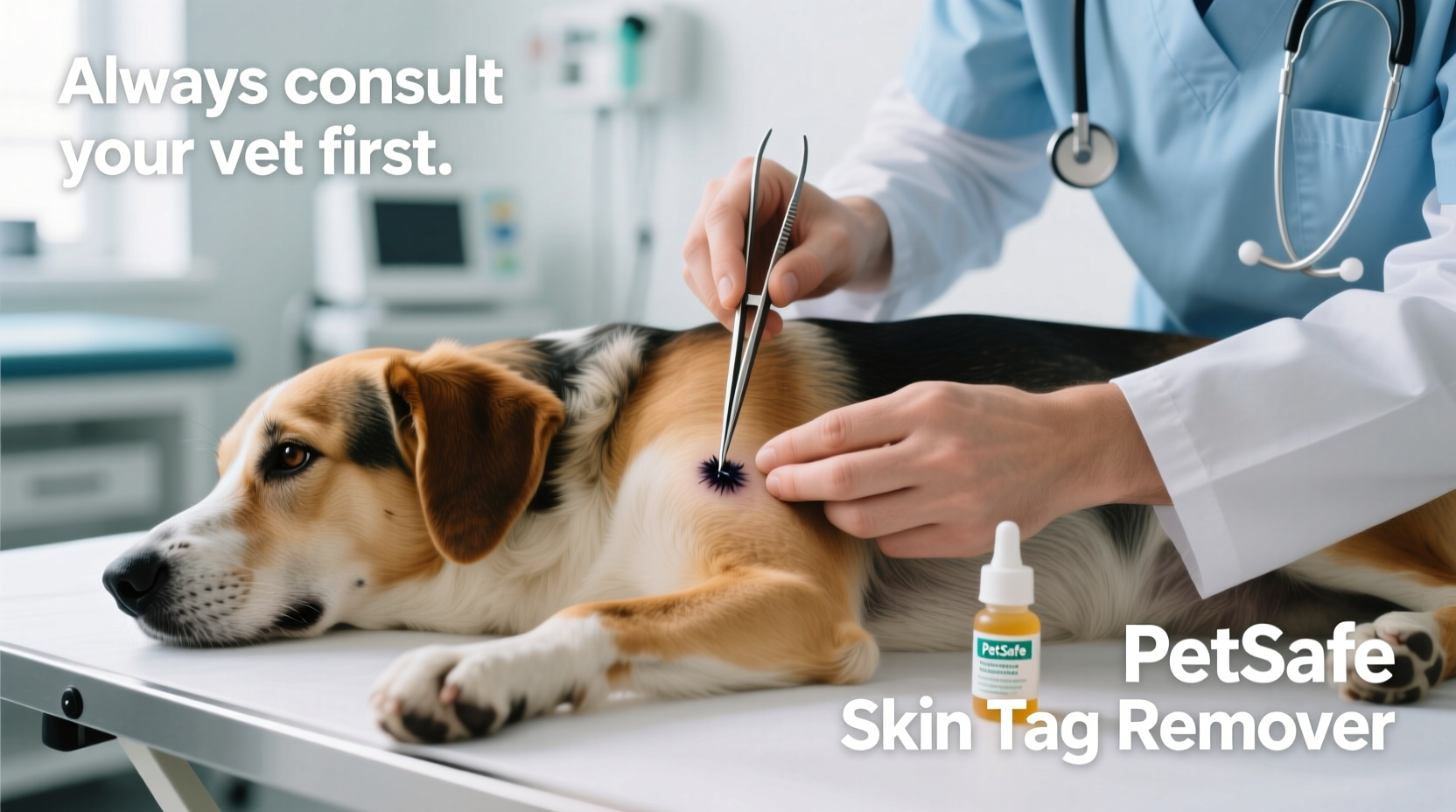
Skin tags, or acrochordons, are soft, flesh-colored growths that hang from the skin by a narrow stalk. They are composed of collagen and blood vessels surrounded by skin cells. Unlike warts (which are caused by viruses) or tumors, skin tags are generally non-cancerous and painless. Certain breeds—including Boxers, Cocker Spaniels, and Poodles—are more prone to developing them, as are older dogs and those with excess weight.
While most skin tags pose no health risk, they can become problematic if located in areas where collars, harnesses, or bedding rub against them. Signs that a skin tag may need attention include bleeding, redness, swelling, or changes in texture or color. Sudden growth or ulceration should always prompt a veterinary visit to rule out malignancy.
“Not every lump on a dog is a skin tag. A proper diagnosis by a vet ensures you’re not mistaking a mast cell tumor or other serious condition for a benign growth.” — Dr. Laura Bennett, DVM, Small Animal Dermatology Specialist
When Home Removal Is Appropriate
Home removal should only be considered for small, clearly defined skin tags that have been confirmed benign by a veterinarian. The tag must be narrow-based, freely movable, and not located near sensitive areas such as the eyes, mouth, or genitals. It should also show no signs of infection, discoloration, or rapid change.
Attempting to remove large, broad-based, or deeply rooted growths at home can lead to excessive bleeding, infection, or incomplete removal. If in doubt, always seek professional evaluation before taking action.
Safe At-Home Methods for Skin Tag Removal
If your vet confirms the growth is a harmless skin tag and suitable for home care, several gentle methods can encourage natural detachment without surgery.
1. Ligation with Dental Floss or Thread
This method cuts off blood supply to the skin tag, causing it to shrink and fall off within 5–10 days.
- Clean the area thoroughly with mild antiseptic.
- Use sterile dental floss or thin cotton thread.
- Tie tightly around the base of the tag, as close to the skin as possible.
- Monitor daily for signs of infection or discomfort.
- The tag will darken and drop off naturally.
2. Apple Cider Vinegar Application
A natural irritant, apple cider vinegar (ACV) can gradually break down skin tag tissue.
- Dip a cotton ball in raw, unfiltered ACV.
- Hold it against the tag for 15 minutes twice daily.
- Protect surrounding skin with petroleum jelly to prevent irritation.
- Continue for up to two weeks; discontinue if redness or swelling occurs.
3. Thuja Occidentalis (Homeopathic Remedy)
Used in holistic veterinary medicine, thuja is believed to support immune response to benign growths.
Administered orally in liquid or pellet form according to package instructions, this remedy may help reduce or eliminate skin tags over several weeks. While scientific evidence is limited, anecdotal success supports its use under guidance.
Do’s and Don’ts of At-Home Skin Tag Management
| Do’s | Don’ts |
|---|---|
| Confirm the growth is a skin tag with a vet | Attempt removal without professional confirmation |
| Use sterilized tools and clean hands | Cut or pull the tag off with scissors or tweezers |
| Monitor for infection after treatment | Apply harsh chemicals like nail polish remover or bleach |
| Keep the area dry and clean post-treatment | Allow your dog to lick or scratch the site excessively |
| Stop treatment if irritation occurs | Ignore changes in size, color, or behavior of the tag |
Step-by-Step Guide: Using the Ligation Method Safely
- Consult Your Veterinarian: Get confirmation that the growth is a benign skin tag and appropriate for ligation.
- Gather Supplies: Sterile gloves, antiseptic wipes, dental floss, and a clean towel.
- Restrain Gently: Wrap your dog in a towel or have an assistant hold them calmly.
- Clean the Area: Wipe around the base of the tag with chlorhexidine solution.
- Apply the Ligature: Tie the floss snugly around the base. Ensure it’s tight enough to block circulation but not so tight it damages surrounding skin.
- Observe Daily: Check for odor, discharge, or signs of pain. The tag should turn black within 3–5 days.
- Wait for Detachment: Do not force removal. Once fallen, clean the site and continue monitoring for healing.
Mini Case Study: Bella, the 9-Year-Old Beagle
Bella developed a small, dangling skin tag on her chest near her collar line. Her owner noticed it occasionally caught on her harness during walks, causing minor bleeding. After a vet visit confirmed it was benign, the owner opted for the ligation method. Using sterile dental floss, she tied the base securely and monitored Bella closely. Within seven days, the tag turned dark and fell off during a walk. The site healed completely within a week with no complications. This case illustrates how careful, informed home care can resolve minor issues safely—but only after professional validation.
When to See a Veterinarian Immediately
Some situations demand urgent veterinary intervention. Seek immediate care if:
- The growth bleeds heavily or doesn’t stop after 10 minutes of pressure.
- The tag becomes red, swollen, warm, or emits pus (signs of infection).
- Your dog shows pain, lethargy, or loss of appetite.
- The tag grows rapidly or changes in appearance.
- You accidentally cut into the tag or surrounding tissue.
Veterinary options include cryotherapy (freezing), electrocautery (burning), or surgical excision—procedures performed under local anesthesia with minimal discomfort and high success rates.
Frequently Asked Questions
Can I cut off my dog’s skin tag with scissors?
No. Cutting a skin tag without anesthesia and sterile conditions risks severe bleeding, infection, and pain. Even small tags may have blood vessels running through them. Always avoid sharp instruments unless under veterinary supervision.
How long does it take for a skin tag to fall off using home methods?
With ligation, expect 5–10 days. Apple cider vinegar may take 10–14 days or longer. Patience is key—rushing the process increases complication risks.
Are skin tags contagious to other dogs or humans?
No. Skin tags are not infectious. They result from friction, genetics, or aging, not viruses or bacteria. You cannot “catch” them from your dog or spread them between pets.
Final Checklist Before Attempting Home Removal
- ✅ Vet has confirmed the growth is a benign skin tag
- ✅ Tag is small, narrow-based, and not in a sensitive area
- ✅ No signs of infection, bleeding, or rapid change
- ✅ You have sterile supplies and a calm environment
- ✅ You’re prepared to monitor daily and seek help if needed
Conclusion
Managing skin tags at home can be safe and effective when done responsibly. The key lies in accurate identification, cautious technique, and vigilant follow-up. Never prioritize convenience over your dog’s well-being. When in doubt, err on the side of caution and consult your veterinarian. With the right knowledge and care, you can maintain your dog’s comfort and health while avoiding unnecessary procedures.




 浙公网安备
33010002000092号
浙公网安备
33010002000092号 浙B2-20120091-4
Comments
No comments yet. Why don't you start the discussion?