
Dogs have an instinctual love for chewing, and bones are often seen as a natural way to satisfy this urge while promoting dental health and mental stimulation. However, not all bones are created equal—some can pose serious risks including tooth fractures, choking, intestinal blockages, or bacterial contamination. Choosing the right bone involves balancing safety, digestibility, and nutritional benefit. With so many options on the market and conflicting advice online, pet owners need clear, science-backed guidance to make informed decisions.
Understanding the Risks of Bones for Dogs
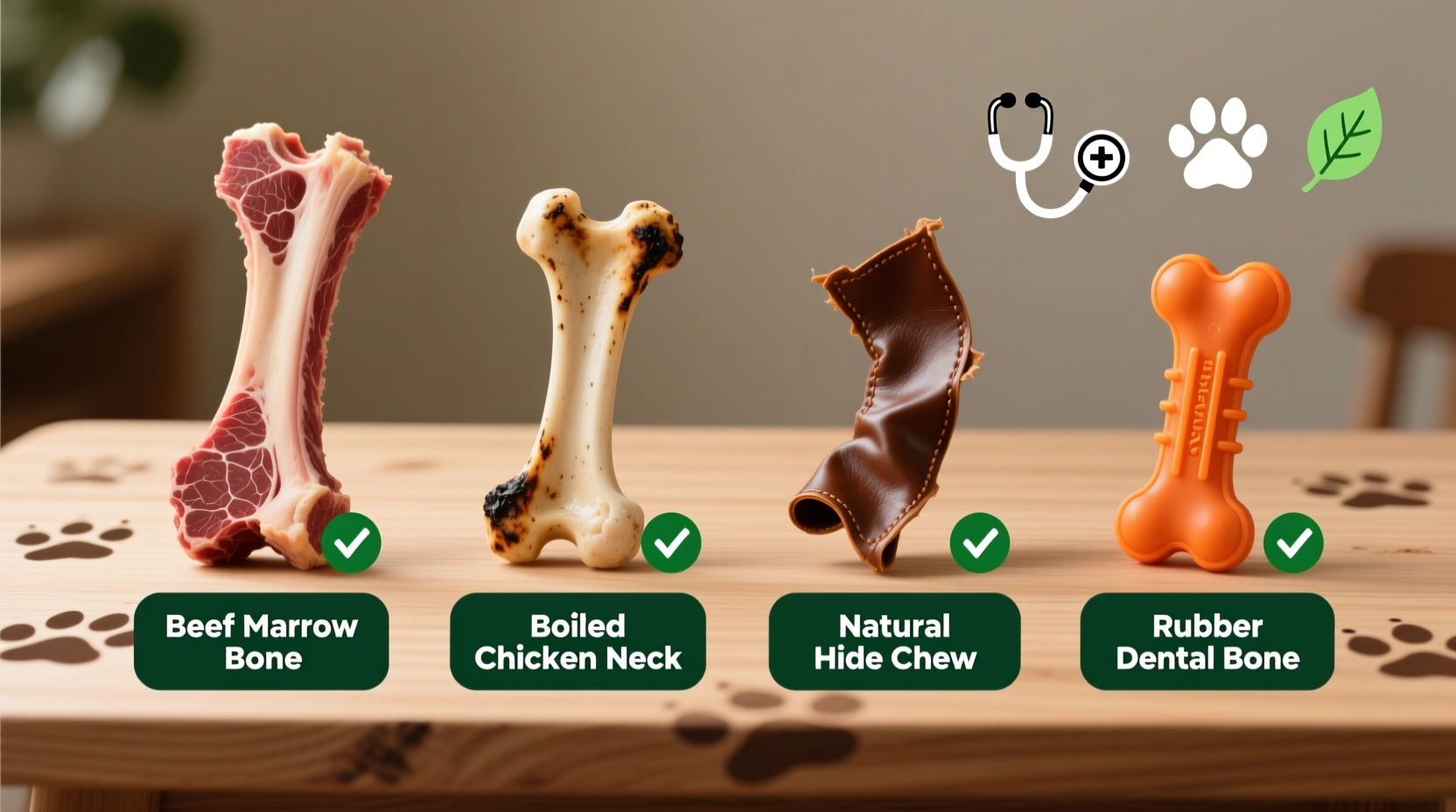
While bones may seem like a natural treat, they come with inherent dangers. Cooked bones, in particular, are brittle and prone to splintering. When a dog chews on a cooked chicken or turkey bone, sharp fragments can break off and cause internal injuries, puncturing the esophagus, stomach, or intestines. The American Veterinary Medical Association (AVMA) explicitly advises against feeding pets any kind of cooked bones due to these hazards.
Raw bones also carry risks if not chosen carefully. Large weight-bearing bones from animals like cows or bison may be too hard for even strong chewers, leading to cracked teeth. Additionally, raw bones can harbor harmful bacteria such as Salmonella or E. coli, which pose risks not only to pets but also to human family members through cross-contamination.
“While chewing is instinctive and beneficial, unregulated bone feeding can lead to preventable emergencies. Always supervise your dog and choose appropriately sized, species-safe options.” — Dr. Karen Becker, DVM, Integrative Veterinarian
Safe Bone Alternatives and Recommended Types
The safest bones for dogs are typically raw, non-weight-bearing, and appropriately sized. These characteristics help ensure that the bone is soft enough to chew without causing dental damage, yet substantial enough to provide long-lasting engagement.
- Raw chicken necks or wings: Suitable for small to medium dogs. They’re pliable and fully digestible when fed raw.
- Raw lamb or goat ribs: Ideal for medium breeds. Less fatty than pork and easier to digest than beef.
- Raw beef marrow bones (uncooked): Best for large, powerful chewers. Choose rounded ends rather than split bones to reduce splintering risk.
- Recreational bones: Larger bones meant for gnawing, not consumption. Should be removed after 1–2 hours of supervised chewing.
Avoid pork bones and rib bones from any animal—they tend to splinter easily, even when raw. Also steer clear of smoked bones, which are often chemically treated and harder than raw alternatives.
Comparison Table: Safe vs. Unsafe Bone Options
| Type of Bone | Safety Level | Best For | Risks |
|---|---|---|---|
| Raw chicken necks | High (if raw) | Small dogs | Bacterial contamination if not handled properly |
| Raw beef knuckle bones | High | Large dogs | Tooth fracture if too hard; high fat content in marrow |
| Cooked turkey bones | Unsafe | None | Splintering, internal injury, choking |
| Pork rib bones (raw or cooked) | Unsafe | None | Extreme splintering risk |
| Smoked ham bones | Unsafe | None | High sodium, preservatives, hardness |
Step-by-Step Guide to Introducing Bones Safely
Introducing bones into your dog’s diet should be done gradually and with careful observation. Follow this timeline to minimize risks:
- Day 1–2: Select the right bone. Choose a raw, appropriately sized bone based on your dog’s weight and chewing behavior.
- Day 3: First supervised session. Allow your dog to chew for 10–15 minutes under direct supervision. Watch for aggressive biting or signs of distress.
- Day 4–7: Monitor digestion. After each session, check your dog’s stool for bone fragments, constipation, or diarrhea.
- Week 2 onward: Establish routine. Limit chewing sessions to 30–60 minutes, 2–3 times per week. Remove the bone afterward to prevent overconsumption.
- Ongoing: Rotate types and clean storage. Alternate between different safe bones and store unused ones frozen to preserve freshness and reduce bacterial growth.
Real Example: Max, the Labrador Retriever
Max, a three-year-old Labrador, had persistent bad breath and mild tartar buildup despite daily kibble. His owner, Sarah, consulted her veterinarian, who suggested introducing recreational raw bones to support dental health. She started with a raw beef knuckle bone, supervising Max’s first 20-minute session. Over the next month, she offered the bone twice weekly. Within six weeks, Max’s breath improved significantly, and his vet noted reduced plaque during his checkup. Sarah now keeps a rotation of frozen raw bones and closely monitors Max’s chewing habits—never leaving him alone with one.
Checklist: Before Giving Your Dog a Bone
- ☑ Confirm the bone is raw and never cooked
- ☑ Ensure it’s larger than your dog’s mouth to prevent swallowing whole
- ☑ Avoid bones that are too hard (e.g., femur ends)
- ☑ Wash hands and surfaces after handling raw bones
- ☑ Limit chewing time to under 60 minutes per session
- ☑ Discard the bone after 48 hours, even if partially uneaten
- ☑ Monitor your dog’s stool for changes in consistency or color
Frequently Asked Questions
Can puppies have bones?
Yes, but only under strict supervision and with softer options like raw chicken necks or specially designed puppy chew bones. Avoid large or hard bones until their adult teeth are fully developed, usually around 7–8 months of age.
How often should I give my dog a bone?
Two to three times per week is sufficient for most dogs. Daily bone feeding increases the risk of constipation, excessive fat intake (from marrow), or dental wear. Treat bones as occasional supplements, not meal replacements.
Are synthetic bones a good alternative?
Some high-quality synthetic bones made from food-grade nylon or rubber can be excellent alternatives. Look for products approved by the Veterinary Oral Health Council (VOHC) for plaque control. While they don’t offer nutritional value, they are safer for aggressive chewers and eliminate bacterial risks associated with raw bones.
Conclusion: Making Informed, Responsible Choices
Selecting the best bones for your dog isn’t just about satisfying their urge to chew—it’s about doing so safely and responsibly. Raw, appropriately sized bones can enhance dental hygiene, reduce boredom, and support mental well-being. But without proper selection, handling, and supervision, they can quickly become a health hazard. By following evidence-based guidelines, consulting your veterinarian, and staying alert to your dog’s individual needs, you can provide a rewarding chewing experience that supports long-term health.




 浙公网安备
33010002000092号
浙公网安备
33010002000092号 浙B2-20120091-4
Comments
No comments yet. Why don't you start the discussion?