
Sudden beeping from a device that refuses to open can be alarming. Whether it's a security system, microwave, car alarm, or electronic lock, the combination of sound without action often triggers confusion. Yet, in many cases, the beeping is a designed safety feature—not a malfunction. Understanding why this happens, how to interpret the signals, and what steps to take next turns anxiety into informed action. This guide breaks down common causes, diagnostic methods, and resolution strategies for devices that beep safely but won’t open.
Understanding Safe Beeping: What It Means
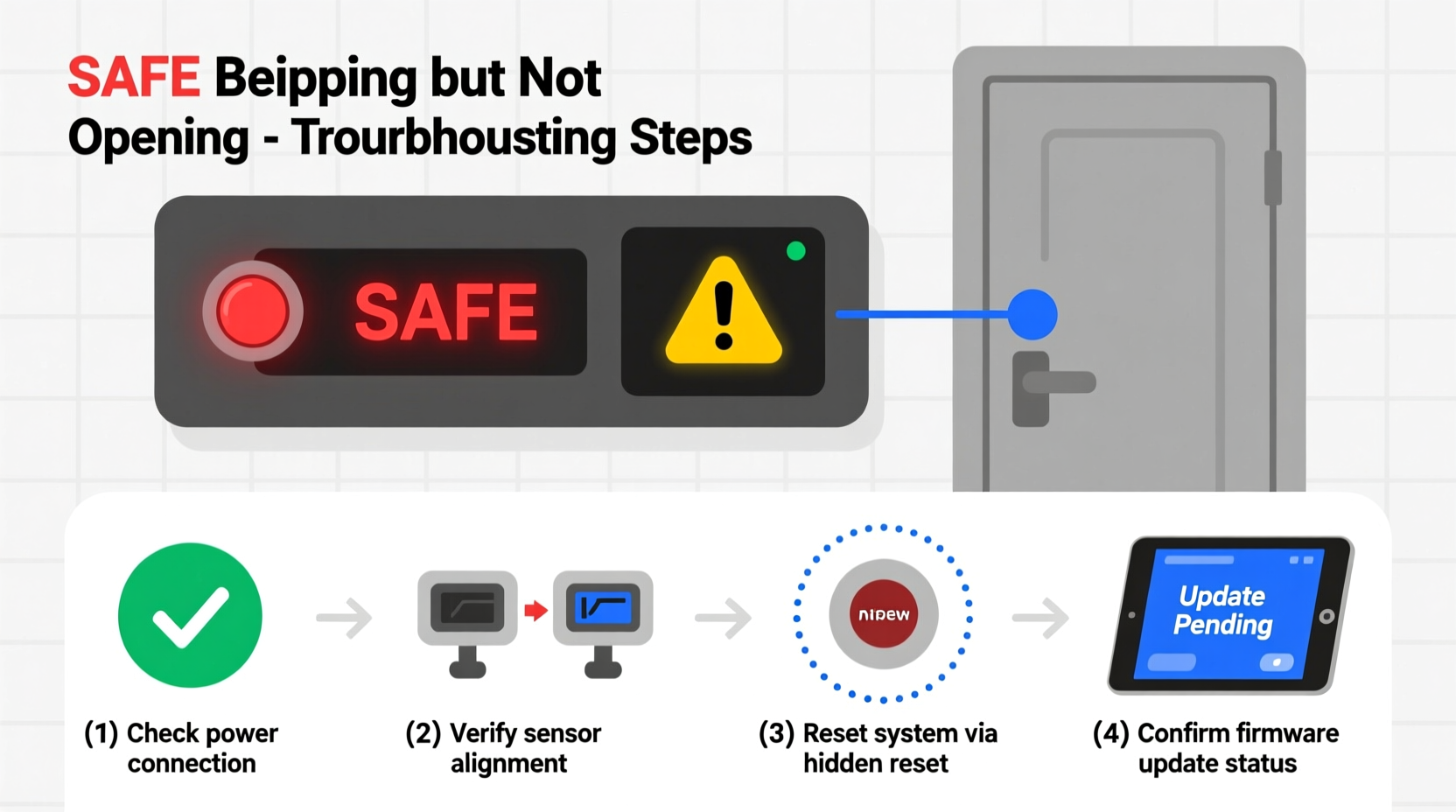
“Safe beeping” refers to an intentional auditory signal indicating a non-critical alert. Unlike emergency alarms, these beeps are typically short, rhythmic, and consistent. They serve as communication tools between the device and user. For example, a microwave may beep five times when the door fails to latch properly, preventing operation while signaling the issue audibly.
The absence of physical response—such as a door unlocking or lid releasing—is by design. Safety protocols in modern electronics often prioritize containment over convenience. A smart safe might refuse to open after multiple incorrect code attempts, using beeps to confirm input without granting access. Similarly, refrigerated medical storage units may emit periodic tones if internal temperatures rise slightly, yet remain locked to preserve sample integrity.
“Beeping without opening is often the system working exactly as intended—preventing unsafe access while notifying the operator.” — Dr. Alan Reyes, Embedded Systems Engineer
Common Causes of Beeping Without Opening
Not all beeping indicates danger. In fact, most instances fall under predictable categories rooted in design logic, environmental factors, or user behavior. Recognizing these patterns reduces unnecessary service calls and promotes self-resolution.
- User authentication failure: Incorrect PINs, failed biometrics, or expired access cards trigger warning beeps.
- Environmental thresholds exceeded: Smoke detectors beep when batteries weaken; freezers signal temperature fluctuations.
- Mechanical obstruction: Door sensors detect physical blockage (e.g., ice buildup, debris), halting motorized release mechanisms.
- Software lockout: After repeated failed attempts, systems enter cooldown mode with audible feedback.
- Power anomalies: Voltage drops or battery depletion cause intermittent beeping without full operational capability.
Step-by-Step Diagnostic Process
When faced with a beeping device that won’t open, follow this structured approach to isolate the root cause efficiently.
- Observe beep pattern: Note frequency, duration, and repetition. Three short beeps followed by silence may mean low power; continuous chirping could indicate sensor fault.
- Check power source: Test battery levels or verify outlet connection. Swap in known-good batteries where applicable.
- Inspect for obstructions: Examine seams, hinges, and locking mechanisms for visible barriers like dust, ice, or misaligned components.
- Verify credentials: Re-enter codes slowly, clean fingerprint scanners, or replace access fobs if outdated.
- Review recent changes: Consider environmental shifts (humidity, temperature) or software updates preceding the issue.
- Consult manual or label: Locate model-specific beep codes on the device or manufacturer website.
- Wait out lockout periods: Some systems enforce timed delays after three failed entries—do not attempt repeated inputs.
Mini Case Study: Office Safe Malfunction
A financial manager at a mid-sized firm encountered a digital safe emitting two quick beeps every 10 seconds but refusing to unlock despite correct code entry. Initial panic gave way to methodical assessment. First, she confirmed fresh batteries had been installed two weeks prior. Next, she noticed condensation inside the keypad cover—a result of HVAC cycling during seasonal transition. After drying the panel with a lint-free cloth and waiting 15 minutes, the third attempt succeeded. The beeping ceased. Post-event analysis revealed moisture-induced conductivity issues mimicking false keypresses, triggering a soft lock. Installing a silica gel pack nearby prevented recurrence.
Do’s and Don’ts: Best Practices Table
| Do’s | Don’ts |
|---|---|
| Refer to the manufacturer’s error code chart | Disassemble the device while powered |
| Replace batteries with specified type and rating | Use liquid cleaners near electronic panels |
| Allow cooldown periods after failed access | Ignore persistent beeping over 24 hours |
| Document beep sequences and timing | Jam objects into slots or seams to force open |
| Contact support with model and serial number | Bypass safety interlocks without professional guidance |
Preventive Maintenance Checklist
Regular upkeep significantly reduces incidents of unexplained beeping and access denial. Integrate these actions into your routine:
- ✅ Replace batteries every 6–12 months, even if not depleted
- ✅ Clean control panels monthly with dry microfiber cloth
- ✅ Verify alignment of magnetic or mechanical latches quarterly
- ✅ Update firmware annually or per manufacturer advisories
- ✅ Store devices away from extreme heat, cold, or humidity
- ✅ Test emergency override procedures semi-annually
- ✅ Keep user manuals and warranty info in accessible digital format
Frequently Asked Questions
Why does my device beep but not respond when I press buttons?
This usually indicates a temporary lockout due to multiple incorrect inputs or a system freeze. Wait 1–5 minutes before retrying. If unresponsive, perform a soft reset via battery removal (if safe to do so).
Is continuous beeping a fire hazard?
In most consumer electronics, no. Continuous beeping typically reflects low power or sensor alerts, not electrical faults. However, if accompanied by burning smells, discoloration, or smoke, disconnect power immediately and consult a technician.
Can I disable the beeping without fixing the issue?
Temporarily silencing alerts is possible on some models (e.g., smoke detectors with hush buttons), but doing so risks missing critical warnings. Address the underlying cause instead of suppressing symptoms.
Expert Insight: Design Philosophy Behind Audible Feedback
Modern devices rely heavily on audio cues because they transcend language and visibility barriers. Engineers embed layered feedback systems to ensure users receive status updates even when screens fail or interfaces are obscured.
“The beeping serves as a heartbeat—proof the system is alive and communicating. When the door doesn’t open, it’s not broken; it’s protecting its purpose.” — Lena Patel, UX Designer at SecureTech Labs
This principle applies across domains: medical cabinets safeguard controlled substances, industrial ovens prevent exposure to hot interiors, and home safes deter tampering. The beep affirms functionality; the lack of opening enforces policy.
Conclusion: Turning Alerts Into Action
Safe beeping without opening is rarely a crisis—it’s a conversation. Devices speak through sound, and understanding their language empowers smarter responses. Instead of reacting with frustration or fear, apply systematic checks, respect built-in safeguards, and maintain equipment proactively. Most issues resolve with patience and basic troubleshooting. When in doubt, refer to documentation or reach out to qualified support.




 浙公网安备
33010002000092号
浙公网安备
33010002000092号 浙B2-20120091-4
Comments
No comments yet. Why don't you start the discussion?