
Tooth sensitivity affects millions of people worldwide, turning everyday pleasures like a cold drink or hot coffee into sharp, wincing experiences. When discomfort strikes with temperature changes, pressure, or even breathing in cold air, many turn to desensitizing toothpastes as a first line of defense. Two of the most prominent names on pharmacy shelves are Sensodyne and Colgate Sensitive. But when it comes to actual effectiveness, which one delivers better relief? This article dives deep into the science, ingredients, user experiences, and clinical evidence behind both brands to help you make an informed decision.
Understanding Tooth Sensitivity
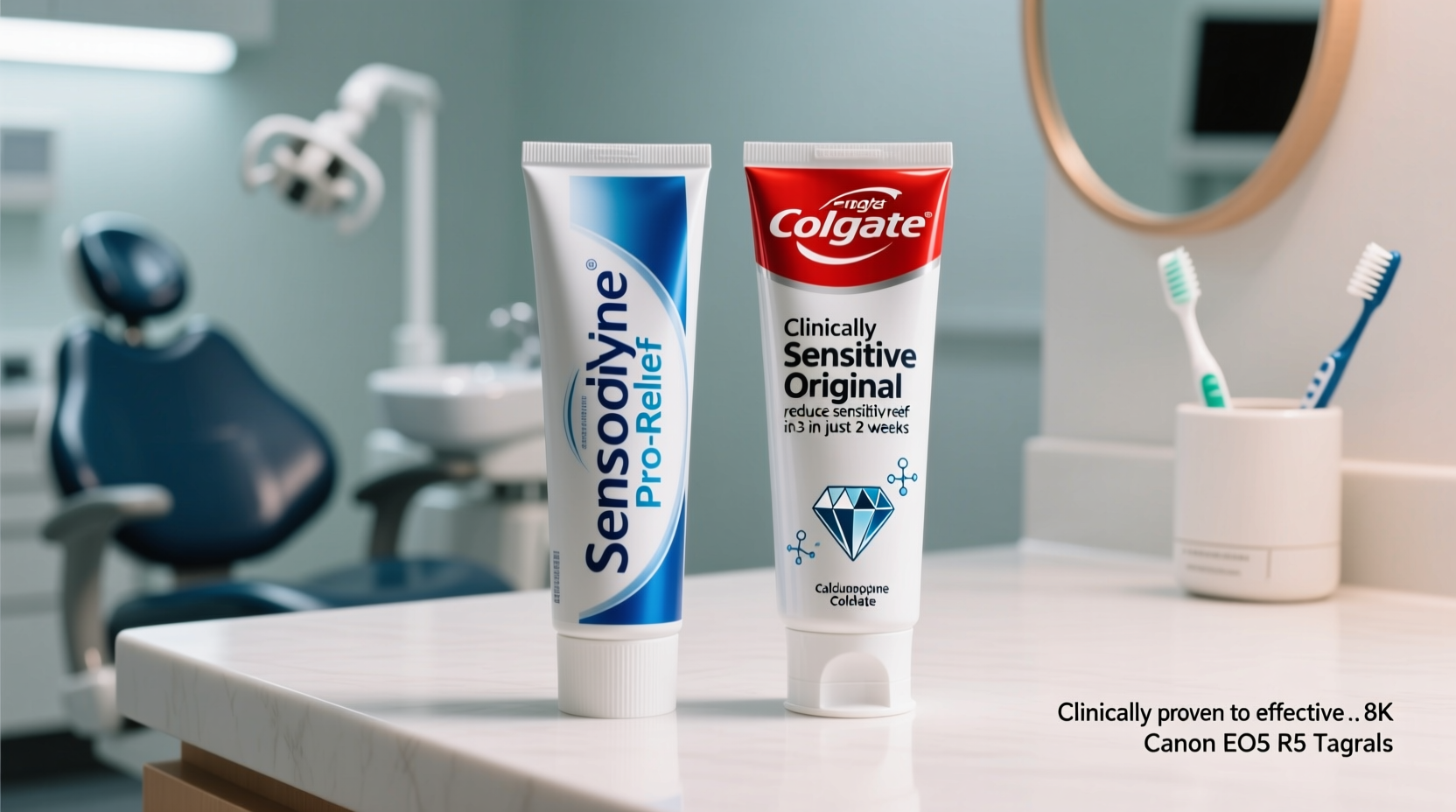
Tooth sensitivity occurs when the protective layers of enamel or cementum wear down, exposing the underlying dentin. Dentin contains tiny tubules that lead directly to the nerve of the tooth. When stimuli such as heat, cold, acidity, or physical pressure reach these tubules, they trigger sharp, temporary pain.
Common causes include:
- Enamel erosion from acidic foods and drinks
- Gum recession due to periodontal disease or aggressive brushing
- Tooth grinding (bruxism)
- Recent dental procedures like whitening or cleanings
- Cavities or cracked teeth
Desensitizing toothpastes aim to block these pathways or soothe the nerve response. But not all formulas work the same way — and this is where the differences between Sensodyne and Colgate Sensitive become critical.
How Desensitizing Toothpastes Work: The Science Behind Relief
There are two primary mechanisms used by sensitivity toothpastes: occlusion and nerve desensitization.
Occlusion involves physically sealing the dentinal tubules to prevent stimuli from reaching the nerve. Ingredients like stannous fluoride, arginine, or calcium sodium phosphosilicate form a barrier over exposed areas.
Nerve desensitization uses potassium salts (like potassium nitrate) to calm the nerve endings inside the tooth, reducing their ability to transmit pain signals.
Most effective products combine both approaches, but the concentration and delivery system vary significantly between brands.
“Patients often expect immediate results, but desensitizing toothpastes require consistent use over 2–4 weeks for full effect.” — Dr. Lisa Chen, Clinical Dentist and Oral Health Researcher
Sensodyne: Formulation, Variants, and Efficacy
Sensodyne, developed by Haleon (formerly GSK), is the market leader in sensitivity toothpaste. It has been clinically studied for decades and offers multiple variants tailored to different needs.
Key active ingredients across Sensodyne lines include:
- Potassium nitrate – reduces nerve excitability
- Stannous fluoride – provides antibacterial action and tubule occlusion
- Novamin (calcium sodium phosphosilicate) – promotes remineralization and forms a protective layer
Popular variants include:
- Sensodyne Rapid Relief – claims relief in as little as 60 seconds with strontium acetate
- Sensodyne Repair & Protect – uses NovaMin to rebuild a protective layer over time
- Sensodyne Complete Protection – combines sensitivity relief with cavity protection and fresh breath
Clinical studies show that regular use of Sensodyne can reduce sensitivity by up to 50% within two weeks and up to 70% after four weeks. Its reputation is backed by over 30 years of research and endorsement by dental associations worldwide.
Colgate Sensitive: Formula Options and Performance
Colgate’s entry into the sensitivity market includes several variants under the Colgate Sensitive Pro-Relief line. Like Sensodyne, it targets dentinal tubule exposure but uses a slightly different approach.
The standout ingredient in Colgate Sensitive Pro-Relief is arginine + calcium carbonate. This combination seals open tubules quickly by creating a plug that mimics natural mineral deposits. Unlike potassium-based formulas, arginine works immediately upon contact, making it appealing for fast relief.
Other versions, like Colgate Sensitive Whitening, use potassium nitrate and offer mild whitening agents — though these may irritate some users with high sensitivity.
A 2013 multi-center study published in the *Journal of Clinical Dentistry* found that Colgate Sensitive Pro-Relief provided significant reduction in sensitivity after just one use, with continued improvement over two weeks. However, long-term data is less extensive compared to Sensodyne.
Direct Comparison: Sensodyne vs Colgate Sensitive
| Feature | Sensodyne | Colgate Sensitive |
|---|---|---|
| Primary Active Ingredient | Potassium nitrate, stannous fluoride, or NovaMin | Arginine + calcium carbonate or potassium nitrate |
| Mechanism | Nerve calming + tubule occlusion | Immediate tubule sealing |
| Time to Relief | 2–4 weeks (some claim faster) | Immediate with Pro-Relief; 1–2 weeks for others |
| Clinical Backing | Extensive, long-term studies | Strong short-term data, fewer long-term trials |
| Flavor Variety | Wide range (mint, fresh, gum care, etc.) | Limited options |
| ADA Acceptance | Yes, across most variants | Yes, select products |
| Whitening Options | Yes (e.g., Sensodyne Whitening) | Yes (Sensitivity + Whitening) |
Mini Case Study: Real-World Experience
Sarah, a 38-year-old teacher from Portland, began experiencing severe sensitivity after switching to a charcoal-based whitening toothpaste. Cold water caused sharp pain, and she avoided ice cream entirely. Her dentist recommended trying Sensodyne Repair & Protect due to her gum recession. After two weeks of twice-daily use and applying it directly to sensitive molars at night, she reported a 70% reduction in pain. She later switched to Colgate Sensitive Pro-Relief during a sale and noticed faster initial relief but found the flavor unpleasant and experienced slight irritation after a month. She returned to Sensodyne and has remained pain-free for six months with consistent use.
This case reflects a common trend: Sensodyne excels in long-term management, while Colgate Pro-Relief offers strong immediate results but may lack comfort or durability for some users.
Which One Works Better? A Practical Guide
The answer depends on your specific condition and goals:
- If you need **immediate relief** and have localized exposure (e.g., after a cleaning), Colgate Sensitive Pro-Relief with arginine may be more effective right away.
- If you suffer from **chronic sensitivity**, especially with gum recession or enamel wear, Sensodyne’s sustained-action formulas (especially those with stannous fluoride or NovaMin) tend to provide more reliable long-term results.
- If you also want **gum health support**, Sensodyne offers variants with antibacterial properties that reduce gingivitis risk.
- If **taste and texture** matter, Sensodyne generally receives higher marks for flavor and foam consistency.
Step-by-Step Guide to Choosing and Using Sensitivity Toothpaste
- Assess your symptoms: Is sensitivity triggered by cold, heat, sweets, or pressure?
- Check for underlying issues: See a dentist to rule out cavities, cracks, or gum disease.
- Select a toothpaste based on mechanism: Choose arginine for fast seal, potassium for nerve calming, or stannous fluoride for dual protection.
- Use correctly: Brush gently with a soft-bristled brush. Don’t rinse immediately—swish minimally to leave active ingredients on teeth.
- Be patient: Allow 2–4 weeks for full effect. Re-evaluate if no improvement occurs.
- Combine with other care: Use a mouthguard if you grind, avoid acidic drinks, and consider a prescription fluoride gel if recommended.
FAQ
Can I switch between Sensodyne and Colgate Sensitive?
Yes, but not interchangeably day-to-day. Each formula works differently and requires consistent use. Switch only after giving one product 4 weeks of regular use without results.
Is it safe to use sensitivity toothpaste every day?
Yes. Both Sensodyne and Colgate Sensitive are designed for daily, long-term use. Some formulations (especially stannous fluoride) may cause minor staining with prolonged use, but this is typically removable with professional cleaning.
Why isn’t my sensitivity toothpaste working?
Several reasons could explain this: incorrect usage, insufficient time allowed for results, undiagnosed dental issues (like decay or abscess), or overly abrasive brushing habits. Consult your dentist if no improvement occurs after a month.
Final Verdict and Recommendation
When comparing Sensodyne vs Colgate Sensitive, the evidence points to Sensodyne as the overall leader in long-term, comprehensive sensitivity management. Its broader range of scientifically backed formulas, stronger clinical validation, and superior user satisfaction make it the top choice for most individuals with recurring or chronic sensitivity.
However, Colgate Sensitive Pro-Relief holds its ground with rapid occlusion technology, offering tangible relief from the first application—ideal for acute post-procedure sensitivity or occasional flare-ups.
The best approach? Start with Sensodyne for ongoing care, and keep Colgate Pro-Relief on hand for sudden spikes in discomfort. Pair either with proper oral hygiene, regular dental checkups, and mindful dietary habits to truly protect your smile.




 浙公网安备
33010002000092号
浙公网安备
33010002000092号 浙B2-20120091-4
Comments
No comments yet. Why don't you start the discussion?