
Friendships are meant to be sources of support, joy, and mutual respect. But when a friend consistently crosses lines—undermining your confidence, demanding constant attention, or manipulating situations—it’s time to reevaluate the relationship. Setting boundaries isn’t about punishment; it’s about self-respect and emotional sustainability. The hardest part for many people isn’t recognizing the need for a boundary, but expressing it clearly and calmly without feeling guilty. This guide provides practical scripts, strategies, and insights to help you communicate your limits effectively—while preserving your peace.
Why Boundaries Matter in Friendships
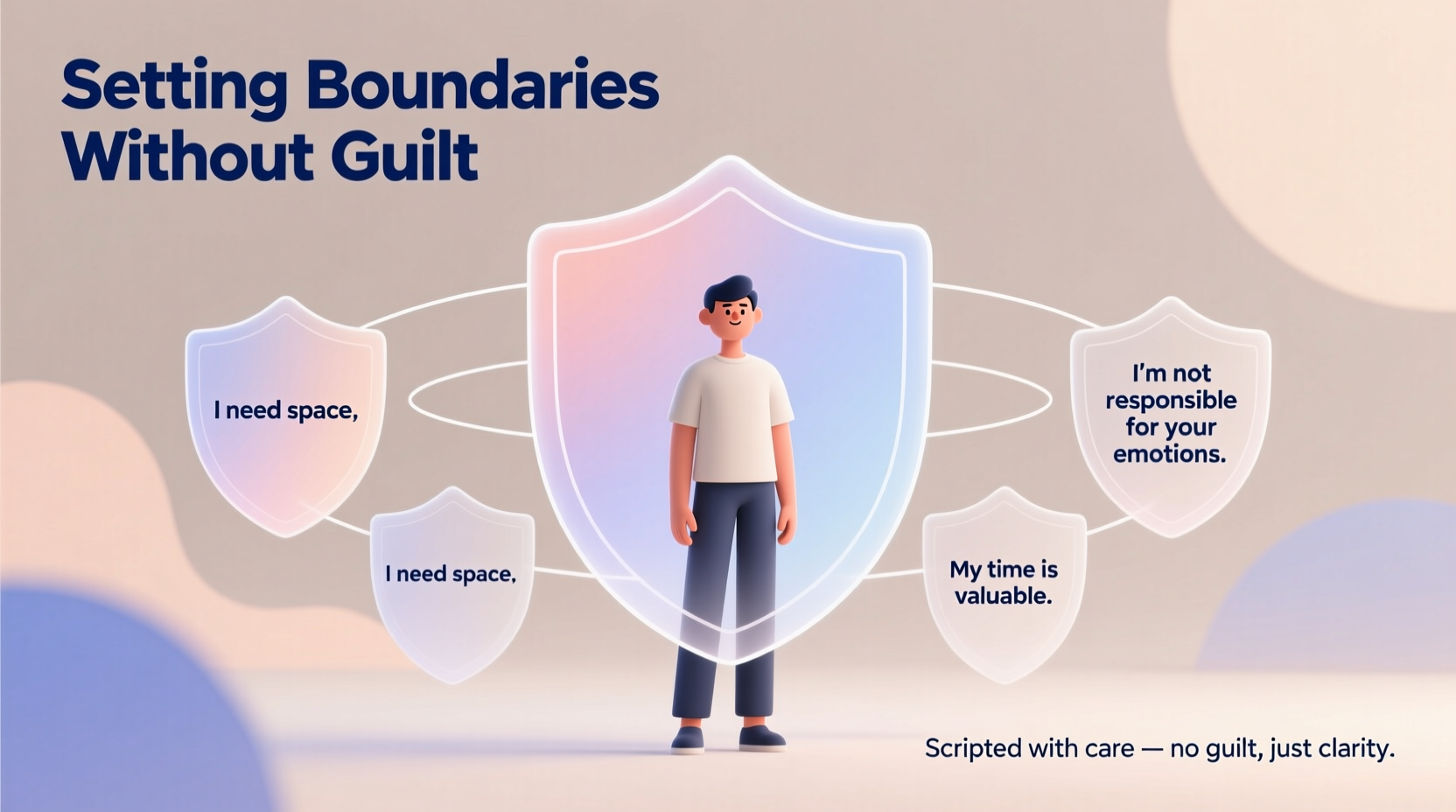
Boundaries define what is acceptable and what isn’t in a relationship. They protect your mental health, time, and energy. In friendships, healthy boundaries prevent resentment, burnout, and emotional exhaustion. Yet, many people hesitate to set them, especially with long-term friends, fearing conflict, abandonment, or being labeled “difficult.”
Toxic behaviors can be subtle: chronic negativity, one-sided conversations, passive-aggressive comments, or guilt-tripping. Over time, these erode self-worth. As Dr. Nedra Glover Tawwab, therapist and author of *Set Boundaries, Find Peace*, explains:
“Boundaries are not barriers. They’re guidelines that help relationships thrive. When we don’t set them, we teach others how little we value ourselves.” — Dr. Nedra Glover Tawwab
The goal isn’t to end every friendship that feels draining. Sometimes, a clear, compassionate conversation can shift the dynamic. Other times, distance becomes necessary. Either way, you have the right to protect your well-being.
Recognizing Toxic Friendship Patterns
Before setting a boundary, confirm that the behavior is truly problematic—not just an isolated incident. Toxic patterns are repetitive and damaging. Here are common signs:
- One-way support: You’re always listening, helping, or comforting, but they disappear when you need support.
- Emotional manipulation: Using guilt, shame, or threats (“If you really cared, you’d do this”) to control your actions.
- Constant criticism: Backhanded compliments or unsolicited advice that undermines your choices.
- Boundary violations: Showing up uninvited, borrowing things without asking, or sharing your private information.
- Drama dependency: Creating or escalating conflicts, then expecting you to fix them.
How to Prepare Before Setting a Boundary
Effective boundary-setting starts with clarity and calm. Reacting in anger often leads to regret or escalation. Instead, follow this preparation process:
- Identify the specific behavior: Be precise. Instead of “You’re always negative,” say “When you criticize my parenting during our calls, I feel attacked.”
- Clarify your limit: Decide what change you need. Example: “I can’t continue late-night calls when I’m tired.”
- Anticipate reactions: Some friends may deflect (“You’re too sensitive”), deny, or retaliate. Stay grounded in your truth.
- Choose the right time and place: Have the conversation privately, without distractions. Avoid texting for complex issues.
- Practice your script: Rehearse aloud to build confidence and reduce anxiety.
Remember: You’re not responsible for their reaction. You are responsible for communicating your needs with honesty and kindness.
Scripts for Setting Boundaries (Without Guilt)
Here are real, adaptable scripts for common toxic behaviors. Use them as templates—personalize tone and details to match your voice.
1. For Constant Negative Energy
Scenario: A friend repeatedly vents without seeking solutions, leaving you emotionally drained.
“I care about you and want to support you, but I’ve noticed our conversations often focus on problems without resolution. I need to protect my mental energy, so I can’t be available for long rants every day. Let’s keep in touch, but I may not respond deeply to heavy topics. If you’re looking for professional help, I’m happy to support that too.”
2. For Boundary Violations (Showing Up Unannounced)
Scenario: A friend drops by unexpectedly, even after you’ve asked them not to.
“I value our friendship, but I need more predictability in my schedule. When you come over without calling, it disrupts my plans and makes me uncomfortable. From now on, please text first. If I’m free, I’ll welcome you. If not, I hope you understand.”
3. For One-Sided Conversations
Scenario: Every interaction revolves around their life; they rarely ask about yours.
“I’ve noticed our talks usually center on your experiences, and I rarely get a chance to share mine. I’d love a more balanced friendship where we both listen and engage. If I bring something up, could you try to stay curious and ask follow-up questions?”
4. For Guilt-Tripping or Manipulation
Scenario: A friend says, “I guess you don’t care about me anymore” when you decline plans.
“I understand you’re disappointed, but I won’t respond to guilt. I said no because I needed rest, not because I don’t care. I’d prefer we communicate respectfully, even when plans change. Let’s talk when we can both be kind.”
5. For Borrowing Money or Items Without Returning
Scenario: A friend frequently borrows money or belongings and never repays.
“I’ve lent you [item/money] several times, and it hasn’t been returned. That’s made it hard for me to trust lending in the future. I can’t continue this pattern. If you need support, let’s talk about other ways I might help—without loans.”
6. For Gossip or Disrespect Behind Your Back
Scenario: You find out they’ve shared private information or mocked you to others.
“I was hurt to learn you discussed my personal situation with others. That wasn’t okay with me. I expect confidentiality in our friendship. If there’s an issue between us, I’d prefer you talk to me directly.”
What to Do When They React Poorly
Even with empathy, some people resist boundaries. Common reactions include denial, anger, or victimization. How you respond matters:
| Reaction | What It Means | How to Respond |
|---|---|---|
| “You’re too sensitive.” | Deflection to avoid accountability. | “I understand you see it differently, but my feelings are real. This is important to me.” |
| “After all I’ve done for you…” | Guilt-tripping to regain control. | “I appreciate past support, but that doesn’t mean I forfeit my needs now.” |
| Silent treatment or withdrawal | Punishment for asserting yourself. | Maintain your boundary. “I’m here if you want to talk respectfully.” |
| Promises to change, then repeats behavior | Lack of genuine commitment. | Enforce consequences: “Since this keeps happening, I’ll be reducing contact.” |
If the person refuses to respect your boundary, consider limiting contact or ending the friendship. You don’t owe anyone access to your life if they disregard your dignity.
Mini Case Study: Rebuilding Self-Worth After Years of Emotional Drain
Sophie, 34, had been friends with Maya since college. Over the years, Maya became increasingly critical—mocking Sophie’s career choices, canceling plans last-minute, then demanding immediate attention when she wanted company. Sophie felt obligated to stay loyal, despite feeling anxious before every interaction.
After therapy, Sophie decided to set a boundary. She said: “Maya, I’ve valued our history, but I can’t continue a friendship where I feel judged and used. I won’t answer texts at midnight or tolerate comments about my job. If you want to rebuild trust, I’m open to shorter, kinder check-ins.”
Maya responded with anger and accused Sophie of “changing.” Sophie held firm. Over time, Maya reached out less. Sophie felt initial sadness but soon experienced relief and renewed energy. She later said, “I didn’t lose a friend. I lost a source of stress. Now I have space for healthier connections.”
Checklist: Steps to Set a Boundary Confidently
Use this checklist before and after your conversation:
- ✅ Identify the specific behavior affecting you.
- ✅ Clarify the boundary you need (clear and realistic).
- ✅ Write a script using “I” statements.
- ✅ Choose a calm time to talk (in person or phone call preferred).
- ✅ Practice saying it aloud.
- ✅ Deliver the message with calm firmness.
- ✅ Allow space for their response—without defending or over-explaining.
- ✅ Enforce the boundary consistently, even if they test it.
- ✅ Reflect afterward: How do you feel? Adjust if needed.
- ✅ Prioritize self-care—this takes courage.
Frequently Asked Questions
Isn’t setting a boundary selfish?
No. Boundaries are self-respect in action. Just as you wouldn’t let someone take your phone or enter your home uninvited, you shouldn’t allow emotional trespassing. Healthy relationships thrive on mutual respect, not self-sacrifice.
What if they end the friendship over a boundary?
That reveals the friendship wasn’t balanced to begin with. If someone leaves because you asked for basic respect, they were likely benefiting from your compliance. Losing such a connection creates room for more authentic relationships.
Can I set a boundary via text?
For low-stakes issues (e.g., “Please don’t call after 9 PM”), yes. For deeper issues, voice or in-person is better to reduce misinterpretation. If safety is a concern, written communication provides documentation.
Conclusion: Your Peace Is Non-Negotiable
Setting boundaries with toxic friends isn’t easy, but it’s essential for long-term well-being. Guilt often stems from conditioning—messages that we must be endlessly giving, agreeable, or loyal no matter the cost. But true friendship shouldn’t require you to diminish yourself.
Use these scripts as starting points. Adapt them. Speak your truth. And remember: every time you honor your limits, you reinforce self-worth. Some relationships will evolve. Others will fade. Both outcomes serve your growth.




 浙公网安备
33010002000092号
浙公网安备
33010002000092号 浙B2-20120091-4
Comments
No comments yet. Why don't you start the discussion?