
Facial steaming and exfoliation are two of the most widely practiced at-home skincare rituals. Both aim to improve skin texture, unclog pores, and enhance product absorption. Yet, when combined, a critical question arises: should you exfoliate before or after steaming your face? The answer isn't just about preference—it's rooted in dermatological science and how each step influences the skin’s barrier function, pore dynamics, and overall efficacy.
Getting the order wrong can lead to irritation, over-exfoliation, or diminished results. Done correctly, however, this duo can elevate your skincare routine into a professional-grade treatment. Understanding the physiological effects of steam and the mechanics of exfoliation is essential to maximizing benefits while minimizing risk.
The Science Behind Facial Steaming
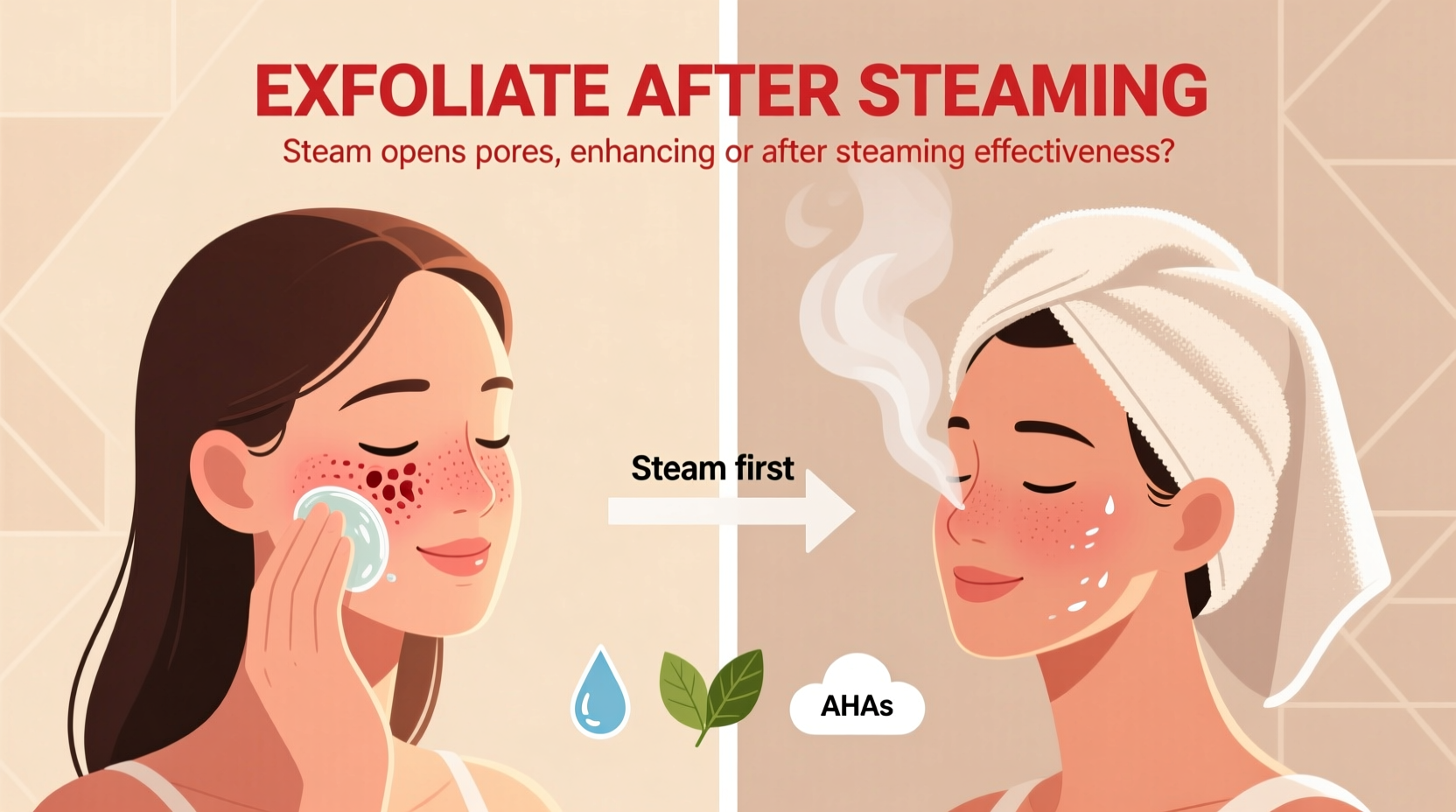
Facial steaming involves exposing the skin to warm, moist air, typically from a bowl of hot water or a facial steamer device. This process causes vasodilation—widening of blood vessels—which increases circulation and delivers more oxygen and nutrients to the skin. More importantly, heat and moisture soften the stratum corneum, the outermost layer of dead skin cells, and loosen sebum trapped within pores.
Steam also hydrates the skin temporarily, making it more pliable and receptive to treatments. According to Dr. Lindsey Zubritsky, a board-certified dermatologist based in Pittsburgh, “Steam opens up the follicular orifices by softening keratin and sebum, which makes extractions and penetration of active ingredients significantly more effective.”
However, steaming alone does not remove debris. It prepares the skin for deeper cleansing but requires a follow-up step—like exfoliation or manual extraction—to achieve visible results.
How Exfoliation Works on Skin
Exfoliation removes dead skin cells from the surface through either physical abrasion (scrubs, brushes) or chemical action (AHAs, BHAs, enzymes). Chemical exfoliants like glycolic acid (an AHA) work on the surface to dissolve cellular glue, while salicylic acid (a BHA) penetrates oil-filled pores to clear congestion.
The goal is to accelerate natural desquamation—the skin’s shedding process—which slows with age and environmental exposure. Regular exfoliation improves tone, reduces clogged pores, and enhances the performance of serums and moisturizers.
But timing matters. Exfoliating compromised or overly softened skin can lead to microtears, inflammation, or impaired barrier function. That’s why understanding the interaction between steam and exfoliation is crucial.
“Exfoliating after steaming allows actives to penetrate deeper and work more efficiently, especially in oily or acne-prone skin.” — Dr. Nina Madnani, Cosmetic Dermatologist, New York
The Optimal Order: Exfoliate After Steaming
The consensus among skincare professionals is clear: exfoliate after steaming. Here’s why:
When skin is exposed to steam, pores dilate and the lipid matrix binding dead cells becomes looser. This creates an ideal environment for exfoliants to penetrate deeply and dislodge buildup without aggressive scrubbing. Physical scrubs glide more smoothly, reducing friction-related damage. Chemical exfoliants absorb more evenly, increasing their efficacy.
In contrast, exfoliating before steaming may strip away protective oils and leave sensitized skin vulnerable to heat-induced redness or dehydration. Steam can further disrupt an already compromised barrier, leading to transepidermal water loss and irritation—especially in individuals with rosacea or sensitive skin types.
Step-by-Step Guide: How to Combine Steaming and Exfoliation Safely
- Cleanse First: Begin with a gentle cleanser to remove surface dirt, makeup, and oil. This ensures steam works directly on the skin, not on residue.
- Steam for 5–8 Minutes: Use a facial steamer or a bowl of hot water with a towel tent. Keep your face at least 10 inches from the water to avoid burns.
- Pat Dry Gently: Use a soft towel to blot moisture. Do not rub, as post-steam skin is more delicate.
- Apply Exfoliant: Use a chemical exfoliant (e.g., BHA toner) or a fine-grain scrub. Massage in circular motions for 30–60 seconds, avoiding the eye area.
- Rinse Thoroughly: Use lukewarm water to remove all traces of exfoliant. Residue can cause irritation under subsequent products.
- Follow with Treatment: Apply serums (like vitamin C or hyaluronic acid), then moisturize to restore hydration.
- Sunscreen (Morning Routine): If performed during the day, always finish with SPF 30 or higher. Exfoliated skin is more photosensitive.
This sequence maximizes pore clearance and cell turnover while preserving skin integrity. For those using clay masks or extractions, these steps fit perfectly between steaming and exfoliation—or immediately after, depending on skin tolerance.
Exceptions and Special Considerations
While exfoliating after steaming is generally recommended, certain skin conditions and product types require adjustments.
Chemical Exfoliants with High Potency: Strong acids (e.g., 10%+ glycolic or TCA peels) should not be used immediately after steaming unless under professional supervision. The enhanced penetration can cause chemical burns or severe dryness.
Physical Scrubs with Large Particles: Avoid harsh scrubs like walnut shell or salt-based formulas post-steam. Even with softened skin, abrasive particles can create micro-abrasions that compromise the barrier.
Acne-Prone Skin: Those with active breakouts benefit most from steaming followed by BHA exfoliation. Salicylic acid dissolves sebum and clears follicles more effectively when pores are open.
Dry or Sensitive Skin: Reduce frequency to once per week. Consider replacing physical exfoliation with enzyme-based options (e.g., papain or bromelain), which gently digest dead cells without mechanical friction.
| Skin Type | Recommended Exfoliant | Post-Steam Timing | Frequency |
|---|---|---|---|
| Oily/Acne-Prone | BHA (Salicylic Acid) | Immediately after | 1–2 times/week |
| Dry/Flaky | AHA (Lactic Acid) | Within 5 minutes | Once/week |
| Sensitive | Enzyme Exfoliator | After cooling down | Every 10–14 days |
| Combination | PHA or Low % AHA | Immediately after | 1–2 times/week |
Real Example: A Skincare Enthusiast’s Experience
Maya, a 32-year-old esthetician from Portland, struggled with recurring blackheads along her nose and chin. She had been exfoliating with a walnut scrub before steaming, believing it would “deep clean” her pores. Over time, she noticed increased redness and patchy dryness.
After consulting a dermatologist, she reversed the order: steaming first, then applying a salicylic acid pad. Within three weeks, her blackheads reduced significantly, and her skin felt smoother without tightness or irritation. “I was shocked at how much difference the sequence made,” she said. “It’s not just what you do—it’s when you do it.”
Her case highlights a common misconception: that more aggression equals better results. In reality, working with the skin’s biology yields gentler, longer-lasting improvements.
Common Mistakes to Avoid
- Over-Steaming: Sessions longer than 10 minutes can dehydrate the skin and trigger inflammation.
- Double Exfoliation: Using both physical and chemical exfoliants in the same session post-steam risks over-exfoliation.
- Skipping Moisturizer: Failing to rehydrate after exfoliation leaves the skin vulnerable to environmental stressors.
- Using Hot Water to Rinse: Hot water strips natural oils. Always use lukewarm water after steaming and exfoliating.
- Exfoliating Too Frequently: More than 2–3 times weekly can impair the skin barrier, even with proper sequencing.
Frequently Asked Questions
Can I steam my face every day?
No. Daily steaming can disrupt the skin barrier and increase sensitivity. Limit sessions to 1–2 times per week, especially if you have dry or reactive skin.
Is it safe to exfoliate after steaming if I have rosacea?
Caution is advised. While gentle steaming may improve circulation, exfoliation—even mild—can trigger flare-ups. Consult a dermatologist before combining these steps. Enzyme exfoliants are often better tolerated than acids or scrubs.
What should I do if my skin feels tight after exfoliating post-steam?
Tightness indicates moisture loss. Immediately apply a hydrating serum with hyaluronic acid, followed by a ceramide-rich moisturizer. Reduce exfoliation frequency and consider switching to a gentler formula.
Checklist: Safe Post-Steam Exfoliation Routine
- ☑ Cleanse face with a mild, non-stripping cleanser
- ☑ Steam for 5–8 minutes at a safe distance
- ☑ Pat skin dry—do not rub
- ☑ Choose appropriate exfoliant for your skin type
- ☑ Apply exfoliant gently; avoid tugging or pressing hard
- ☑ Rinse thoroughly with lukewarm water
- ☑ Apply hydrating serum and moisturizer immediately
- ☑ Use sunscreen during daytime routines
- ☑ Limit frequency to 1–2 times weekly unless otherwise directed
Final Thoughts and Recommendation
The evidence supports a simple rule: always steam before exfoliating. This sequence aligns with the skin’s natural response to heat and moisture, enhancing the safety and effectiveness of exfoliation. Whether you're targeting dullness, congestion, or uneven texture, optimizing the order of these steps transforms a basic routine into a powerful self-care ritual.
Skincare is not just about the products you use—it’s about how you use them. Small adjustments in technique can yield dramatic improvements in clarity, comfort, and long-term skin health. By respecting the physiology of your skin, you empower it to function at its best.




 浙公网安备
33010002000092号
浙公网安备
33010002000092号 浙B2-20120091-4
Comments
No comments yet. Why don't you start the discussion?