
Dog walking is more than just a stroll around the block—it's a commitment that often continues regardless of weather conditions. When winter storms roll in, sidewalks vanish under layers of snow, wind bites at exposed skin, and roads become treacherous. For many dog owners, this raises an important question: should you tip your dog walker during snowstorms, and if so, how much is fair?
The answer isn’t always straightforward. Tipping culture varies by region, service type, and individual circumstances. However, recognizing the extra effort required during severe weather can strengthen your relationship with your pet’s caregiver while supporting fair labor practices. This guide breaks down the etiquette, economics, and ethics behind tipping dog walkers in extreme winter conditions.
Why Snowstorms Increase the Difficulty of Dog Walking
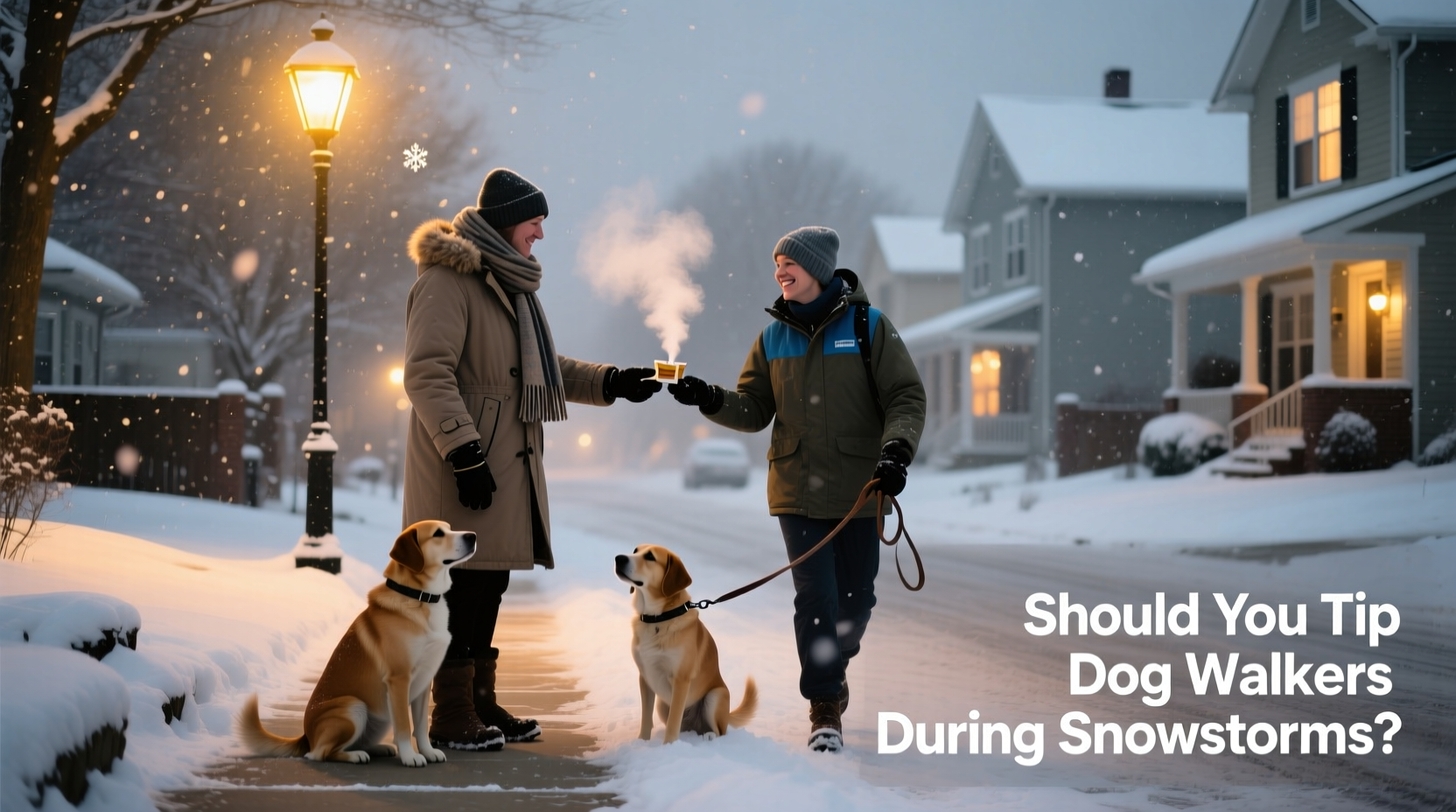
Walking a dog during a snowstorm isn’t simply an inconvenience—it introduces real physical, logistical, and safety challenges. Unlike indoor services, dog walking happens entirely outdoors, making it highly vulnerable to weather disruptions.
- Slippery conditions: Ice-covered sidewalks increase the risk of falls for both the walker and the dog.
- Reduced visibility: Blowing snow and low light make navigation harder and potentially dangerous.
- Cold exposure: Prolonged time outside in sub-zero temperatures increases the risk of frostbite or hypothermia.
- Extended duration: Clearing paths, de-icing boots, and managing leashed dogs on slick surfaces can double walk times.
- Transportation hurdles: If the walker uses public transit or walks between clients, snow delays and unsafe routes add stress.
In these conditions, showing appreciation through a tip acknowledges not just service, but resilience.
Is Tipping Expected During Winter Storms?
Tipping is generally considered optional in the pet care industry—unlike restaurants or hair salons, there's no standardized expectation. But during exceptional circumstances like snowstorms, many pet owners choose to tip as a way to recognize added effort.
A 2023 survey by Rover.com found that 68% of dog owners who use professional walkers reported increasing tips during extreme weather, citing fairness and empathy as primary motivators. While not mandatory, tipping during snowstorms has become a growing norm in urban areas where service continuity is expected despite conditions.
Industry experts agree: when a walker braves hazardous weather to ensure your dog gets exercise and relief, a tip reflects respect for their dedication.
“Pet professionals are essential workers in many households. A tip during a blizzard isn’t indulgence—it’s recognition of someone doing difficult work so your pet stays healthy.” — Dr. Lena Patel, Urban Pet Care Advocate
How Much Is a Fair Tip During a Snowstorm?
There’s no universal rule, but several factors influence what constitutes a fair and meaningful tip:
- Duration and severity of the storm
- Local cost of living
- Frequency of walks (daily vs. occasional)
- Whether the walker is employed directly or through an app-based platform
Below is a general guideline based on average walk prices and regional standards:
| Base Walk Cost | Moderate Snowfall Tip | Heavy Snowstorm/Blizzard Tip | Emergency Cancellation Fee Waiver |
|---|---|---|---|
| $20 | $5–$8 | $10–$15 | Waive fee + $5 tip |
| $30 | $8–$12 | $15–$25 | Waive fee + $10 tip |
| $40+ (multiple dogs or long walks) | $10–$15 | $20–$30+ | Waive fee + $15 tip |
Alternatively, some owners opt for percentage-based tipping:
- Light to moderate snow: 25–50% above normal rate
- Severe storm (blizzard, ice storm, whiteout): 75–100% increase
- One-time bonus: $20–$50 per storm day if the walker completes multiple visits
These amounts are not obligations, but benchmarks for thoughtful appreciation.
Regional Differences Matter
In cities like Buffalo, Minneapolis, or Boston, where heavy snow is common, walkers may already factor winter conditions into their base pricing. In contrast, regions unaccustomed to snow—such as Atlanta or Portland, OR—may see higher relative hardship during rare storms, warranting larger symbolic tips.
Ask yourself: Is this a routine winter day or a truly disruptive event? The rarer and more dangerous the conditions, the stronger the case for generous tipping.
When Not to Tip (and What to Do Instead)
Tipping should never be used to pressure service providers into working under unsafe conditions. There are situations where withholding a tip—or even canceling service—is the responsible choice.
If local authorities have issued travel advisories, road closures, or school cancellations due to ice or snow, it may be unreasonable to expect any outdoor worker to perform duties. In such cases:
- Cancel walks proactively and without penalty
- Offer a partial tip or goodwill payment even if the walk didn’t happen
- Express gratitude via message or note
Some owners send a $10–$15 “appreciation bonus” even when walks are canceled, especially if the walker was prepared and available. This maintains goodwill and supports income stability during unpredictable months.
“I once got a text from a client saying, ‘No need to come out today—stay safe. Here’s half the fee anyway.’ That small act built immense loyalty.” — Marcus Tran, Independent Dog Walker, Chicago
Step-by-Step Guide: Handling Dog Walks During a Snowstorm
Navigating winter weather with a dog walker requires planning and mutual respect. Follow this timeline to manage expectations and show appreciation appropriately.
- Monitor forecasts 24–48 hours ahead: Check for winter storm warnings or advisories in your area.
- Contact your walker: Ask if they feel comfortable working in predicted conditions. Respect their judgment.
- Adjust schedule if needed: Suggest earlier or later walks to avoid peak snowfall, if feasible.
- During the storm: If walks proceed, track completion and thank the walker promptly.
- After the walk: Send a tip within 24 hours—ideally with a personal note.
- Post-storm follow-up: Consider a bonus for consistent service throughout winter weeks.
This approach balances safety, reliability, and fairness.
Mini Case Study: The February Blizzard in Pittsburgh
In February 2023, Pittsburgh experienced a sudden blizzard with 18 inches of snow in 36 hours and wind chills below -10°F. Public transportation halted, schools closed, and non-essential workers were advised to stay home.
Jamila Carter, a pet owner with two high-energy border collies, had a dilemma. Her regular walker, Diego, lived 2 miles away and relied on a bike and bus combination. She sent him a message: “Totally understand if you can’t make it. We’ll manage indoors.”
Diego replied: “I’m heading out. Dogs need relief, and I’ve got gear.” He completed the walk in 45 minutes—double the usual time—wading through unplowed sidewalks.
Jamila tipped $25 on a $30 walk and posted a five-star review highlighting his dedication. She also gave him a $50 gift card to a local outdoor store at the end of the month “for boots and hand warmers.”
The result? Diego continued working for her family all winter, even offering midday check-ins during subsequent storms. Their relationship shifted from transactional to trusting.
This case illustrates how thoughtful tipping during crises fosters long-term reliability and peace of mind.
Checklist: Tipping Your Dog Walker in a Snowstorm
Use this practical checklist to ensure you handle winter tipping fairly and respectfully:
- ✅ Assess storm severity: Is it light snow or a dangerous blizzard?
- ✅ Confirm availability: Did the walker choose to work or feel obligated?
- ✅ Review base pay: Know your standard rate before calculating a tip.
- ✅ Decide on amount: Use the table above or apply a percentage increase.
- ✅ Deliver tip promptly: Transfer via cash, app, or digital payment within a day.
- ✅ Add a personal note: A simple “Stay safe!” or “We appreciate you” goes far.
- ✅ Consider recurring bonuses: Reward consistency over the winter season.
Frequently Asked Questions
Do I have to tip if my dog walker charges more in winter?
If your walker has a documented “winter surcharge” or seasonal rate increase, that may replace the need for an additional tip—unless conditions are exceptionally harsh. However, a small discretionary tip ($5–$10) during major storms is still a kind gesture.
What if the walk was shorter than usual due to weather?
Even shortened walks require full preparation and travel. Unless the walker explicitly states they’re reducing fees, treat it as a complete service. You might adjust the tip slightly downward, but don’t eliminate it entirely.
Should I tip differently for app-based vs. private walkers?
App-based platforms (like Wag or Rover) often include tipping interfaces and suggest amounts. Private walkers may not prompt for tips, making direct compensation more meaningful. In both cases, the level of effort should guide your decision—not the employment model.
Conclusion: Recognizing Effort Builds Trust and Reliability
Tipping your dog walker during a snowstorm isn’t about obligation—it’s about acknowledgment. It says, “I see the difficulty of what you’re doing, and I value your commitment to my pet.” In return, you’re more likely to receive dependable service when conditions are tough, and your walker feels respected as a professional.
Fair tipping doesn’t require extravagant sums. A thoughtful $10–$20 during a major storm, paired with clear communication and gratitude, can make a significant difference in someone’s week—and reinforce a relationship built on mutual respect.
As winter weather becomes more unpredictable, pet owners have a chance to lead with empathy. Whether through a digital tip, a warm pair of gloves, or simply waiving a cancellation fee, small actions create lasting impact.




 浙公网安备
33010002000092号
浙公网安备
33010002000092号 浙B2-20120091-4
Comments
No comments yet. Why don't you start the discussion?