
Baking decorated cookies is more than just a seasonal tradition—it’s an art form that combines flavor, texture, and creativity. Whether you're preparing for a holiday, birthday, or simply enjoying a weekend project with family, the foundation of any great decorated cookie is the perfect dough. Many bakers struggle with cookies that spread too much, crack when iced, or lack structural integrity for intricate designs. The solution lies not in elaborate techniques but in a reliable, balanced recipe and smart baking practices.
The ideal cookie for decorating holds its shape, has a smooth surface for icing, and offers a satisfying bite—crisp around the edges, tender in the center. This guide walks through a time-tested recipe, essential tips, and proven methods to ensure your decorated cookies turn out beautifully every time.
The Perfect Sugar Cookie Recipe
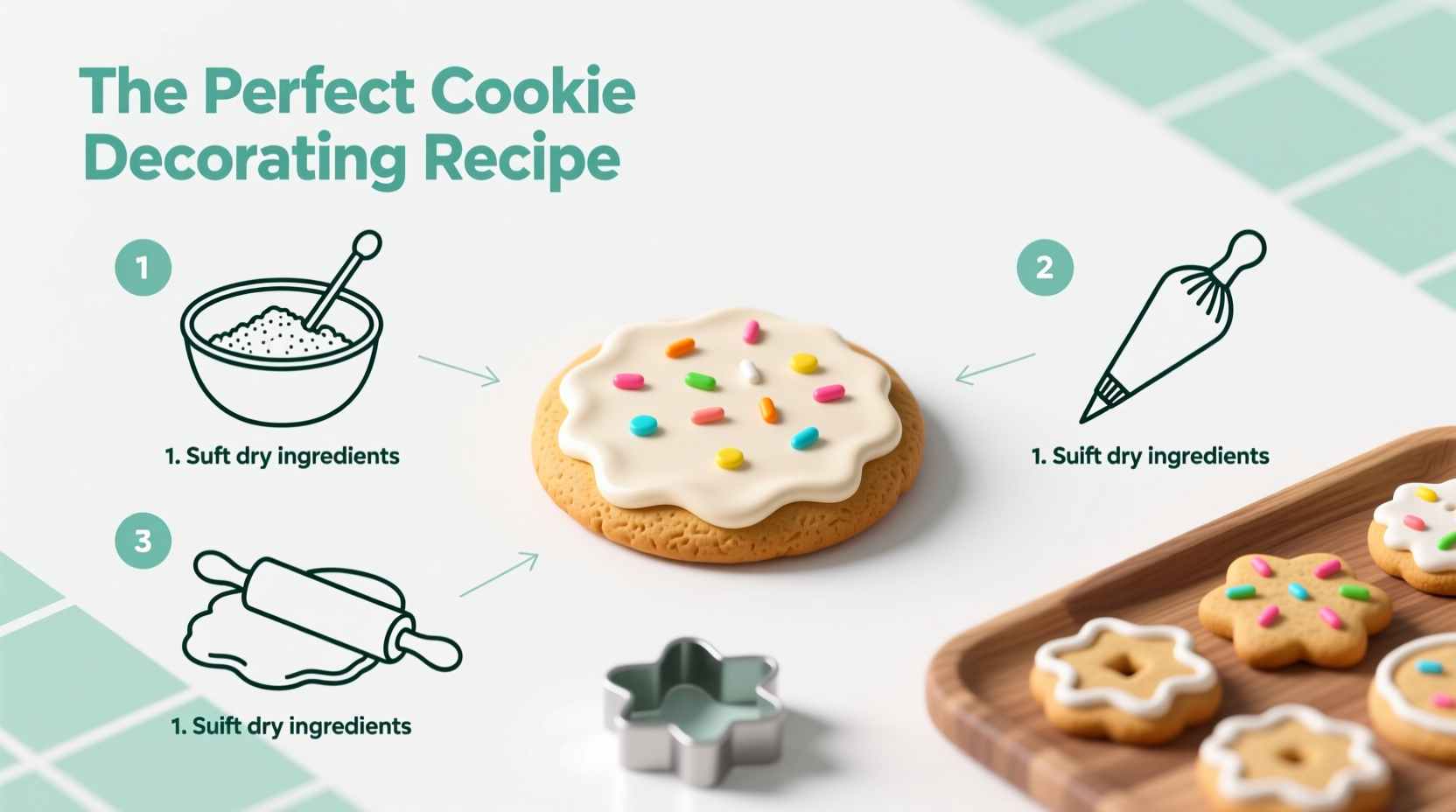
The following recipe yields approximately 24 medium-sized cookies (using a 3-inch cutter) and produces a sturdy yet flavorful base that handles detailed decoration with ease. It uses common pantry ingredients and requires no special equipment beyond a mixer and rolling pin.
- Butter (1 cup, unsalted, softened) – Provides richness and contributes to flakiness. Use real butter for superior flavor.
- Granulated sugar (3/4 cup) – Sweetens without making the dough too soft.
- Egg (1 large) – Binds ingredients and adds structure.
- Vanilla extract (2 tsp) – Enhances flavor depth; pure extract is preferred over imitation.
- All-purpose flour (3 cups) – The backbone of the dough. Measured correctly, it prevents dryness or stickiness.
- Baking powder (1 tsp) – A small amount lifts the cookie slightly without encouraging spread.
- Salt (1/2 tsp) – Balances sweetness and sharpens overall taste.
Instructions
- In a large bowl, cream together butter and sugar until light and fluffy (about 2–3 minutes).
- Add the egg and vanilla. Mix until fully incorporated.
- In a separate bowl, whisk together flour, baking powder, and salt.
- Gradually add the dry ingredients to the wet mixture, mixing on low speed until a soft dough forms.
- Divide the dough into two equal portions, flatten into discs, wrap in plastic, and chill for at least 2 hours (or up to 48 hours).
- Preheat oven to 350°F (175°C). Line baking sheets with parchment paper.
- Roll out one disc at a time to 1/4-inch thickness on a lightly floured surface. Cut into shapes using cookie cutters.
- Transfer cookies to baking sheets, spacing them 1 inch apart.
- Bake for 9–11 minutes, or until the edges are just beginning to turn golden. Centers should remain pale.
- Cool on the baking sheet for 3 minutes, then transfer to a wire rack to cool completely before decorating.
Why This Recipe Works for Decorating
Many sugar cookie recipes either spread excessively or become too hard after cooling. This version strikes a balance by controlling moisture and fat distribution. The chilling step is non-negotiable—it firms up the butter, preventing rapid melting in the oven, which causes spreading. The moderate amount of sugar ensures sweetness without compromising structure.
Additionally, the inclusion of baking powder—not baking soda—gives a slight lift without altering pH levels that could affect icing adhesion. The result is a flat, even canvas ideal for flooding with royal icing or painting with edible colors.
| Feature | Benefit for Decorating |
|---|---|
| Chilled dough | Minimizes spread, preserves sharp cutter details |
| 1/4-inch thickness | Strong enough to handle handling, easy to stack or package |
| Even bake | No warping or bubbling—smooth surface for clean icing |
| Neutral flavor | Complements icing without overpowering it |
Decorating Best Practices
A flawless cookie is only half the battle. How you decorate determines the final impact. Royal icing is the gold standard for detailed work because it dries hard and glossy. It can be thinned for “flooding” large areas or kept thick for outlining and piping details.
For beginners, a simple three-consistency approach works well:
- Stiff (15-second icing): Holds peaks; used for borders and fine details.
- Flood (20–25 second icing): Spreads smoothly; fills interiors.
- Glaze (30+ seconds): Very thin; good for layering or subtle washes.
“Consistency control is the secret to professional-looking decorated cookies. Take the time to test your icing flow on a spoon before applying.” — Chef Lena Ruiz, Pastry Instructor at Midwest Culinary Academy
Real-World Example: Holiday Cookie Prep
Sarah, a home baker from Portland, used to dread holiday cookie swaps. Her cookies often lost their shape, and royal icing slid off uneven surfaces. After switching to this recipe and adopting the chilling method, her results transformed. She now prepares dough two days ahead, cuts shapes the night before baking, and freezes unbaked cookies on trays before transferring them to bags. On baking day, she pulls them straight from the freezer to the oven—no thawing needed. The cookies emerge uniform, flat, and ready for her signature snowflake designs. Her batch lasts longer and receives consistent praise at community events.
Common Mistakes and How to Avoid Them
Even experienced bakers make errors that compromise cookie quality. Awareness of these pitfalls leads to better outcomes.
| Mistake | Consequence | Solution |
|---|---|---|
| Skipping the chill time | Cookies spread and lose definition | Refrigerate dough for at least 2 hours |
| Rolling dough too thin or thick | Breaks easily or becomes chewy | Use 1/4-inch guide strips or mat |
| Overbaking | Dry texture, browned surface ruins icing | Remove when edges are just golden |
| Decorating warm cookies | Icing melts and smudges | Wait until completely cooled (1–2 hours) |
Frequently Asked Questions
Can I freeze the dough or baked cookies?
Yes. Raw dough discs can be frozen for up to 3 months. Thaw overnight in the fridge before rolling. Baked, undecorated cookies freeze well for 2 months if stored airtight. Decorated cookies can be frozen but may develop condensation upon thawing—best for short-term storage.
How long do decorated cookies last?
When stored in an airtight container at room temperature, decorated sugar cookies keep for 2–3 weeks. Avoid humid environments to prevent icing from sweating or colors bleeding.
Can I use butter substitutes or gluten-free flour?
Butter substitutes often contain more water, increasing spread. Stick to real butter. For gluten-free versions, use a high-quality 1:1 blend with xanthan gum included. Expect slight texture differences and test in small batches first.
Step-by-Step Timeline for Success
- Day 1 (Evening): Make dough, chill for at least 2 hours or overnight.
- Day 2 (Morning): Roll, cut, and chill cut shapes for 10 minutes.
- Day 2 (Midday): Bake, cool completely.
- Day 2 (Afternoon): Prepare royal icing, start decorating.
- Day 2 (Evening): Allow icing to dry fully (4–6 hours or overnight).
- Storage: Pack in single layers with parchment between, in an airtight container.
Conclusion
Baking cookies to decorate doesn’t require perfection on the first try. With the right recipe, attention to detail, and a few pro techniques, anyone can create beautiful, delicious treats that impress and endure. The key is consistency—from ingredient ratios to chilling times—and patience during decorating. These cookies aren’t just food; they’re keepsakes, gifts, and expressions of care.




 浙公网安备
33010002000092号
浙公网安备
33010002000092号 浙B2-20120091-4
Comments
No comments yet. Why don't you start the discussion?