
Couches are central to home comfort—where families gather, guests relax, and daily life unfolds. But over time, they absorb odors from pets, food, spills, sweat, and environmental factors. Unlike clothing or bedding, couches can't be tossed in the wash, making odor removal a unique challenge. The good news: with the right approach, you can eliminate unpleasant smells safely and effectively without harsh chemicals or expensive professional services. This guide outlines practical, science-backed methods that deliver real results.
Why Odors Linger in Couch Fabric and Cushions
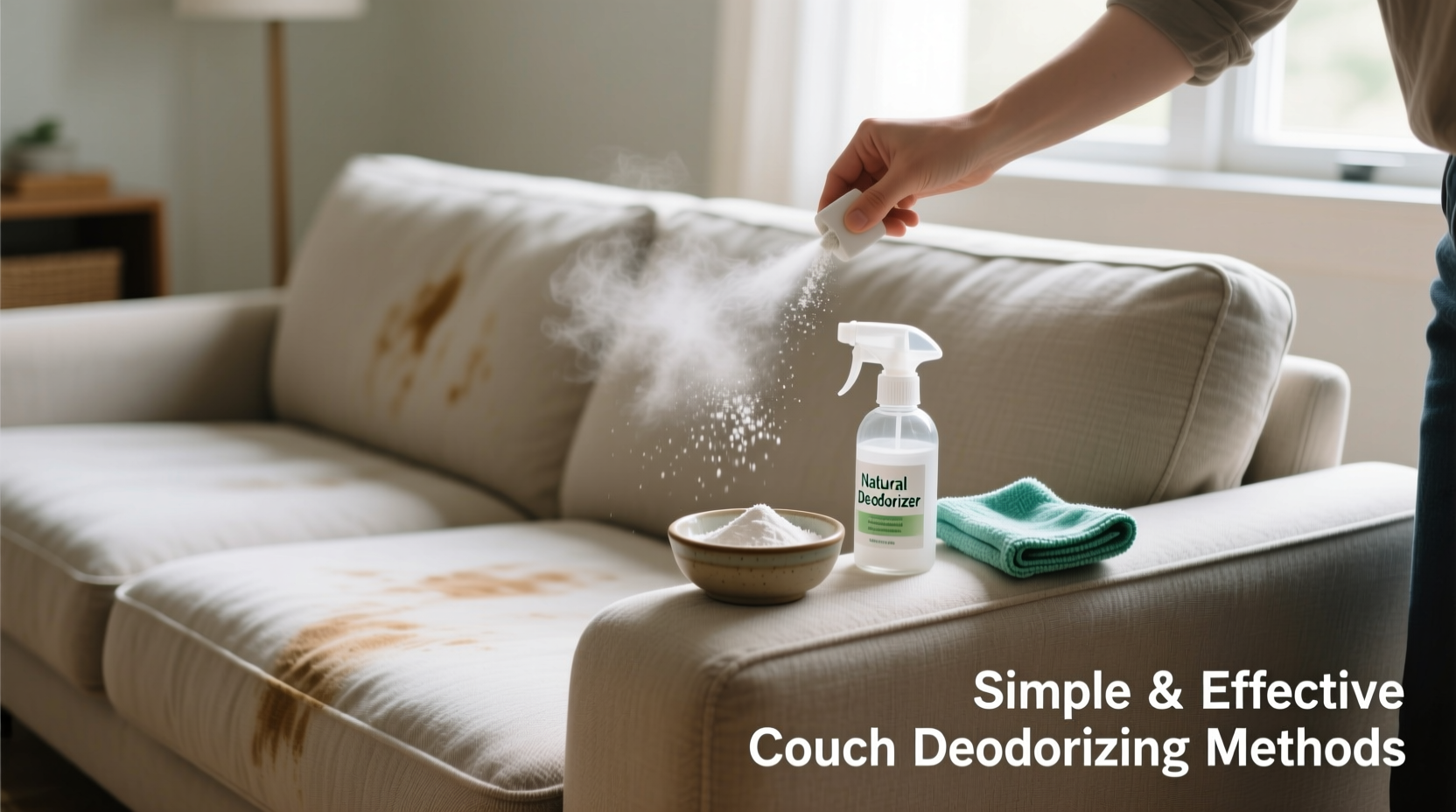
Fabrics like microfiber, cotton, and wool are porous, meaning they trap particles and volatile organic compounds (VOCs) that cause odors. Upholstered cushions often contain foam or fiberfill, which act like sponges for moisture and smells. Common culprits include pet accidents, spilled drinks, body oils, cigarette smoke, and even off-gassing from synthetic materials. If not addressed properly, these odors can embed deep into padding and frames, making surface cleaning ineffective.
Understanding the source of the smell is critical. Organic odors (from food, pets, or sweat) respond well to enzymatic cleaners, while musty smells often indicate mold or mildew due to trapped moisture. Synthetic odors, like those from smoke or perfumes, may require adsorption rather than breakdown.
Step-by-Step Guide to Deep Deodorizing
A thorough deodorizing process involves more than spraying a fragrance. It requires preparation, targeted treatment, and proper drying. Follow this timeline for optimal results:
- Remove loose debris: Use a vacuum with an upholstery attachment to clean all surfaces, including crevices and under cushions.
- Spot-clean stains: Treat visible stains with a mild detergent or enzyme-based cleaner before deodorizing.
- Apply a deodorizing agent: Choose one of the methods below based on fabric type and odor severity.
- Allow full absorption and dwell time: Let the treatment sit for at least 30 minutes—up to several hours for strong odors.
- Vacuum again: Remove residual powder or residue after treatment.
- Ensure complete drying: Air out the room or use fans to prevent moisture buildup, which can lead to mildew.
Natural and Effective Deodorizing Methods
You don’t need industrial chemicals to refresh your couch. These household solutions are both safe and powerful.
Baking Soda: The Gold Standard
Baking soda (sodium bicarbonate) neutralizes acidic and basic odor molecules. Its fine granules penetrate fabric and break down odor-causing compounds.
- Sprinkle generously over the entire couch, focusing on high-use areas.
- Let it sit for 1–4 hours (or overnight for severe odors).
- Vacuum thoroughly.
White Vinegar and Water Spray
Vinegar contains acetic acid, which kills bacteria and neutralizes alkaline odors. Mix equal parts white vinegar and water in a spray bottle.
- Mist lightly over the fabric—do not soak.
- Let air dry completely; the vinegar smell will dissipate within hours.
- Follow with a baking soda application for enhanced effect.
Hydrogen Peroxide Solution (for tough organic odors)
A mixture of ½ cup hydrogen peroxide (3%), 1 tablespoon dish soap, and ¼ cup baking soda creates a foaming cleaner that breaks down organic matter.
- Apply only to spot-test-safe fabrics.
- Blot, don’t rub, to avoid fiber damage.
- Always ventilate the room during and after use.
Activated Charcoal or Zeolite Bags
These materials adsorb (bind to) odor molecules rather than masking them. Place charcoal bags between cushions or under throw pillows for continuous odor control.
“Baking soda remains one of the most underrated tools in home care. It’s non-toxic, inexpensive, and chemically effective at neutralizing a wide range of odors.” — Dr. Lena Peterson, Environmental Health Scientist
Do’s and Don’ts of Couch Deodorizing
| Do | Don't |
|---|---|
| Vacuum before and after treatment | Soak the fabric—excess moisture breeds mold |
| Test cleaners on hidden areas | Use bleach on colored or delicate fabrics |
| Allow full drying time (6–12 hours) | Mask odors with heavy perfumes—they can worsen indoor air quality |
| Use enzyme cleaners for pet-related odors | Ignore manufacturer’s cleaning codes (W, S, WS, X) |
| Repeat treatments if needed | Use heat (like hair dryers) to speed drying—can set odors and damage fibers |
Real Example: Removing Pet Odor from a Microfiber Sofa
Jamie, a pet owner in Portland, noticed a persistent urine smell on her beige microfiber sofa after her puppy had an accident. She initially tried wiping it with soapy water, but the odor returned within days. Following a layered approach, she first blotted the area with paper towels, then applied an enzymatic cleaner designed for pet odors. After letting it sit for two hours, she sprinkled baking soda over the entire couch, left it overnight, and vacuumed thoroughly the next morning. Within 24 hours, the smell was gone. She now places activated charcoal bags between cushions weekly as a preventive measure.
This case illustrates the importance of targeting the root cause—organic enzymes break down uric acid crystals, while baking soda neutralizes residual smells. Surface cleaning alone would not have resolved the issue.
Checklist: Quick Couch Deodorizing Routine
- ☐ Vacuum all surfaces, including seams and under cushions
- ☐ Identify odor type (pet, food, musty, etc.)
- ☐ Spot-treat stains with appropriate cleaner
- ☐ Apply baking soda or other deodorizer evenly
- ☐ Allow 1–4 hours (or overnight) dwell time
- ☐ Vacuum residue completely
- ☐ Air out the room for 6–12 hours
- ☐ Consider placing odor-absorbing bags between cushions
Frequently Asked Questions
How often should I deodorize my couch?
For households with pets, children, or frequent use, deodorize every 4–6 weeks. In low-traffic homes, every 2–3 months is sufficient. Regular vacuuming and airing out can extend the interval.
Can I use Febreze or other commercial sprays?
Yes, but cautiously. Many aerosol fresheners mask odors with synthetic fragrances and may trigger allergies. Look for versions labeled “odor eliminator” that contain cyclodextrin or enzymes. Avoid overuse, as residue buildup can attract dust and worsen smells over time.
Is steam cleaning safe for deodorizing?
Steam cleaning can be effective but carries risks. High heat can shrink certain fabrics or push moisture deep into padding, leading to mold if not dried properly. Use a professional-grade machine or hire a technician if unsure. Always follow up with thorough ventilation.
Conclusion: Freshness Starts with Smart Habits
Deodorizing a couch doesn’t require expensive products or professional help in most cases. With simple ingredients like baking soda, vinegar, and proper technique, you can restore freshness and extend the life of your furniture. The key is consistency and understanding the nature of the odor. Prevention—such as using washable covers, regular vacuuming, and prompt spill cleanup—goes a long way toward minimizing future issues.




 浙公网安备
33010002000092号
浙公网安备
33010002000092号 浙B2-20120091-4
Comments
No comments yet. Why don't you start the discussion?