
A well-fitted watch doesn’t just look better—it performs better. For active lifestyles, comfort and security are essential, especially when wearing a sports watch like the Megir during workouts, commutes, or outdoor adventures. A loose strap can cause irritation or accidental drops; a too-tight one restricts circulation and causes discomfort. Achieving the ideal fit isn’t complicated, but it does require attention to detail and the right technique. This guide walks you through practical, tested methods to adjust your Megir sports watch strap with precision, ensuring all-day comfort and confidence.
Why Proper Strap Fit Matters
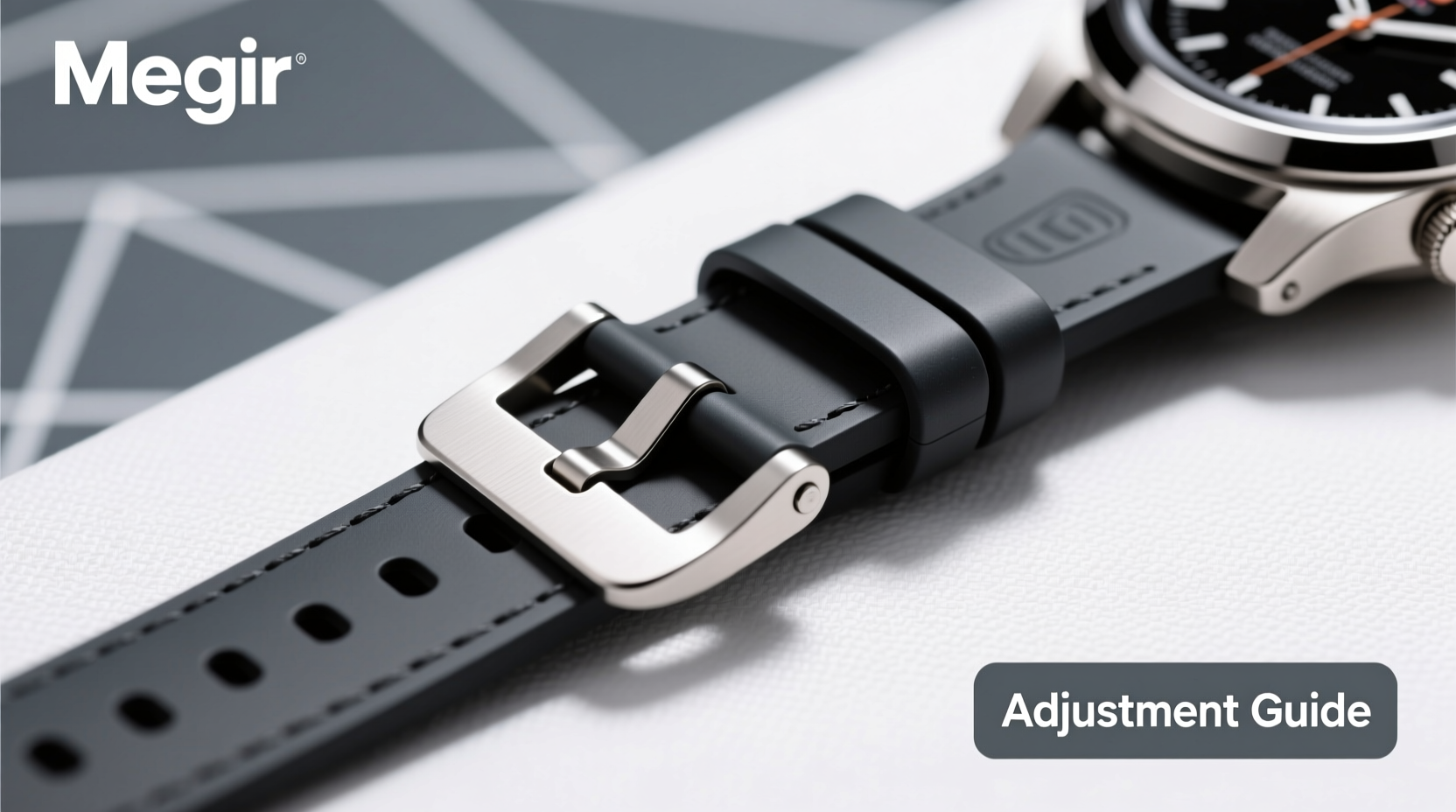
The fit of your watch strap influences more than just appearance. An improperly adjusted band can affect sensor accuracy, particularly heart rate monitoring, which relies on consistent skin contact. It can also lead to chafing, pressure marks, or even skin irritation from trapped sweat. On the flip side, a securely fitted but comfortable strap allows free movement without slipping, enhances durability by reducing stress on the clasp and links, and improves overall wearability.
“Even high-performance watches underperform if they’re not worn correctly. The strap is part of the system—not just an accessory.” — Jordan Lee, Wearable Technology Analyst
Understanding Your Megir Sports Watch Strap Type
Megir sports watches typically come with one of two common strap types: silicone rubber bands with pin-and-hole adjustment or quick-release interchangeable straps. Identifying your model’s strap style is the first step toward proper adjustment.
- Silicone Rubber Strap: Flexible, sweat-resistant, and designed for daily activity. Adjusted using a metal pin that slides into pre-drilled holes.
- Quick-Release Strap: Found on newer models, these allow easy swapping between bands and often feature micro-adjustments or folding clasps.
Most users will encounter the traditional silicone band with multiple perforations. These offer incremental adjustments, but many people use only the center hole, missing out on a truly customized fit.
Step-by-Step Guide to Adjusting a Pin-and-Hole Silicone Strap
This method applies to most standard Megir sports watches with a traditional buckle and perforated silicone band. Follow these steps carefully to achieve a snug yet breathable fit.
- Remove the Watch: Take it off your wrist to avoid pressure while adjusting.
- Locate the Spring Bar and Pin: Examine the buckle end of the strap. You’ll see a small metal pin (the spring bar) holding the strap in place at a specific hole.
- Use a Small Tool: Gently insert a narrow tool—a paperclip, toothpick, or spring bar removal tool—into the gap between the pin and the buckle. Push the pin outward until it clears the strap.
- Reposition the Strap: Slide the strap to align the buckle with your desired hole. Choose a hole that positions the watch snugly against your wrist bone without pressing into soft tissue.
- Reinsert the Pin: Line up the hole and gently push the spring bar back through both sides of the strap and into the buckle. Ensure it clicks securely into place.
- Trim Excess (Optional): If the tail hangs too long, consider trimming it with sharp scissors, leaving about 5mm past the last hole for safety.
After reassembly, test the fit: the watch should stay firmly in place when you shake your hand, but you should be able to slide a fingertip beneath the strap comfortably.
Do’s and Don’ts of Watch Strap Adjustment
| Do’s | Don’ts |
|---|---|
| Adjust both top and bottom straps evenly for balanced positioning | Leave long strap tails dangling—they can catch on objects |
| Clean the strap before adjusting to prevent dirt buildup in crevices | Force the spring bar without proper alignment—it may bend or break |
| Check fit after sweating or swelling (e.g., post-workout) | Ignore signs of strap degradation like cracking or stiffness |
| Use replacement pins if originals become damaged | Over-tighten to compensate for a poor-quality strap |
Real-Life Example: Fixing a Loose Watch During Workouts
Carlos, a fitness instructor in Austin, noticed his Megir watch would rotate and slip during HIIT sessions. He initially thought the issue was with the watch’s grip, but realized the strap was set too loosely to accommodate swollen wrists post-exercise. By switching to a tighter hole setting that worked for his peak activity phase—and slightly loosening it during rest—he maintained stability without compromising comfort. He also trimmed the excess strap length, eliminating flapping during burpees and kettlebell swings. Within days, he reported improved tracking accuracy and no more mid-workout readjustments.
Alternative Methods for Enhanced Comfort
If the standard pin-and-hole system feels limiting, several user-tested modifications can improve wearability:
- NATO-Style Adapters: Some owners install nylon NATO straps using quick-release spring bars. These wrap around the wrist twice, offering superior security and breathability.
- Micro-Adjustable Clasps: Aftermarket buckles allow fine-tuning in millimeters, ideal for temperature-related wrist size changes.
- Silicone Shorteners: Small clips or sleeves can secure dangling ends without cutting the strap, preserving future adjustability.
These alternatives don’t require permanent modification and can be swapped based on activity. For example, a runner might prefer a NATO strap for long-distance runs, while using the original silicone band for casual wear.
Frequently Asked Questions
How tight should my Megir sports watch strap be?
The strap should hold the watch flat against your wrist without sliding freely. You should be able to fit one finger comfortably underneath. If indentations remain after removal or you feel numbness, it’s too tight.
Can I resize the strap myself without special tools?
Yes. A straightened paperclip or toothpick works well for releasing spring bars. Just ensure the tool is clean and sturdy enough to apply even pressure without bending.
What if the spring bar keeps falling out after adjustment?
This usually means the pin wasn’t fully seated. Recheck alignment and push until you hear or feel a slight click. If the problem persists, replace the spring bar—cheap replacements are widely available online.
Final Checklist: Achieving the Perfect Fit
- Identify your strap type (pin-and-hole or quick-release).
- Clean the strap and inspect for damage.
- Choose the optimal hole position based on wrist size and activity.
- Use a safe tool to release and reposition the spring bar.
- Ensure the pin is fully secured on both sides.
- Trim or secure excess strap length.
- Test the fit during movement and adjust as needed.
Conclusion
Getting the right fit on your Megir sports watch is a small change with significant impact. Whether you're tracking morning jogs, managing a busy workday, or traveling light, a properly adjusted strap enhances comfort, performance, and longevity. These straightforward techniques put professional-level customization within reach—no special skills required. Take a few minutes today to reassess your current fit. The difference in how your watch feels—and functions—might surprise you.




 浙公网安备
33010002000092号
浙公网安备
33010002000092号 浙B2-20120091-4
Comments
No comments yet. Why don't you start the discussion?