
For many individuals—especially older adults, children, or those with swallowing difficulties—taking medication in pill form can be a challenge. In such cases, crushing pills becomes a necessary step to ensure proper dosing and ease of administration. However, not all methods are safe or equally effective. Doing it incorrectly can compromise the medication’s potency, alter its release mechanism, or even pose health risks. The key lies in using the right tools and techniques while understanding which medications should never be crushed. This guide provides clear, practical, and safe approaches to crushing pills when medically appropriate.
Understanding When It’s Safe to Crush Pills
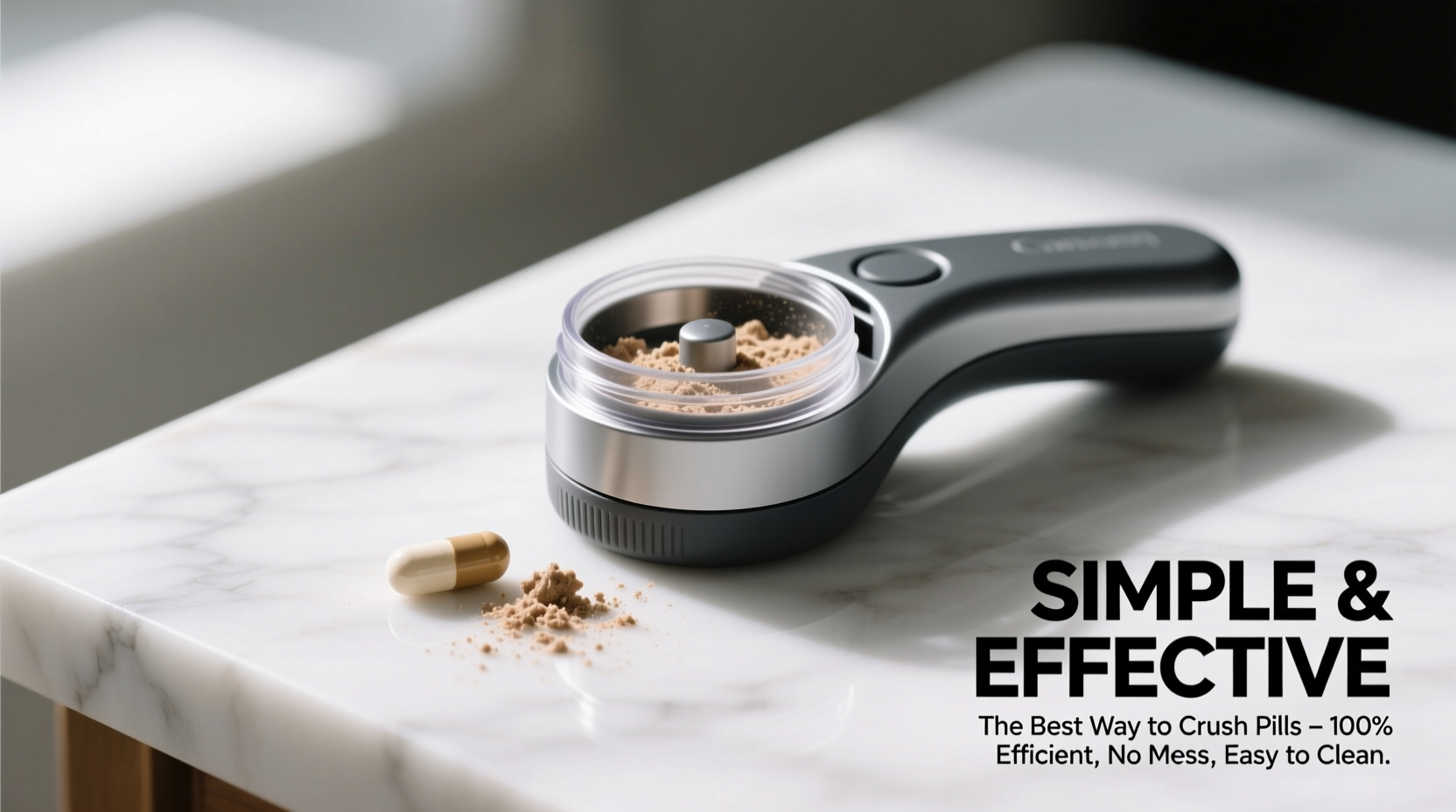
Before attempting to crush any medication, it’s essential to determine whether it’s safe to do so. Some pills are designed with special coatings or time-release mechanisms that ensure the drug is absorbed gradually over time. Crushing these types of tablets can lead to rapid absorption, potentially causing overdose or reduced effectiveness.
Medications that should generally never be crushed include:
- Extended-release (ER), sustained-release (SR), or delayed-release formulations
- Capsules containing microbeads or pellets
- Enteric-coated tablets (designed to pass through the stomach intact)
- Chemotherapy drugs or potent hormones
“Altering the physical form of a medication without medical approval can change how it works in the body. Always consult your pharmacist or physician before crushing any pill.” — Dr. Rebecca Lin, Clinical Pharmacist
Best Tools for Crushing Pills at Home
Using makeshift tools like spoons or knives is inefficient and unhygienic. Instead, opt for dedicated pill-crushing devices designed for safety, precision, and cleanliness. Below is a comparison of common tools used for crushing pills:
| Tool | Effectiveness | Hygiene | Portability | Cost |
|---|---|---|---|---|
| Pill Crusher/Mortar | ★★★★★ | ★★★★☆ | ★★★☆☆ | $$ |
| Pill Splitter with Crusher | ★★★★☆ | ★★★★☆ | ★★★★☆ | $ |
| Blender or Coffee Grinder (dedicated) | ★★★★☆ | ★★★☆☆ | ★☆☆☆☆ | $$$ |
| Spoon and Ziplock Bag | ★★☆☆☆ | ★☆☆☆☆ | ★★★★★ | $ |
The most reliable option for home use is a **pill crusher with a built-in mortar and pestle**. These devices are typically made of durable plastic or stainless steel, feature a lid to contain dust, and often come with a small spoon for measuring the crushed powder. They’re easy to clean and minimize cross-contamination.
Step-by-Step Guide to Safely Crush Pills
Follow this sequence to crush pills effectively and hygienically:
- Verify safety: Confirm with your doctor or pharmacist that the medication can be crushed.
- Wash hands: Clean your hands thoroughly with soap and water to prevent contamination.
- Prepare the tool: Ensure your pill crusher or other device is clean and dry.
- Place the pill: Put the tablet into the crushing chamber. Avoid overfilling if crushing multiple pills unless they are identical.
- Crumble gently: Apply steady pressure using the pestle or plunger. Use a twisting motion for better results.
- Check consistency: The powder should be fine and uniform. If large chunks remain, crush again.
- Transfer carefully: Use a clean spoon or oral syringe to move the powder into food, water, or an oral dosing cup.
- Clean immediately: Wash the crusher with warm, soapy water and dry completely to prevent residue buildup.
Practical Tips for Administering Crushed Medication
Once a pill is crushed, how you administer it matters just as much as how it was crushed. The goal is to ensure the full dose is consumed without altering the drug’s effect.
- Mix the powder with a small amount of soft food like applesauce, yogurt, or pudding. Choose something the patient likes to encourage full consumption.
- Avoid acidic foods (like orange juice) unless approved by a healthcare provider, as they may interact with certain medications.
- Do not mix crushed pills into large portions of food or beverages that may not be fully consumed.
- If mixing with liquid, stir well and ensure the patient drinks the entire portion immediately.
- Never store pre-mixed crushed medication for later use unless specifically instructed.
Mini Case Study: Supporting an Elderly Parent
Maria, a caregiver for her 82-year-old father with Parkinson’s disease, noticed he was struggling to swallow his daily medications. After consulting his neurologist, she learned that two of his three prescriptions could be safely crushed. She purchased a compact pill crusher and began preparing his morning dose by mixing the powders with a tablespoon of banana puree. Within days, her father reported less discomfort and improved adherence. Maria also set up a labeled organizer with pre-approved crushed doses (for same-day use only), reducing morning stress and ensuring accuracy.
Common Mistakes to Avoid
Even with good intentions, errors in pill crushing are common. Awareness helps prevent them:
- Crushing without approval: Assuming all pills are safe to crush is dangerous.
- Using contaminated tools: Sharing crushers between patients or failing to clean them can spread germs.
- Incomplete crushing: Large fragments may not dissolve properly, leading to inconsistent dosing.
- Storing crushed pills: Powder degrades faster than whole tablets and may lose potency.
- Mixing incompatible substances: Combining certain drugs with dairy or acidic foods can reduce absorption.
FAQ
Can I use a coffee grinder to crush pills?
Yes, but only if it’s a dedicated grinder used exclusively for medication. Cross-contamination with coffee residues can cause adverse reactions. Clean it thoroughly after each use and label it clearly.
What if the crushed pill tastes bitter?
Bitterness is common with many medications. Mix the powder with strongly flavored but safe foods like chocolate syrup, jam, or peanut butter (if no allergies exist). Avoid altering pH-sensitive drugs with citrus or vinegar-based foods.
Is it safe to crush vitamins or supplements?
In most cases, yes—especially standard multivitamins or minerals. However, time-released or enteric-coated supplements (like fish oil or probiotics) should not be crushed, as this defeats their purpose.
Checklist: Safe Pill Crushing at Home
- ✅ Consult a healthcare provider before crushing any medication
- ✅ Identify the pill type (immediate vs. extended release)
- ✅ Use a dedicated, clean pill crusher or approved tool
- ✅ Crush one pill at a time if different medications
- ✅ Mix with a small, palatable, non-reactive food or liquid
- ✅ Administer immediately after preparation
- ✅ Clean tools thoroughly after each use
- ✅ Store whole pills properly; never pre-crush for long-term use
Conclusion
Crushing pills doesn’t have to be complicated or risky. With the right knowledge, tools, and precautions, it can be a simple and effective solution for those who struggle with swallowing medication. The foundation of success lies in verification, hygiene, and consistency. Whether you're managing your own health or supporting a loved one, taking the time to do it correctly ensures both safety and therapeutic effectiveness. Start by reviewing your current medications, consult your pharmacist, and invest in a quality crushing tool—your health routine will become more manageable and reliable.




 浙公网安备
33010002000092号
浙公网安备
33010002000092号 浙B2-20120091-4
Comments
No comments yet. Why don't you start the discussion?