
Dog owners know the familiar sight: kibble scattered across the floor, water splashed halfway to the living room, and paw prints in spilled food. While some mess is inevitable, excessive chaos during mealtime isn’t just inconvenient—it can encourage bad habits, attract pests, or even lead to digestive issues if your dog eats too fast. The good news is that with consistent, thoughtful adjustments, you can significantly reduce or eliminate messy eating behaviors. These strategies focus on practical changes to feeding routines, tools, and environment—all designed to promote calm, controlled mealtimes.
Understand Why Dogs Make a Mess While Eating
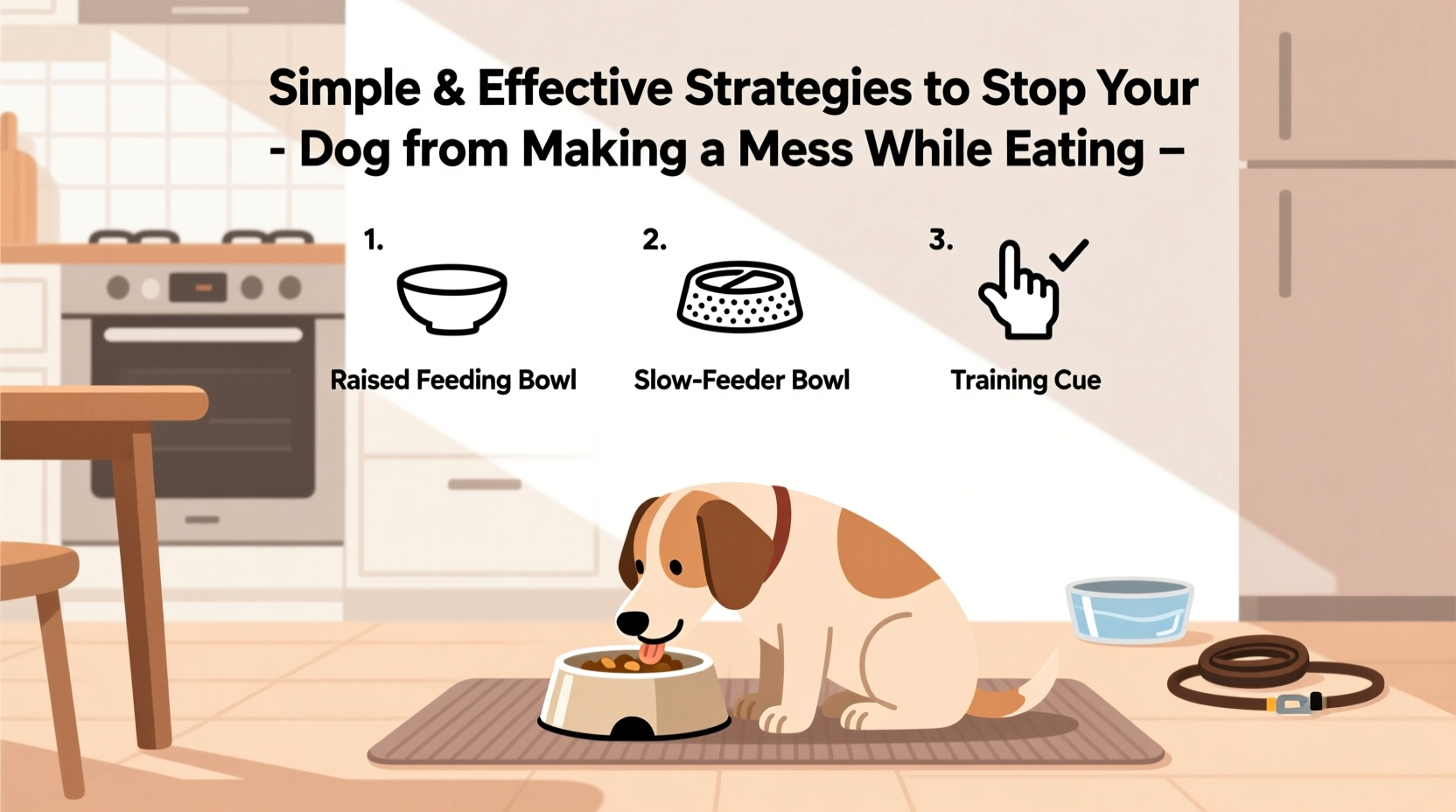
Dogs don’t scatter food for fun—they do it for reasons rooted in instinct, environment, or physical discomfort. Recognizing the cause is the first step toward solving it.
- Instinctual behavior: In the wild, dogs may move food away from a central spot to eat in safety, avoiding competition.
- Eating too fast: Rapid eating leads to pushing food out of the bowl, often resulting in spills and gulping air.
- Bowl placement: Bowls on slippery surfaces slide easily when nudged, spreading food and water.
- Overexcitement: Some dogs get overly stimulated at mealtime, turning feeding into a high-energy event.
- Physical discomfort: Neck strain from poorly positioned bowls can cause dogs to root around or toss food out.
Addressing the root cause ensures long-term success rather than temporary fixes.
Choose the Right Feeding Equipment
The type of bowl or feeder you use has a major impact on mess levels. Standard flat bowls often contribute to overeating and scattering. Upgrading to specialized feeding tools can make a dramatic difference.
| Feeder Type | Benefits | Best For |
|---|---|---|
| Elevated Bowls | Reduce neck strain; stabilize food | Large breeds, dogs with joint issues |
| Slow-Feed Puzzle Bowls | Encourage slower eating; minimize scattering | Fast eaters, anxious dogs |
| Non-Slip Base Bowls | Stay in place on tile or hardwood | All dogs, especially active ones |
| Double Bowl Mats with Rims | Catch spills and contain movement | Dogs who push bowls aggressively |
A rubber mat with raised edges placed under the bowl can catch stray kibble and absorb splashes. Look for dishwasher-safe options for easy cleaning.
“Switching to a slow-feed bowl reduced my Labrador’s vomiting after meals and cut floor cleanup time in half.” — Dr. Lena Torres, DVM, Canine Behavior Specialist
Establish a Calm Feeding Routine
Routine and environment play a crucial role in how your dog behaves at mealtime. A chaotic or stimulating setting can trigger excitement and mess-making.
- Feed in a quiet area: Choose a low-traffic zone away from distractions like TVs, doors, or other pets.
- Use a consistent schedule: Dogs thrive on predictability. Feed at the same times daily to reduce anxiety-driven behaviors.
- Practice “sit and wait”: Ask your dog to sit before placing the bowl down. This reinforces calmness and control.
- Avoid hand-feeding unless training: While bonding, hand-feeding can encourage food snatching and mess.
- Limit access time: Allow 15–20 minutes to eat, then remove the bowl. This discourages grazing and playing with food.
Consistency builds expectation. Over time, your dog will associate mealtime with quiet focus instead of frenzy.
Mini Case Study: From Chaos to Calm in Two Weeks
Sophie, a 2-year-old Beagle mix, would routinely flip her food bowl and chase kibble across the kitchen. Her owner, Mark, tried heavier bowls and scolding, but the behavior persisted. After consulting a trainer, he implemented three changes: switching to a slow-feed bowl, feeding Sophie in a laundry room corner with a non-slip mat, and practicing a “wait” command before serving meals. Within ten days, the flipping stopped. By day 14, Sophie ate calmly without moving her bowl once. The key wasn’t punishment—it was redirection and environmental management.
Training Techniques to Reduce Food Scattering
Some dogs pick up food and carry it to another location. This behavior, known as “caching,” stems from ancestral instincts to hide surplus food. While natural, it creates mess and can be modified with training.
Step-by-Step Guide: Teaching Bowl Focus
- Start with treats in hand: Hold a treat near the bowl and say “eat” only when your dog looks at it.
- Drop one piece at a time: Let your dog eat from the bowl, rewarding each time they return to it.
- Gradually increase portions: Add more food as your dog learns to stay at the bowl.
- Interrupt wandering: If your dog picks up food to move it, calmly say “leave it” and guide them back.
- Reinforce success: Praise and pet when your dog finishes eating in place.
This process may take several days, but patience pays off. Never punish your dog for picking up food—instead, redirect gently.
Common Mistakes That Worsen the Problem
Even with good intentions, certain habits can unintentionally reinforce messy eating.
- Using oversized bowls: Too much space encourages pushing and pawing at food.
- Free-feeding all day: Unrestricted access reduces focus and increases food manipulation.
- Reacting loudly to mess: Yelling can heighten anxiety, making the dog more erratic.
- Placing bowls on slick floors: Tile or hardwood without grip invites sliding and tipping.
- Ignoring medical issues: Dental pain or gastrointestinal discomfort may cause unusual eating behaviors.
If sudden changes in eating habits occur—such as refusal to eat, aggressive guarding, or choking—consult a veterinarian.
FAQ
Why does my dog kick food out of the bowl?
This behavior often stems from instinctual digging or caching. It can also indicate discomfort with the bowl’s depth or material. Try a shallower, wider bowl or a slow-feed design to discourage pawing.
Is it okay to let my dog eat off the floor?
No. Allowing floor eating reinforces mess-making and can expose your dog to bacteria or small hazards like splinters or grit. Consistently redirect them to their bowl.
How long does it take to train a dog to eat neatly?
Most dogs show improvement within 1–2 weeks with consistent tools and training. Full habit change may take 4–6 weeks, depending on age, breed, and prior conditioning.
Final Checklist: Stop the Mess for Good
- ✔️ Switch to a slow-feed or non-slip bowl
- ✔️ Place bowls on a textured mat with raised edges
- ✔️ Feed in a quiet, distraction-free area
- ✔️ Establish a consistent feeding schedule
- ✔️ Train “sit” and “wait” before meals
- ✔️ Limit meal duration to 15–20 minutes
- ✔️ Avoid free-feeding unless medically necessary
- ✔️ Monitor for signs of pain or illness
Conclusion
Clean, peaceful mealtimes are achievable with the right combination of tools, training, and consistency. You don’t need expensive gadgets or professional help to make meaningful progress—just a few targeted changes can transform chaotic feeding into a calm daily ritual. Your dog isn’t being defiant; they’re responding to their environment and instincts. By guiding them with patience and structure, you create not only a cleaner home but also a more confident, well-adjusted pet.




 浙公网安备
33010002000092号
浙公网安备
33010002000092号 浙B2-20120091-4
Comments
No comments yet. Why don't you start the discussion?