
If you've turned on your kitchen or bathroom faucet only to be greeted by a pungent, sulfur-like stench reminiscent of rotten eggs, you're not alone. This unpleasant odor is more common than many realize—and while it's often harmless, it can signal underlying plumbing or water quality issues. The good news: with the right approach, you can identify the cause and eliminate the smell quickly, often without calling a plumber.
The rotten egg odor typically comes from hydrogen sulfide gas (H₂S), a naturally occurring compound that forms under specific conditions in water systems. While small amounts are usually safe, persistent or strong smells may indicate bacterial growth, chemical reactions, or deteriorating components in your plumbing. Left unaddressed, these issues can worsen and affect your home’s water quality.
This guide breaks down the science behind the smell, walks through diagnostic steps, and delivers practical, proven solutions you can apply immediately—whether you’re dealing with one smelly sink or multiple fixtures across your home.
Understanding the Source: What Causes the Rotten Egg Smell?
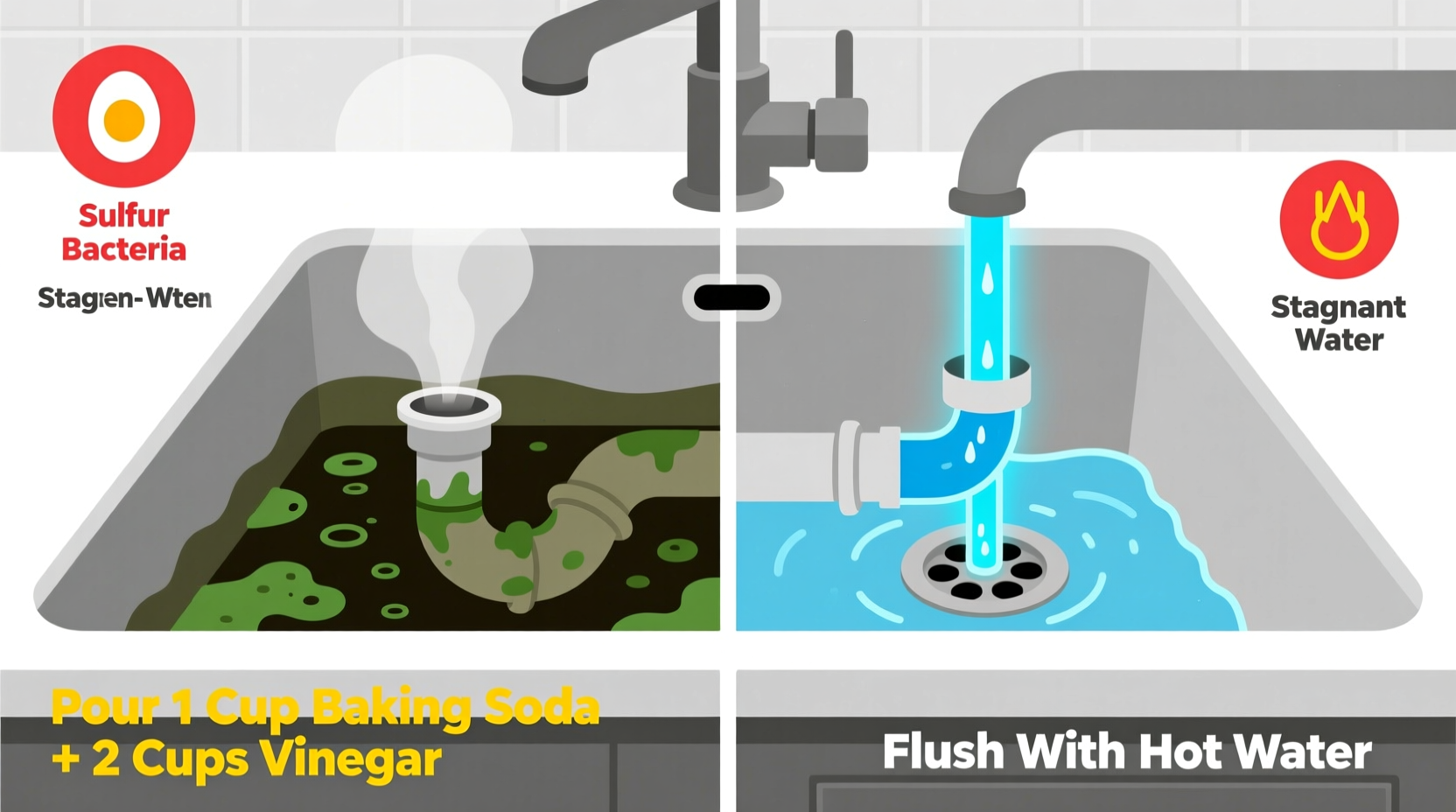
The primary culprit behind a sink smelling like rotten eggs is hydrogen sulfide gas. This colorless gas has a distinct, offensive odor even at very low concentrations—often described as similar to spoiled eggs, sewage, or burnt rubber. But where does it come from?
In most household cases, hydrogen sulfide originates from sulfate-reducing bacteria thriving in environments with little oxygen, such as water heaters, drainpipes, or well systems. These microorganisms convert naturally occurring sulfates in water into hydrogen sulfide gas during their metabolic process. The reaction intensifies when warm water, stagnant flow, or organic matter (like hair or grease) is present.
Another common contributor is the magnesium anode rod found in many tank-style water heaters. Designed to prevent corrosion, this sacrificial rod reacts chemically with sulfates and bacteria in the water, accelerating H₂S production. If only hot water smells, the heater is likely the epicenter.
It’s important to distinguish between:
- Smelly water from one fixture – Likely a localized drain issue.
- Smelly water from all faucets – Suggests a whole-house problem, possibly involving the water heater or main supply.
- Only cold water affected – Points to contamination in incoming water, especially if you use a private well.
“Hydrogen sulfide in household water isn’t usually dangerous at low levels, but it can corrode pipes, stain fixtures, and make water unpalatable. Identifying the source early prevents long-term damage.” — Dr. Alan Reeves, Environmental Health Specialist, Water Quality Association
Step-by-Step Guide to Eliminate the Odor Fast
Follow this systematic approach to pinpoint and resolve the issue within hours—not days.
- Isolate the Source
Run both hot and cold water separately from each sink. Note which taps produce the smell and whether it's consistent or intermittent. If only one sink is affected, focus on the drain. If all hot water smells, suspect the water heater. - Flush the Drain with Baking Soda and Vinegar
For single-fixture issues, pour ½ cup of baking soda down the drain followed by 1 cup of white vinegar. Let it foam for 15 minutes, then flush with boiling water. This kills odor-causing bacteria and clears organic buildup. - Clean the P-Trap
Place a bucket under the sink and unscrew the P-trap (the curved pipe beneath the drain). Remove any sludge or debris, scrub thoroughly, and reassemble. Repeating this monthly prevents recurrence. - Disinfect the Water Heater (If Hot Water Is Smelly)
Turn off power/gas and shut off the cold water inlet. Attach a hose to the drain valve and flush the tank completely. Then refill it with 1–2 quarts of 3% hydrogen peroxide or chlorine bleach. Let sit for 1–2 hours before draining again and refilling with clean water. - Replace or Upgrade the Anode Rod
If your water heater uses a magnesium anode rod, consider replacing it with an aluminum-zinc alloy version, which produces less H₂S. This simple $30 part swap can end chronic odors. - Shock Your Well (For Well Water Users)
If you rely on a private well, chlorinate the entire system. Mix liquid chlorine bleach with water (typically 1 quart per 100 gallons of well volume), pour into the casing, and circulate through all plumbing. Let stand for 12 hours, then flush until no chlorine smell remains. - Install a Filtration System (For Recurring Issues)
Persistent hydrogen sulfide may require a dedicated filter. Options include activated carbon filters (for low levels), oxidizing filters, or aeration systems (for high concentrations).
Do’s and Don’ts: Common Mistakes That Make It Worse
Many homeowners unintentionally prolong the problem by using ineffective or harmful methods. Use this table to avoid common pitfalls.
| Do’s | Don’ts |
|---|---|
| Use vinegar and baking soda to clean drains regularly | Ignore the smell—bacteria can multiply rapidly |
| Flush water heaters annually | Pour chemical drain cleaners frequently—they corrode pipes |
| Test well water yearly for sulfides and bacteria | Assume bottled water is the only solution—fix the root cause |
| Run water after long absences to prevent stagnation | Use excessive bleach in drains—it harms septic systems |
| Inspect anode rods every 2–3 years | Mix different chemicals (e.g., bleach + ammonia)—toxic fumes result |
Real Example: How One Homeowner Fixed a Chronic Smell
Sarah M., a homeowner in rural Pennsylvania, struggled with a worsening rotten egg odor from her kitchen sink for months. Initially, she assumed it was a clogged drain and used commercial foaming cleaners weekly. The smell returned each time, growing stronger in hot water.
After reading about anode rods, she called a plumber who inspected her 8-year-old water heater. The technician confirmed the magnesium rod was heavily corroded and reacting with sulfur in the groundwater. He replaced the rod with an aluminum-zinc alternative and performed a hydrogen peroxide flush.
Within 24 hours, the odor vanished. Sarah now schedules annual maintenance and tests her well water twice a year. “I wasted so much money on drain gels,” she said. “The real fix was inside the heater the whole time.”
Tips for Long-Term Prevention
Eliminating the smell once isn't enough. Prevent recurrence with these proactive measures:
- Run infrequently used faucets for 2–3 minutes weekly to prevent water stagnation.
- Clean aerators every few months—mineral deposits trap bacteria.
- Keep garbage disposals clean by grinding ice cubes and citrus peels weekly.
- Monitor water pH; acidic water (below 6.5) accelerates corrosion and H₂S formation.
- Install a whole-house filter if your area has high sulfur content or iron bacteria.
FAQ: Common Questions About Sink Odors
Is smelly sink water dangerous to drink?
In most cases, low levels of hydrogen sulfide are not a health hazard, though they make water unappealing. However, if the smell is due to sewage contamination or bacterial overgrowth, it could pose risks. If you suspect cross-contamination with waste lines, stop using the water and contact a plumber immediately.
Why does only my hot water smell like rotten eggs?
This almost always points to the water heater. The warm, oxygen-poor environment fosters sulfate-reducing bacteria, especially when combined with a reactive magnesium anode rod. Flushing and disinfecting the tank typically resolves the issue.
Can I fix this without professional help?
Yes—most causes can be addressed DIY with basic tools and household supplies. Only complex cases (like deep well contamination or failing filtration systems) require licensed professionals. Start with drain cleaning and water heater flushing before considering costly repairs.
Final Checklist: Eliminate the Smell in One Afternoon
Use this checklist to tackle the problem efficiently:
- ✅ Test hot and cold water at all sinks
- ✅ Clean affected drains with baking soda and vinegar
- ✅ Remove and clean the P-trap
- ✅ Disinfect the water heater with hydrogen peroxide
- ✅ Replace magnesium anode rod if necessary
- ✅ Flush all faucets to clear residual odor
- ✅ Schedule next maintenance date
Take Action Today—Your Water Shouldn’t Smell Like a Swamp
A sink that smells like rotten eggs is more than just embarrassing—it’s a sign that something in your plumbing system needs attention. Whether it’s a simple drain buildup or a deeper issue with your water heater or well supply, the solution is often straightforward and affordable. By understanding the science behind hydrogen sulfide and applying targeted fixes, you can restore fresh-smelling water in hours.
Don’t settle for air fresheners or temporary hacks. Address the root cause, implement preventive habits, and enjoy clean, odor-free water every time you turn on the tap. Your nose—and your plumbing—will thank you.




 浙公网安备
33010002000092号
浙公网安备
33010002000092号 浙B2-20120091-4
Comments
No comments yet. Why don't you start the discussion?