
Plastic tablecloths are a staple in many homes and event spaces due to their durability, affordability, and ease of cleaning. However, when stored improperly or exposed to temperature changes, they often develop stubborn wrinkles that can detract from their appearance. Unlike fabric, plastic cannot be ironed using traditional methods—doing so risks melting or warping the material. Fortunately, several safe, low-cost techniques can smooth out creases without compromising the integrity of the tablecloth. This guide provides practical, tested solutions that preserve the longevity and look of your plastic tablecoverings.
Understanding Plastic Tablecloth Materials
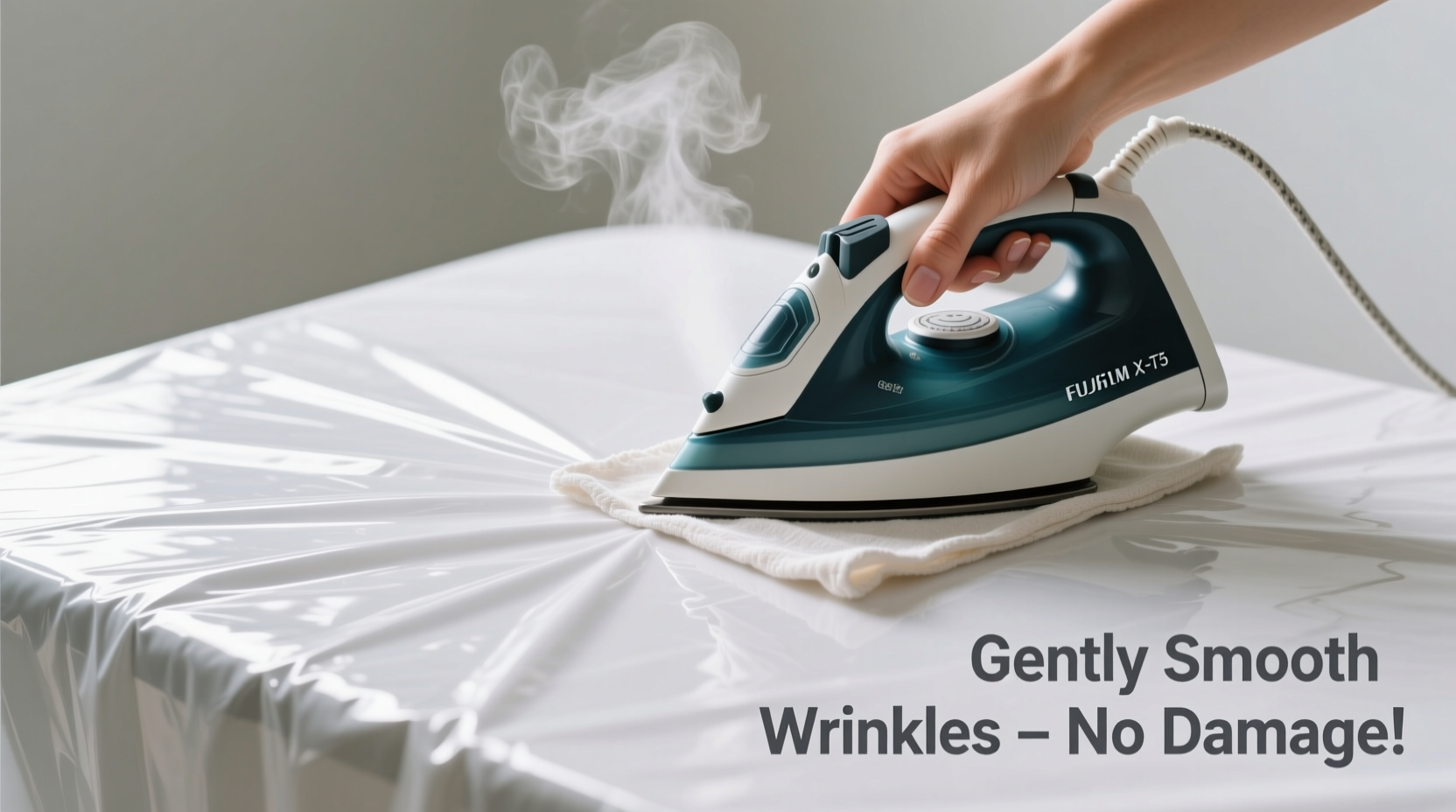
Before attempting any wrinkle removal method, it's essential to understand the type of plastic used in your tablecloth. Most are made from polyvinyl chloride (PVC), polyethylene (PE), or laminated vinyl. Each has different heat tolerances and flexibility characteristics:
- PVC: Durable and water-resistant but sensitive to high heat. Can soften at around 60–70°C (140–160°F).
- Polyethylene: Lightweight and flexible; commonly used in disposable cloths. Melts at lower temperatures than PVC.
- Laminated Vinyl: Often features a fabric backing with a plastic coating. Slightly more heat-resistant but still vulnerable to direct heat exposure.
Knowing the material helps determine which method is safest. When in doubt, test any technique on a small, inconspicuous area first.
Safe Heat-Based Wrinkle Removal Methods
Gentle warmth can relax the polymer structure of plastic, allowing wrinkles to naturally release. The key is controlled, indirect heat.
Using a Hairdryer
A hairdryer offers precise, adjustable heat and is one of the most accessible tools for this task.
- Lay the tablecloth flat on a clean, dry surface—preferably a large table or the floor.
- Set the hairdryer to low or medium heat (never high).
- Hold the dryer 15–20 cm (6–8 inches) away from the surface.
- Sweep slowly over wrinkled areas, moving in circular motions.
- As the plastic softens, gently smooth it with your hands or a soft cloth.
- Allow the cloth to cool completely before folding or storing.
Warm Water Method
This non-thermal approach uses the weight and warmth of water to flatten folds.
- Fill a bathtub or large sink with warm (not hot) water—around 40°C (105°F).
- Submerge the tablecloth fully and let it soak for 10–15 minutes.
- Remove and lay flat on a clean towel, smoothing out as much as possible by hand.
- Place another towel on top and gently press to absorb excess moisture.
- Hang or lay flat to air-dry completely, ensuring no sagging occurs during drying.
The combination of warmth and gravity helps realign the material’s shape without stress.
Non-Heat Techniques for Delicate or Thin Plastics
For thinner or heat-sensitive plastics, avoiding thermal methods altogether is wise. These alternatives rely on time, weight, and tension.
Weight Flattening Technique
This passive method works best for minor creases and storage-induced folds.
- Clean and dry the tablecloth thoroughly.
- Lay it on a flat surface such as a dining table or countertop.
- Smooth it out by hand as much as possible.
- Place heavy, flat objects—like books, baking trays, or cutting boards—over wrinkled areas.
- Leave undisturbed for 24–48 hours.
The sustained pressure gradually eases out wrinkles. For larger cloths, rotate weights periodically to cover all zones.
Rolling Method for Long-Term Storage
Instead of folding, rolling prevents deep creases from forming in the first place.
- After cleaning and drying, lay the cloth flat.
- Begin rolling it tightly from one end, like a scroll.
- Secure with twine or store in a tube (e.g., a wrapping paper roll).
Do’s and Don’ts: A Quick Reference Table
| Do’s | Don’ts |
|---|---|
| Use low heat with a hairdryer from a safe distance | Never apply direct heat from an iron or stove |
| Test methods on a small edge first | Avoid boiling water or steam |
| Store flat or rolled with protective layers | Don’t fold tightly for long periods |
| Smooth while warm or damp for better results | Never use abrasive cloths or scrubbing pads |
| Keep away from pets and sharp objects during treatment | Don’t hang wet cloths in direct sun—they may stretch |
Expert Insight on Plastic Care
“Plastic isn’t just ‘cheap fabric’—it’s a polymer-based material with specific care needs. Gentle manipulation and avoidance of extreme temperatures are key to maintaining its appearance and function.” — Dr. Lena Torres, Materials Scientist & Household Product Consultant
Dr. Torres emphasizes that treating plastic with the same respect as textiles leads to longer usability and better aesthetics. She recommends preventive strategies—like proper storage—as more effective than corrective fixes.
Real-Life Example: Restoring a Wedding Event Tablecloth
Jamie, a home host who frequently organizes family gatherings, reused a white plastic tablecloth stored folded in a garage for six months. Upon unfolding, she found deep diagonal creases that made the cloth look unattractive. Rather than discarding it, she tried the hairdryer method on low heat, smoothing each section as it warmed. After 20 minutes of careful work, the cloth was nearly flawless. She then rolled it with tissue paper between layers and stored it vertically in a linen closet. Six months later, it remained wrinkle-free and ready for reuse.
This case illustrates how minor effort and the right technique can extend the life and appearance of everyday household items.
Frequently Asked Questions
Can I use an iron on a plastic tablecloth?
No, standard irons operate at temperatures far exceeding what plastic can tolerate—typically 110°C (230°F) or higher—which will melt or bubble the surface. Even with a pressing cloth, the risk is too great. Use safer alternatives like a hairdryer or warm water soak instead.
Will wrinkles come back after treatment?
Wrinkles can reappear if the cloth is refolded or stored improperly. To prevent recurrence, adopt a rolling or flat-storage method. Avoid compressing the material under heavy objects for extended periods unless intentionally flattening.
Are there commercial products for smoothing plastic?
While no mainstream products are marketed specifically for wrinkle removal on tablecloths, some anti-fog sprays or vinyl conditioners can improve flexibility and reduce static cling, indirectly helping maintain a smoother surface. Always patch-test first.
Step-by-Step Checklist for Wrinkle-Free Results
- Identify the type of plastic (if label is available)
- Clean and dry the tablecloth completely
- Choose a method based on thickness and sensitivity
- Apply gentle heat or weight evenly across wrinkled zones
- Allow full cooling or drying time before handling
- Store properly to prevent future creasing
Conclusion: Preserve Functionality and Appearance with Smart Care
Removing wrinkles from plastic tablecloths doesn’t require special tools or chemicals—just patience and the right approach. Whether using controlled heat, water relaxation, or passive weighting, these techniques restore smoothness safely and effectively. More importantly, adopting mindful storage habits prevents wrinkles before they start. With minimal effort, you can keep plastic tablecoverings looking neat, presentable, and ready for any occasion. Start applying these strategies today and make the most of a simple yet essential household item.




 浙公网安备
33010002000092号
浙公网安备
33010002000092号 浙B2-20120091-4
Comments
No comments yet. Why don't you start the discussion?