
Energy prices are rising, and concerns about grid reliability and environmental impact continue to grow. More homeowners are looking for ways to take control of their power supply. Generating your own electricity at home is no longer a futuristic dream—it's a practical reality. With advancements in technology and falling equipment costs, it’s now easier than ever to produce clean, renewable energy right where you live. From rooftop solar panels to small-scale wind turbines, there are several accessible methods that require minimal technical expertise and deliver real savings over time.
Solar Power: The Most Accessible Option
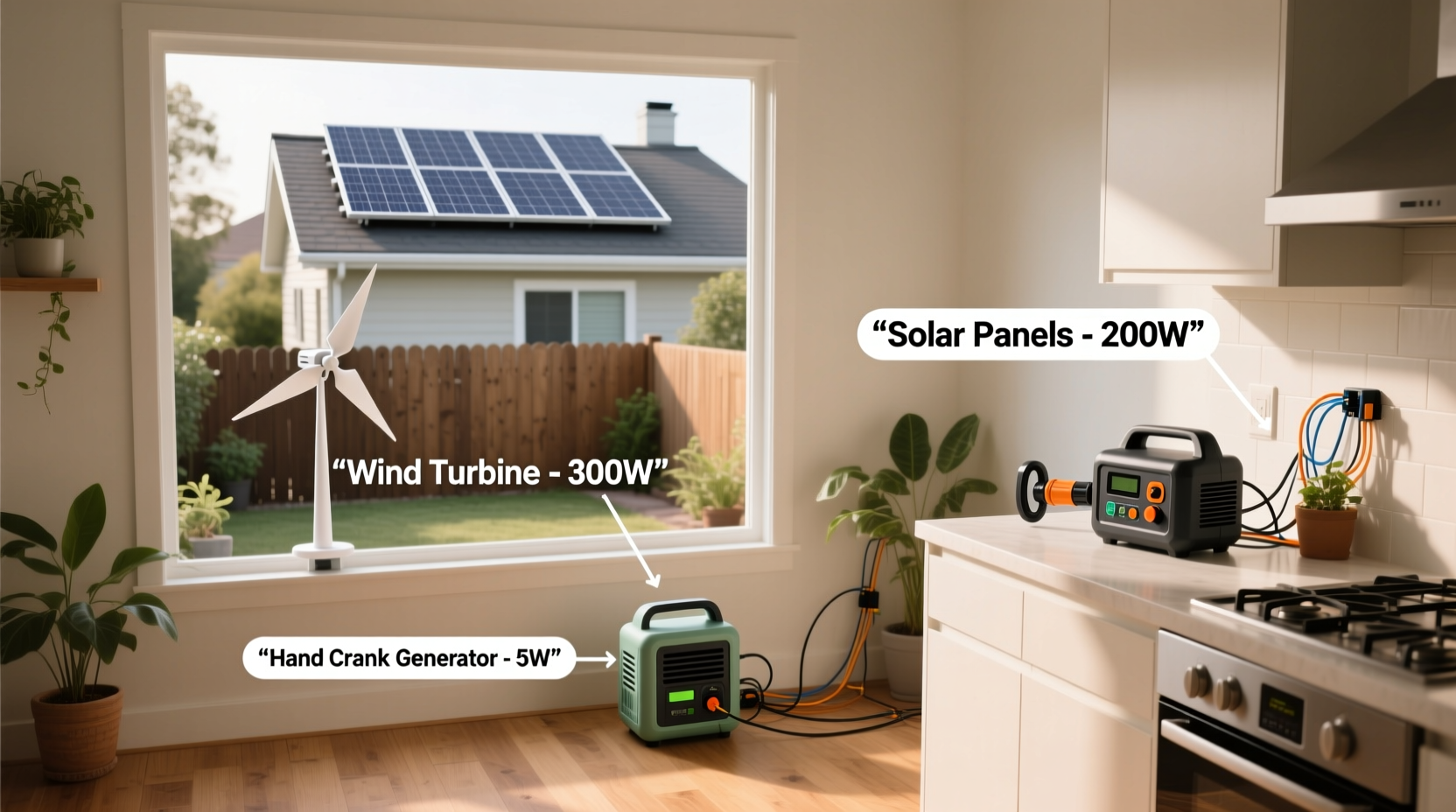
Solar photovoltaic (PV) systems are the most popular and practical way for homeowners to generate electricity. Solar panels convert sunlight directly into usable electrical power. Modern systems are modular, scalable, and can be installed on rooftops, ground mounts, or even integrated into building materials like solar shingles.
A typical residential solar setup includes solar panels, an inverter to convert DC power to AC, mounting hardware, and optionally, battery storage. Grid-tied systems allow excess power to be fed back into the utility grid, often earning credits through net metering programs. Off-grid systems rely on batteries to store energy for use when the sun isn’t shining.
Key Components of a Home Solar System
- Solar Panels: Capture sunlight and generate direct current (DC).
- Inverter: Converts DC into alternating current (AC) used by household appliances.
- Mounting System: Secures panels to roof or ground with proper tilt and orientation.
- Battery Bank (optional): Stores surplus energy for nighttime or cloudy days.
- Charge Controller: Regulates voltage and current going to batteries to prevent overcharging.
“Solar energy is now the cheapest form of new electricity in most parts of the world.” — Fatih Birol, Executive Director, International Energy Agency
Small Wind Turbines for Consistent Output
If you live in a rural or semi-rural area with consistent wind, a small wind turbine can be a powerful supplement to solar. These turbines typically range from 400 watts to 10 kilowatts and can be mounted on towers between 30 and 100 feet high to capture stronger winds above ground-level turbulence.
Wind energy works best in locations with average annual wind speeds of at least 10 mph (4.5 m/s). Unlike solar, wind can generate power day and night, especially during stormy or overcast weather—making it a valuable complement to solar systems.
Considerations Before Installing a Wind Turbine
- Check local zoning laws and homeowner association rules.
- Ensure sufficient land and clearance from trees or buildings.
- Assess average wind speed using historical data or an anemometer.
- Maintain a safe distance from power lines and living spaces due to noise and safety concerns.
Micro-Hydro Systems: Harnessing Flowing Water
If your property includes a stream or creek with consistent flow, micro-hydroelectric systems offer one of the most reliable forms of renewable energy. Unlike solar and wind, which depend on weather conditions, a well-designed hydro system can generate electricity 24/7.
These systems use the kinetic energy of flowing water to turn a turbine connected to a generator. Key components include a water intake, pipeline (penstock), turbine, generator, and control system. While installation requires more upfront planning and permits, micro-hydro can deliver high returns over decades with minimal maintenance.
Feasibility Checklist for Micro-Hydro
- Confirm year-round water flow in your stream.
- Measure vertical drop (head) and flow rate (gallons per minute).
- Obtain necessary permits from local water authorities.
- Design system layout to minimize environmental disruption.
- Connect to battery bank or inverter for household use.
“A single gallon of water falling 100 feet per minute can generate about 50 watts continuously—enough to power LED lighting in an off-grid cabin.” — Dr. Alan Wallace, Renewable Energy Engineer
Practical DIY Solutions for Low-Cost Generation
Not every home has ideal conditions for large-scale renewables, but even modest setups can make a difference. Several low-cost, do-it-yourself options exist for generating small amounts of electricity—perfect for emergency backup, outdoor sheds, or powering electronics.
DIY Electricity Generation Ideas
- Solar USB Chargers: Small portable panels charge phones and tablets.
- Bicycle Generators: Pedal-powered systems can run lights or charge batteries.
- Thermoelectric Generators: Convert heat differentials (e.g., wood stoves) into electricity via Peltier modules.
- Hand-Crank Devices: Useful for emergencies; some models include built-in radios and flashlights.
| Method | Estimated Output | Best For | Cost Range |
|---|---|---|---|
| Rooftop Solar (5kW) | 400–700 kWh/month | Whole-home power | $10,000–$18,000 |
| Small Wind (1kW) | 100–300 kWh/month | Rural homes with steady wind | $3,000–$8,000 |
| Micro-Hydro (2kW) | 1,400–3,000 kWh/month | Properties with flowing water | $8,000–$15,000 |
| Dorm-Sized Solar Kit | 50–100 Wh/day | Charging devices, lighting | $100–$300 |
Real Example: A Family’s Journey to Energy Independence
The Thompson family lives on a five-acre property in upstate New York. Frustrated by frequent winter power outages and rising utility bills, they decided to generate their own electricity. They started with a 3-kilowatt solar array on their barn roof, paired with a 10-kWh lithium battery bank. Within six months, they added a 1-kilowatt wind turbine after confirming strong autumn and winter winds.
Today, their hybrid system covers 80% of their electricity needs. During sunny summer days, they export surplus power to the grid. In winter, wind compensates for shorter daylight hours. They also installed a thermoelectric generator on their wood stove, producing enough power to run a fan and charge phones during extended outages. Their total investment was around $22,000, but federal tax credits covered 30%, and they expect full payback within nine years.
Frequently Asked Questions
Can I really power my entire house with homemade electricity?
Yes, but it depends on your energy usage, location, and system size. A properly sized solar-plus-battery system can cover 100% of needs for many households. Adding wind or hydro increases reliability. Conduct an energy audit first to understand your consumption.
Do I need permission to install a home generation system?
Most areas require permits and inspections for systems connected to the grid. Solar installations usually need approval from your utility company for interconnection. Off-grid systems may have fewer regulatory hurdles but still benefit from professional design.
What happens during storms or prolonged cloudy periods?
If you're grid-tied, the utility automatically supplies power when your system isn't producing enough. Off-grid systems rely on battery storage and sometimes backup generators. Sizing your battery bank correctly ensures multi-day autonomy.
Step-by-Step Guide to Getting Started
- Assess Your Energy Needs: Review past electricity bills to determine average monthly usage in kWh.
- Evaluate Your Site: Check sun exposure, wind patterns, or water flow depending on the method.
- Set a Budget: Include equipment, installation, permits, and potential incentives.
- Research Incentives: Look into federal tax credits, state rebates, and utility programs.
- Get Quotes or Design DIY: Compare professional installers or plan your own system using reputable guides.
- Install and Commission: Follow safety codes and consider hiring an electrician for final connections.
- Monitor and Optimize: Use energy monitoring tools to track performance and adjust usage habits.
Conclusion
Generating your own electricity at home is not only possible—it’s increasingly practical and affordable. Whether you start with a simple solar panel for charging devices or build a full hybrid system combining solar, wind, and storage, every step brings greater control over your energy future. You reduce dependence on volatile utility rates, lower your carbon footprint, and enhance resilience against outages. With careful planning and incremental investments, you can transform your home into a mini power station.




 浙公网安备
33010002000092号
浙公网安备
33010002000092号 浙B2-20120091-4
Comments
No comments yet. Why don't you start the discussion?