
Carrying a bus card is part of daily life for millions of commuters. Whether you use a transit pass, student ID with fare integration, or a reloadable smart card, keeping it safe and accessible matters. One common challenge: how to securely attach a keychain to your card holder without compromising durability, security, or functionality. Many people resort to makeshift solutions—like taping keys directly or forcing holes in plastic—that can damage the card or lead to accidental deactivation. This guide explores practical, tested ways to combine convenience with safety when attaching a keychain to your bus card holder.
Why Secure Attachment Matters
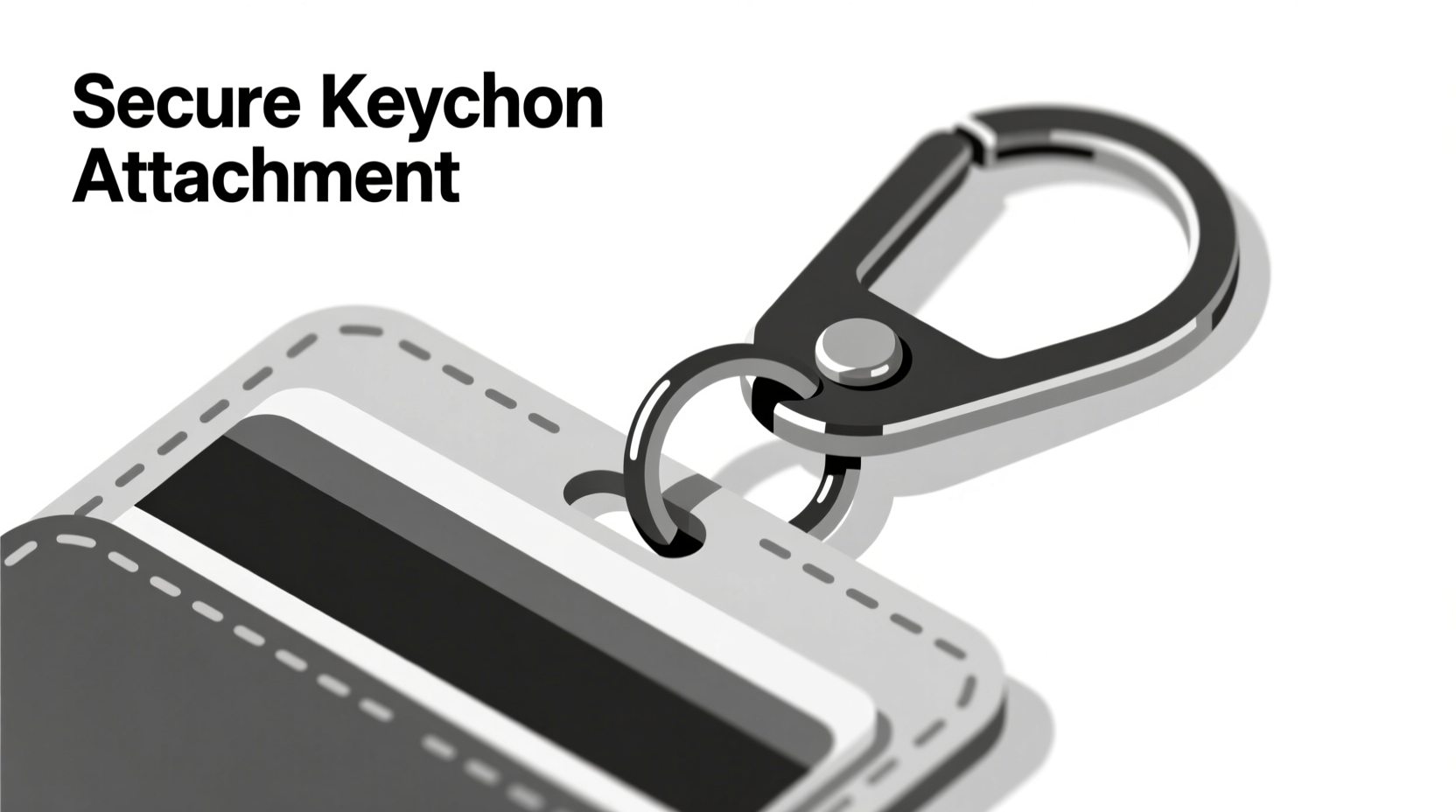
Your bus card is more than just a piece of plastic—it's often linked to stored value, personal data, or even banking information. A lost or damaged card means inconvenience, potential financial loss, and time spent replacing it. Adding a keychain offers quick access and reduces the chance of misplacing either item. However, improper attachment can backfire: magnetic interference, cracked casings, or torn lanyard loops are common issues. The goal is to keep both items together while preserving their integrity and usability.
Choosing the Right Keychain Type
Not all keychains work equally well with bus card holders. Some add bulk, others create snag hazards, and a few interfere with scanning technology. Understanding your options helps avoid mistakes.
- Split rings: Small metal circles that twist open; ideal for threading through existing loops but can be stiff to manipulate.
- Lobster clasps: Spring-loaded hooks offering secure closure; excellent for connecting accessories without permanent modification.
- Key clips: Flat metal or plastic clips that slide onto pockets or straps; sleek and low-profile, perfect for minimalist carry.
- Retractable reels: Extendable cords mounted on clips; useful if you frequently scan cards but increase swing weight.
Selecting one depends on your carrying habits, clothing style, and whether your card holder already has an attachment point.
Step-by-Step: Attaching Without Damage
The safest method preserves your card holder’s original structure. Follow this timeline to integrate a keychain securely:
- Inspect the holder: Check for built-in loops, slots, or reinforced edges. Many modern holders include a small hole or strap specifically for attachments.
- Choose compatible hardware: Match the keychain type to available openings. For example, use a lobster clasp if there's a D-ring, or a split ring if there’s only a small loop.
- Test alignment: Attach temporarily and carry it during a short trip. Ensure it doesn’t catch on clothing or obstruct scanning.
- Secure connections: Double-check that clasps are fully closed and rings are tightly twisted shut.
- Monitor over time: After a week of regular use, inspect for wear, especially around stress points.
This process minimizes risk while confirming long-term viability before committing to any semi-permanent solution.
Alternative Methods Compared
Different situations call for different approaches. Below is a comparison of popular techniques based on security, ease of use, and impact on the card.
| Method | Security Level | Ease of Use | Risk to Card | Best For |
|---|---|---|---|---|
| Using existing loop + split ring | High | Medium | Low | Standard wallets with eyelets |
| Lobster clasp on D-ring | Very High | High | None | Outdoor commuters needing reliability |
| Adhesive key leash (non-permanent) | Medium | High | Low (if removed carefully) | Leather or fabric sleeves |
| Drilled hole with jump ring | High | Low | High (voids warranty, risks chip damage) | Disposable or backup cards only |
| Magnetic key holder patch | Medium | Very High | Moderate (risk of magnetic interference) | Non-RFID-sensitive environments |
As shown, non-invasive methods consistently offer better balance between convenience and protection.
Real Example: Commuter Struggles Turned Solution
Jessica, a university student in Vancouver, used her student ID as a bus pass clipped to her backpack zipper. She added a keychain by punching a hole in the corner of the cardholder with a hole punch. Within two weeks, the plastic cracked along the edge, exposing the internal circuitry. During a rainy commute, moisture seeped in and disabled the card. It took three days to get a replacement, during which she paid cash fares totaling nearly $50. After consulting campus transit services, she switched to a slim silicone card sleeve with a pre-molded loop. She now uses a micro lobster clasp to connect a compact keychain containing just her house key. No modifications were needed, and after six months of heavy use, both items remain intact and functional.
Expert Insight on Material Safety
“Physical stress and electromagnetic fields are the two biggest threats to smart card longevity. Avoid drilling, bending, or stacking magnets near your transit card.” — Dr. Alan Zhou, Electronics Durability Researcher at Urban Mobility Lab
This advice underscores why seemingly harmless hacks—like gluing magnets or cutting custom slots—can have hidden consequences. Even minor structural changes can propagate microfractures that worsen over time.
Checklist: Safe Keychain Integration
Before finalizing your setup, go through this checklist to ensure safety and functionality:
- ✅ Confirm your card holder has a designated attachment point
- ✅ Choose a keychain with smooth edges to prevent snags
- ✅ Verify that no part of the keychain covers the card’s scan zone
- ✅ Test scanning performance after attachment
- ✅ Inspect weekly for signs of strain or loosening
- ✅ Keep spare keys separate in case the primary set is lost
Completing these steps ensures your system works reliably under real-world conditions.
Frequently Asked Questions
Can I use a metal ring without affecting the card’s signal?
Yes, most metals like stainless steel or aluminum don’t block RFID signals significantly, provided they don’t fully encircle the chip area. Keep metal components away from the center third of the card where antennas are typically embedded.
What if my card holder has no loop or hole?
Consider upgrading to a purpose-built wallet-style holder with integrated attachment points. Alternatively, use a removable elastic key leash that wraps around the entire holder without adhesives or punctures.
Is it safe to attach keys via a lanyard?
Lanyards are generally safe if made from non-conductive materials and not wrapped tightly around the card. However, they increase visibility and may attract unwanted attention in crowded areas. Use discretion based on your environment.
Final Thoughts and Action Steps
Attaching a keychain to your bus card holder shouldn’t mean sacrificing security or longevity. With thoughtful selection and proper technique, you can enjoy the benefits of combined carry—quick access, reduced clutter, fewer items to lose—without compromising your card’s function. Start by evaluating your current holder, then apply one of the low-risk methods outlined here. Monitor its performance over a few days, make adjustments as needed, and settle into a routine that works for your lifestyle.




 浙公网安备
33010002000092号
浙公网安备
33010002000092号 浙B2-20120091-4
Comments
No comments yet. Why don't you start the discussion?