
Car keys are among the most frequently used personal items, yet their organization is often overlooked until jangling metal becomes a nuisance or a critical key goes missing. A well-attached key ring can streamline access, reduce clutter, and prevent accidental loss. The challenge lies in doing it securely—without damaging the key fob, weakening the attachment point, or requiring specialized tools. Fortunately, there are several practical, low-effort methods that deliver durability and convenience. Whether you're upgrading from a flimsy split ring or adding a secondary loop for easier access, these techniques ensure your keychain stays intact through daily wear and tear.
Why Proper Key Ring Attachment Matters
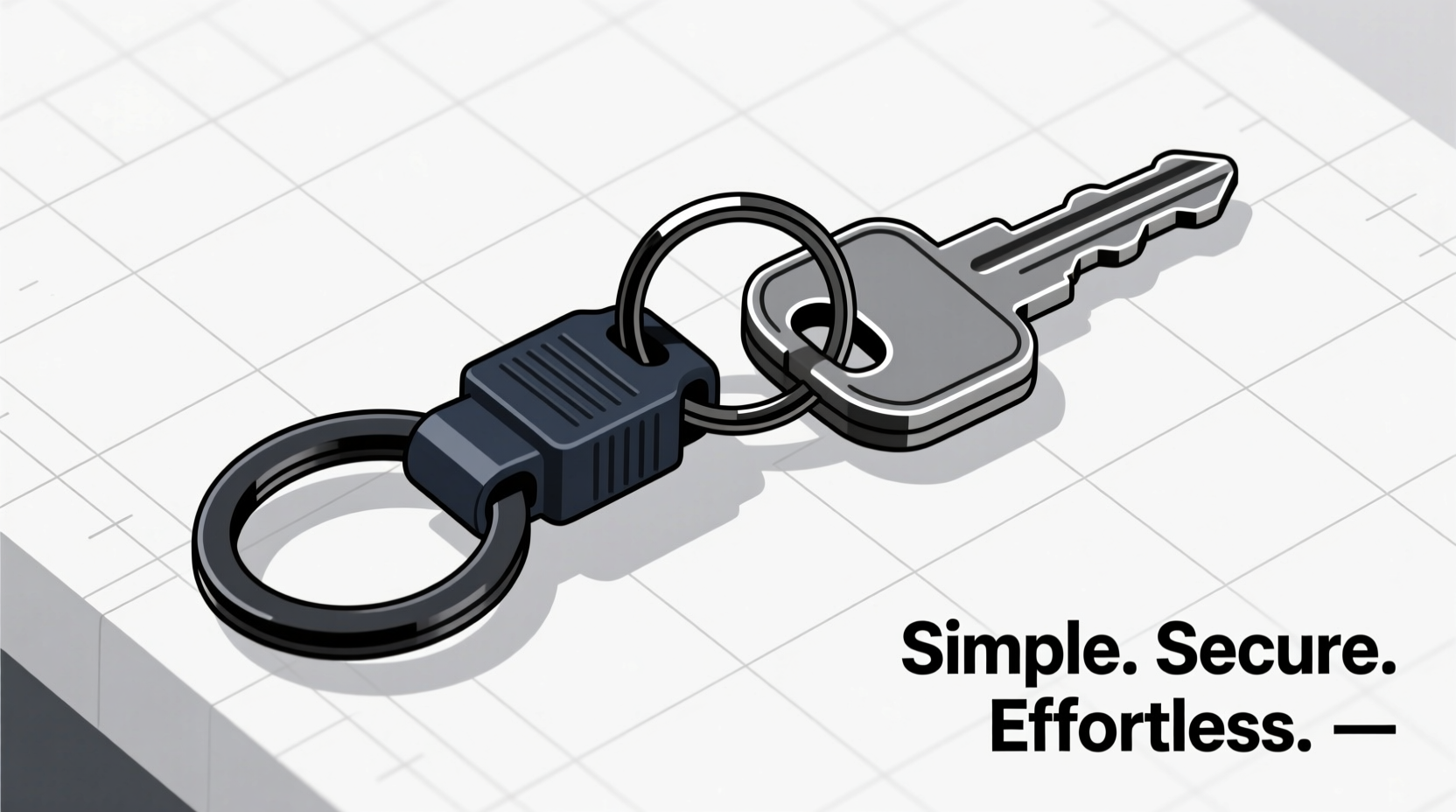
A poorly secured key ring isn’t just inconvenient—it can lead to lost keys, damaged fobs, or even compromised vehicle security. Modern car keys often include electronic components like transponders, remote unlock systems, or proximity sensors. Rough handling during attachment can crack casings or misalign internal circuitry. Additionally, traditional split rings are prone to springing open when keys are added or removed, especially if forced with fingers or improvised tools.
The goal is to achieve a balance: secure enough to stay closed under stress, easy enough to use daily, and gentle on both metal and plastic components. Done right, a properly attached key ring enhances functionality without sacrificing safety or longevity.
“Most key failures begin not with the lock mechanism, but with repeated stress at weak connection points.” — James Rourke, Automotive Locksmith & Security Consultant
Step-by-Step Guide: How to Attach a Key Ring Safely
Follow this methodical approach to add a key ring to your car keychain without risking damage or future detachment.
- Choose the Right Key Ring Type: Opt for a double-loop twist ring (also called a “European-style” ring) or a reinforced barrel clip instead of a standard split ring. These designs distribute pressure more evenly and resist accidental opening.
- Inspect Your Key Fob’s Attachment Hole: Look for signs of previous wear, cracks, or deformation. If the hole is already stretched, consider using a protective washer or switching to a clip-on organizer.
- Use a Key Ring Tool (Optional but Helpful): A small metal hook tool designed for expanding split rings allows controlled opening without bending the ring excessively. If unavailable, use a sturdy paperclip straightened at one end.
- Open the Ring Gently: Insert the tool into the gap of the split ring and twist slowly to widen the opening just enough to slide on additional keys or connectors. Avoid prying sideways, which can weaken the metal.
- Add Keys in Order of Use: Place frequently accessed items (like house keys) closer to the outer edge for quick removal. Keep the car fob near the center to minimize strain on its attachment point.
- Close the Ring Fully: Once all items are added, rotate the tool back to close the gap completely. Ensure no sharp edges protrude that could snag fabric or skin.
- Test for Security: Shake the chain gently and tug on each item individually. Nothing should slip off or shift unnaturally.
Alternative Secure Attachment Methods
If traditional rings feel outdated or unreliable, modern alternatives offer improved performance and aesthetics.
- Magnetic Key Holders: Compact magnetic strips or discs allow tool-free attachment. Ideal for minimalist users who carry few keys. Choose neodymium magnets rated for at least 5 lbs pull force.
- Key Clips with Locking Mechanisms: Brands like Nite Ize or KeySmart offer sliding or rotating clips that lock keys in place with a button or lever release.
- Paracord Loops with Shrink Tubing: For DIY enthusiasts, a braided paracord loop fused with heat-shrink tubing creates a lightweight, durable lanyard alternative.
- Key Organizers with Hinges: Flat, wallet-style organizers hold multiple keys inside a single metal or polymer body, reducing bulk and eliminating dangling rings entirely.
Comparison of Key Ring Types
| Type | Security Level | Ease of Use | Durability | Best For |
|---|---|---|---|---|
| Standard Split Ring | Low-Medium | Medium | Medium | Basic key sets, low-cost solution |
| Twist (Double Loop) Ring | High | High | High | Frequent use, heavy keychains |
| Magnetic Holder | Medium | Very High | Medium | Minimalists, quick access needs |
| Locking Key Clip | Very High | High | Very High | Active lifestyles, outdoor use |
| Key Organizer Case | High | Medium | Very High | Travelers, professionals |
Real-World Example: Preventing Daily Frustration
Sarah, a nurse working 12-hour shifts, used to lose her car key fob weekly. It would slip out of her pocket when reaching for gloves or scrubs, often landing in hospital corridors or break room floors. Her original split ring had widened over time, making it easy for keys to fall off. After switching to a twist-style double-loop ring and reorganizing her chain so the fob was anchored closest to the core, she hasn’t misplaced it in over eight months. She now opens the ring only when necessary, using a mini key ring tool kept in her desk drawer. The change took less than five minutes but significantly reduced her stress and saved time.
Essential Checklist Before Attaching a Key Ring
Before modifying your keychain, run through this quick verification list:
- ☑ Confirm the new key ring is compatible with your fob’s hole size (typically 6–8mm)
- ☑ Check that no electronic components sit directly beneath the attachment point
- ☑ Test the strength of the existing ring—if it bends easily, replace it
- ☑ Decide whether you want quick-release access or maximum security
- ☑ Gather necessary tools: key ring opener, pliers (for crimping), or lubricant
- ☑ Plan the order of keys based on frequency of use
Frequently Asked Questions
Can I attach a key ring without removing existing keys?
Yes, but only if using a twist ring or magnetic holder. Standard split rings require partial disassembly to open safely. Attempting to force them while fully loaded increases the risk of snapping the ring or scratching keys.
Will attaching a new ring void my car key warranty?
In most cases, no—unless the modification involves drilling, cutting, or adhesive bonding that alters the manufacturer’s design. Simply replacing the ring or using an external clip does not typically affect warranty coverage.
How often should I inspect my key ring for wear?
Every 3–6 months, especially if you carry more than three items on your chain. Look for gaps in split rings, corrosion, or wobbling at the fob connection. Replace worn parts immediately to avoid sudden failure.
Final Thoughts: Small Change, Big Impact
Attaching a key ring may seem trivial, but done correctly, it enhances daily efficiency and protects a vital piece of technology. The right method combines ease of access with long-term reliability, reducing the chances of losing access to your vehicle or home. Whether you opt for a classic twist ring, a sleek organizer, or a magnetic solution, prioritize quality materials and thoughtful arrangement. A few minutes invested today can save hours of searching tomorrow.




 浙公网安备
33010002000092号
浙公网安备
33010002000092号 浙B2-20120091-4
Comments
No comments yet. Why don't you start the discussion?