
If you’ve ever dipped a toe into the world of cryptocurrency, you’ve likely heard the term “crypto wallet.” It sounds important—maybe even intimidating. But here’s the truth: a crypto wallet isn’t as complicated as it seems. You don’t need to be a computer scientist or a finance expert to understand how it works. Think of it like your digital backpack for holding money, except instead of cash and credit cards, it holds access to your digital assets.
The confusion usually starts with misleading terms. Despite the name, crypto wallets don’t actually store your coins. Your Bitcoin or Ethereum aren’t sitting inside an app on your phone like files in a folder. Instead, your wallet gives you control over who can spend that money. It’s all about keys—specifically, private keys—and knowing how to use them safely is the real foundation of owning cryptocurrency.
What a Crypto Wallet Actually Does
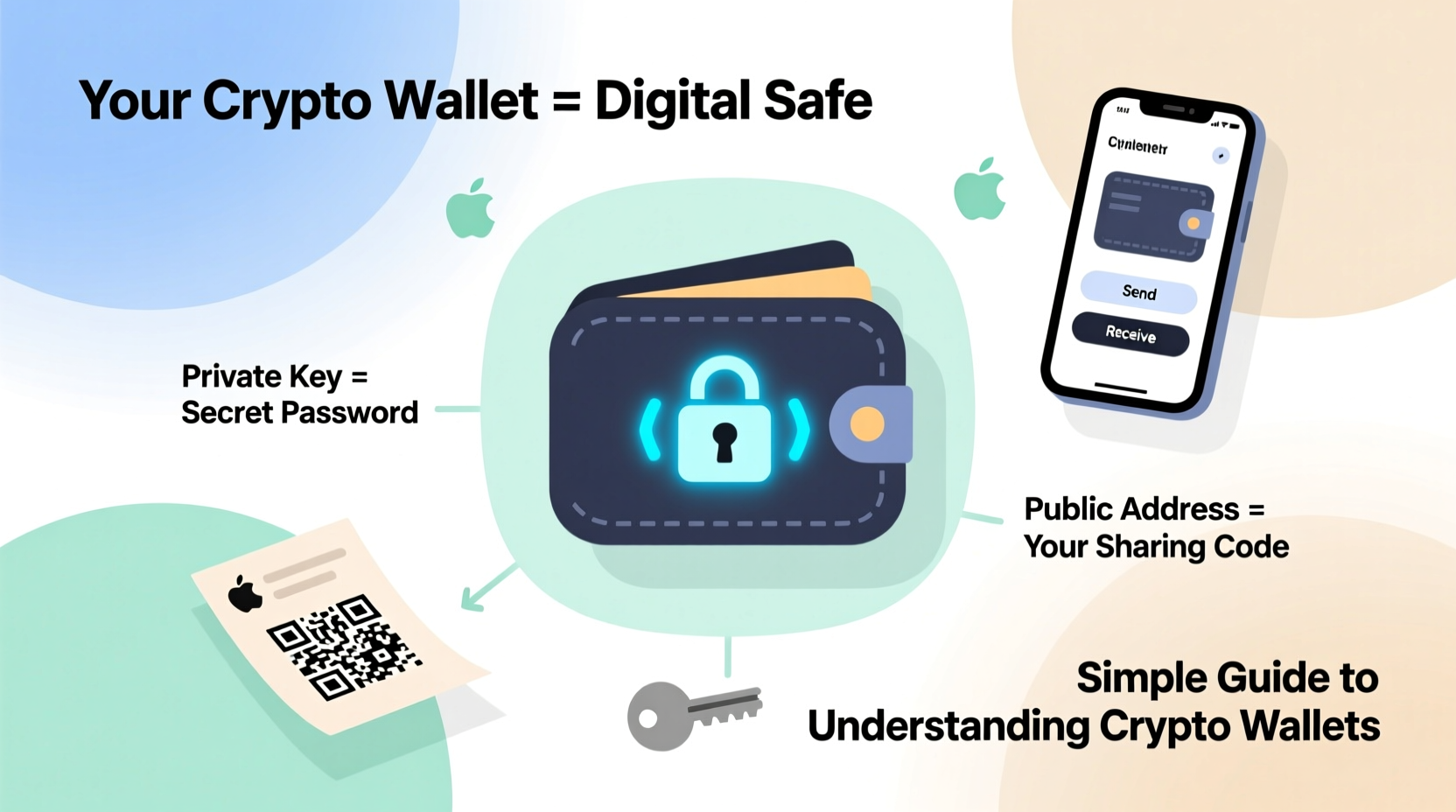
To understand crypto wallets, forget everything you know about physical wallets. This isn’t about storing value—it’s about proving ownership. Every cryptocurrency transaction is recorded on a public ledger called the blockchain. When you “own” 1 Bitcoin, what you really have is the ability to sign a message that says, “I am allowed to send this Bitcoin to someone else.” That signature comes from your private key.
Your wallet stores this private key securely and helps you create those signed messages when you want to send crypto. It also shows you how much you own by checking the blockchain for transactions linked to your public address—the part anyone can see and send funds to, kind of like your bank account number (but not exactly).
So, in plain terms:
- Public Address: Like your email address. Share it freely so people can send you crypto.
- Private Key: Like your password and fingerprint combined. Never share it. Losing it means losing access forever.
- Wallet: The tool that manages both and lets you interact with the blockchain.
Types of Crypto Wallets: Which One Is Right for You?
Not all wallets are created equal. Some are designed for convenience, others for maximum security. Choosing the right one depends on how much crypto you hold, how often you trade, and how comfortable you are managing digital tools.
1. Software Wallets (Hot Wallets)
These are apps or programs installed on your phone or computer. They’re connected to the internet, which makes them easy to use but more vulnerable to hackers.
Examples include MetaMask (popular for Ethereum and NFTs), Trust Wallet, and Exodus. Great for beginners and active traders who make frequent transactions.
2. Hardware Wallets (Cold Wallets)
These look like USB drives and store your private keys offline. Because they’re not connected to the internet unless you're making a transaction, they’re much safer from online threats.
Popular models include Ledger and Trezor. Ideal if you’re holding a significant amount of crypto long-term.
3. Paper Wallets
A printed sheet with your public address and private key as QR codes. Completely offline—but fragile. If the paper burns, gets wet, or is lost, so is your crypto. Rarely recommended today due to risk of damage and lack of usability.
4. Web-Based Wallets
Wallets built into exchanges like Coinbase or Binance. Convenient because you can buy and manage crypto in one place, but technically, you don’t fully control your keys. If the exchange shuts down or gets hacked, your funds could be at risk.
“We often say ‘not your keys, not your crypto.’ If a third party controls your private keys, you’re trusting them with your money.” — Andreas Antonopoulos, Bitcoin Security Expert
How to Set Up a Wallet Safely: A Step-by-Step Guide
Getting started doesn’t require technical skills—just attention to detail. Here’s how to set up a software wallet properly, using a common mobile app as an example:
- Download from the official source. Only install wallet apps from the developer’s official website or verified app stores. Avoid third-party links.
- Create a new wallet. Open the app and choose “Create New Wallet” or similar. Don’t import yet—that’s for later.
- Write down your recovery phrase. The app will generate a 12- or 24-word backup phrase. This is your master key. Write it down on paper—never save it digitally (no screenshots, no notes apps).
- Store the phrase securely. Keep it in a safe place, like a fireproof safe. Do not share it with anyone.
- Verify the backup. Most wallets will ask you to re-enter the words in order. This ensures you wrote them correctly.
- Add funds. Use the “Receive” function to get your public address. Share this with someone sending you crypto or use it when buying on an exchange.
- Test with a small amount first. Before sending large sums, send a tiny amount to confirm everything works.
Common Mistakes That Lead to Lost Crypto
Crypto is unforgiving. Unlike banks, there’s no customer service hotline to reset your password or recover your account. Once access is gone, it’s gone for good. These mistakes happen more often than you think:
| Mistake | Why It’s Risky | How to Avoid It |
|---|---|---|
| Storing recovery phrase in a digital file | Hacked devices can expose your keys | Write it on paper and keep it offline |
| Using a weak password on a wallet app | Easy to brute-force guess | Use a strong, unique password and enable biometrics |
| Sharing private keys or recovery phrases | Gives full control to someone else | Treat it like handing over your house keys and ID |
| Buying used hardware wallets | Could be preloaded with malware | Always buy new from official retailers |
| Forgetting where you stored the backup | No access = permanent loss | Keep it in a secure, memorable location |
Real Example: Sarah’s Recovery Story
Sarah bought $500 worth of Ethereum in 2020 using a mobile wallet. She wrote her 12-word recovery phrase on a sticky note and stuck it under her keyboard. Months later, she spilled coffee on her phone and it stopped working. When she tried to restore her wallet on a new device, she realized the sticky note was gone—wiped away during cleanup.
She had no backup. No way to prove ownership. Her crypto remained on the blockchain, untouched, but completely inaccessible. That $500 was effectively lost forever.
After learning about hardware wallets and proper storage, Sarah repurchased crypto and stored her new recovery phrase in a fireproof home safe. She now checks it annually and has shared its location only with her spouse.
Your Essential Crypto Wallet Checklist
Before you start using a crypto wallet, go through this checklist to protect your assets:
- ✅ Downloaded the wallet from an official source
- ✅ Written down the recovery phrase by hand
- ✅ Stored the recovery phrase in a secure, offline location
- ✅ Verified the recovery phrase by retyping it in the app
- ✅ Avoided taking photos or saving the phrase digitally
- ✅ Set a strong passcode or biometric lock on the device
- ✅ Tested with a small transaction before sending larger amounts
- ✅ Educated yourself on phishing scams and fake websites
Frequently Asked Questions
Can I have more than one crypto wallet?
Absolutely. Many people use multiple wallets for different purposes. For example, a hot wallet for daily spending and a hardware wallet for long-term savings. Just like you might have a checking account and a savings account, different wallets serve different roles.
What happens if I lose my wallet or phone?
If you have your recovery phrase, you can restore your wallet on any compatible device. Your crypto isn’t tied to the phone or app—it’s tied to the private key, which the recovery phrase can regenerate. Without the phrase, however, the funds are lost permanently.
Are crypto wallets free?
Most software wallets are free to download and use. Hardware wallets cost between $50 and $150, but that’s a small price compared to the value they protect. Be cautious of “premium” wallets that charge high fees—open-source, community-trusted options are usually safer.
Final Thoughts: Ownership Starts With Responsibility
Crypto gives you unprecedented control over your money. No bank, no gatekeeper, no middleman. But with that freedom comes responsibility. Your wallet isn’t just a tool—it’s the key to your financial autonomy. Understanding how it works doesn’t require technical fluency, but it does require care, awareness, and a willingness to learn.
You don’t need to become a blockchain engineer. You just need to respect the basics: guard your recovery phrase, verify sources, and never rush into a transaction without double-checking where you’re sending funds.
Whether you’re holding a few dollars’ worth or planning for the long term, getting your wallet setup right is the most important step you’ll take. Do it once, do it carefully, and you’ll have peace of mind every time you check your balance.




 浙公网安备
33010002000092号
浙公网安备
33010002000092号 浙B2-20120091-4
Comments
No comments yet. Why don't you start the discussion?