
In an era where personal style speaks volumes, the necklace you choose to wear is more than an accessory—it’s a statement. The ongoing conversation between simplicity and ornamentation in jewelry design continues to shape trends, challenge norms, and reflect evolving tastes. Are clean lines and minimalist pendants becoming predictable? Or have elaborate, intricately detailed pieces crossed the line into excess? This isn’t just about aesthetics; it’s about identity, occasion, and intention.
The answer lies not in choosing one side but understanding when each approach shines. By examining cultural shifts, functional needs, and emotional resonance, we can navigate this nuanced landscape with confidence.
The Rise and Resonance of Minimalist Necklaces
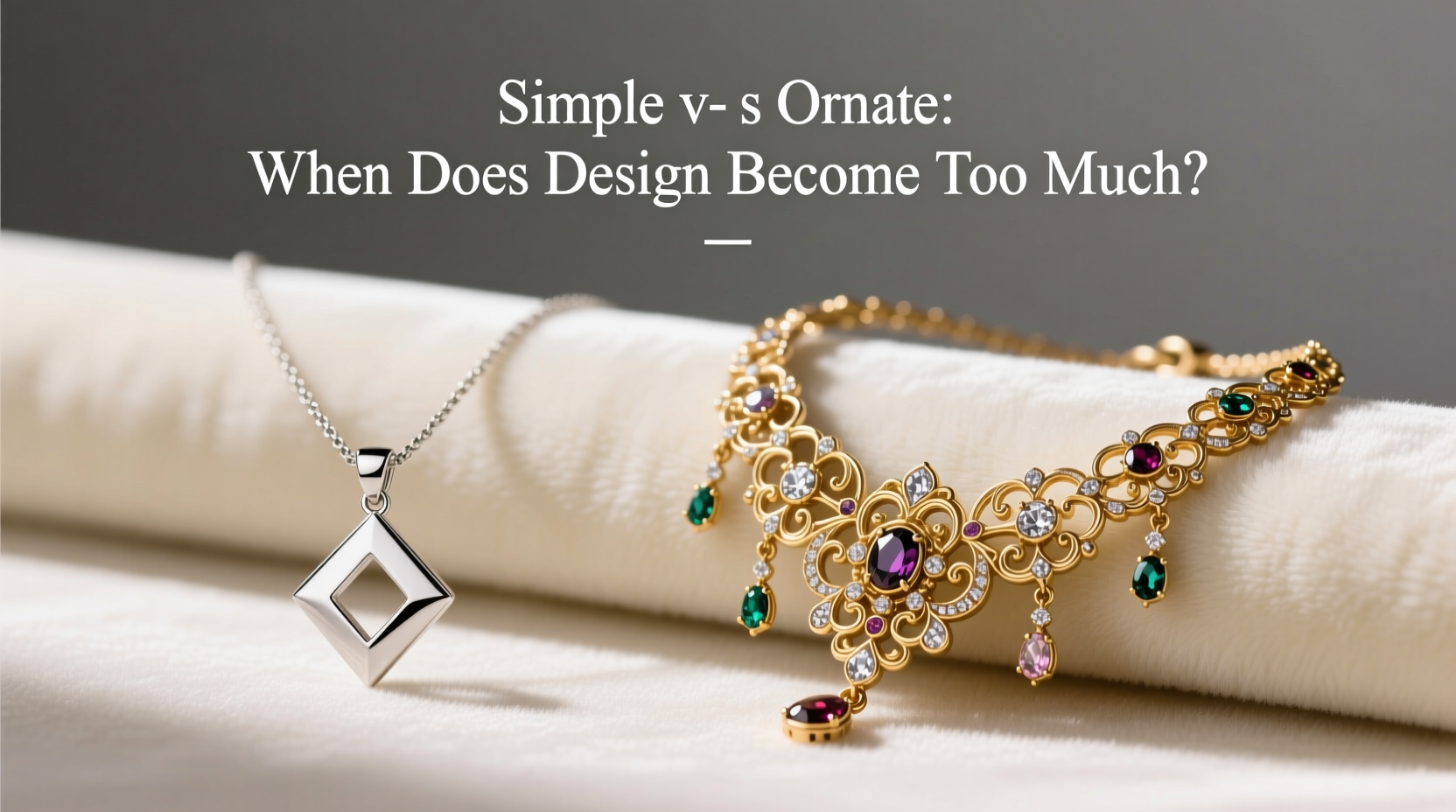
Minimalist necklaces—think delicate chains, dainty pendants, and understated elegance—have dominated fashion for over a decade. Their appeal stems from versatility and timelessness. A slim gold chain with a small geometric charm works equally well with a morning coffee run as it does at a boardroom meeting.
This trend emerged as part of a broader cultural shift toward mindful consumption and curated wardrobes. Consumers began valuing quality over quantity, investing in pieces that could be worn daily without clashing or overwhelming an outfit.
However, some critics argue that minimalism has become formulaic. When every influencer wears the same slim bar pendant on a cable chain, individuality risks being lost. The danger isn’t in the design itself, but in its ubiquity. Simplicity, when repeated without variation, can begin to feel uninspired.
When Ornate Jewelry Commands Attention
On the opposite end of the spectrum, ornate necklaces embrace drama: cascading gemstones, intricate filigree, bold silhouettes, and historical references. These pieces often draw inspiration from Art Deco, Victorian, or Byzantine aesthetics, reimagined through modern craftsmanship.
Ornate doesn’t necessarily mean excessive—it means intentional complexity. A handcrafted statement piece may take dozens of hours to complete, reflecting artistry rather than mere decoration. In contexts like weddings, galas, or artistic performances, such jewelry elevates the entire ensemble.
“Jewelry should tell a story. Sometimes that story is whispered elegance; other times, it roars with heritage and emotion.” — Lila Montoya, Contemporary Jewelry Designer
Yet, there’s a fine line between striking and overwhelming. Wearing a 20-inch multi-strand choker with dangling crystals to a casual brunch might alienate the look from its context. The key is alignment: does the jewelry match the mood, setting, and message you wish to convey?
Functional and Emotional Considerations
Choosing between simple and ornate isn’t only about fashion—it’s also practical. Consider these factors:
- Durability: Delicate chains are prone to breakage; ornate settings may snag on fabrics.
- Maintenance: Intricate pieces require more cleaning and careful storage.
- Comfort: Heavy necklaces can cause strain during long wear.
- Lifestyle: Office environments often favor subtlety, while creative fields welcome bolder expressions.
Emotionally, jewelry serves as armor, memory, or celebration. A thin locket holding a child’s photo carries deep significance despite its size. Conversely, a grand heirloom passed down generations embodies history and pride, even if impractical for daily use.
Comparison: Simple vs Ornate Necklaces
| Feature | Simple Necklaces | Ornate Necklaces |
|---|---|---|
| Best For | Daily wear, layering, professional settings | Special events, artistic expression, focal point styling |
| Average Cost | $30–$200 (often lower material use) | $150–$2,000+ (craftsmanship & materials) |
| Care Requirements | Low – occasional polishing, safe storage | High – regular cleaning, anti-tarnish cloths, compartmentalized boxes |
| Fashion Longevity | High – classic, enduring appeal | Variable – trend-sensitive but can become vintage treasures |
| Style Flexibility | Very high – easy to mix and match | Moderate – requires coordination with outfit and other accessories |
How to Choose Based on Occasion and Wardrobe
The most effective way to decide is by evaluating your wardrobe philosophy and lifestyle rhythm. Ask yourself:
- Do I prioritize comfort and ease?
- Am I dressing for visibility or intimacy?
- What kind of energy do I want my appearance to project?
For example, someone working in tech startups might lean toward subtle titanium or brushed steel pendants—modern, durable, and reflective of innovation. Meanwhile, a theater performer might opt for a gilded Renaissance-style collar that captures light under stage lamps.
Mini Case Study: Maya’s Style Evolution
Maya, a graphic designer in Portland, once wore only minimalist jewelry. Her go-to was a single silver dot pendant. Over time, she noticed her outfits felt “safe” but lacked personality. Inspired by a trip to Mexico City, she purchased a hand-hammered copper necklace with mosaic inlays from a local artisan.
At first, she hesitated to wear it outside art galleries. But after pairing it with a plain black dress and receiving multiple compliments, she realized bold pieces could coexist with sophistication. Now, she rotates between three ornate statement necklaces and her original minimal chain, depending on her mood and agenda.
Her experience illustrates that variety—not allegiance to one style—is the path to authentic self-expression.
Building a Balanced Jewelry Collection
Instead of treating simple and ornate as opposing forces, think of them as complementary tools in your styling toolkit. A well-rounded collection includes:
- One everyday minimalist chain (gold or silver)
- A personalized piece (initial, birthstone, or symbolic charm)
- A medium-weight transitional necklace (semi-ornate, suitable for dinners or dates)
- One showstopper for special occasions
- An heirloom or meaningful vintage item, if available
This checklist ensures readiness for any situation while allowing room for growth and experimentation.
Checklist: Building Your Necklace Wardrobe
- Assess your current pieces—what do you reach for most?
- Identify gaps based on frequency of wear and occasion coverage.
- Set a budget for one new addition per season.
- Prioritize craftsmanship over brand names.
- Try before you buy—or view high-resolution photos and videos if shopping online.
- Store each type appropriately: soft pouches for delicate chains, padded boxes for ornate items.
FAQ
Can I wear both simple and ornate necklaces together?
Yes, but with caution. Layering works best when varying lengths and weights create hierarchy. For example, pair a short delicate chain with a longer, bolder pendant. Avoid clustering multiple heavy or detailed pieces close together, which can appear chaotic.
Is minimalist jewelry losing popularity?
Not exactly. While maximalist trends are rising, minimalism remains foundational. Think of it like the little black dress—always relevant, even when brighter fashions emerge. Its role may shift from “main attraction” to “supporting player,” but demand persists.
How do I know if an ornate necklace suits me?
Consider your neckline, face shape, and personal aura. V-necks and off-the-shoulder tops complement dramatic collars. Round faces balance well with elongated pendants. Most importantly, if you feel confident and joyful wearing it, it suits you—regardless of conventional rules.
Conclusion
The debate between simple and ornate necklaces isn't about declaring a winner—it's about recognizing that both have purpose, power, and place. Simplicity offers serenity and adaptability; ornamentation delivers impact and narrative depth. The most compelling style emerges not from following trends, but from curating a collection that reflects who you are across different moments of life.
Don’t let fear of “being too much” silence your sparkle, nor let the safety of minimalism dull your voice. Experiment. Mix. Break rules thoughtfully. Whether your necklace whispers or sings, what matters is that it speaks truth.




 浙公网安备
33010002000092号
浙公网安备
33010002000092号 浙B2-20120091-4
Comments
No comments yet. Why don't you start the discussion?