
Choosing the right bedding isn't just about matching your bedroom decor. For many people, practicality—especially stain resistance and concealment—is a deciding factor. A common belief is that patterned bedding hides dirt and spills better than solid colors. But is this actually true? Or do other factors like fabric type, weave, and maintenance habits play a bigger role? This article dives deep into the reality behind simple versus patterned bedding, examining how well each handles everyday messes and what truly matters when trying to keep your bed looking fresh.
The Visual Psychology of Patterns and Stains
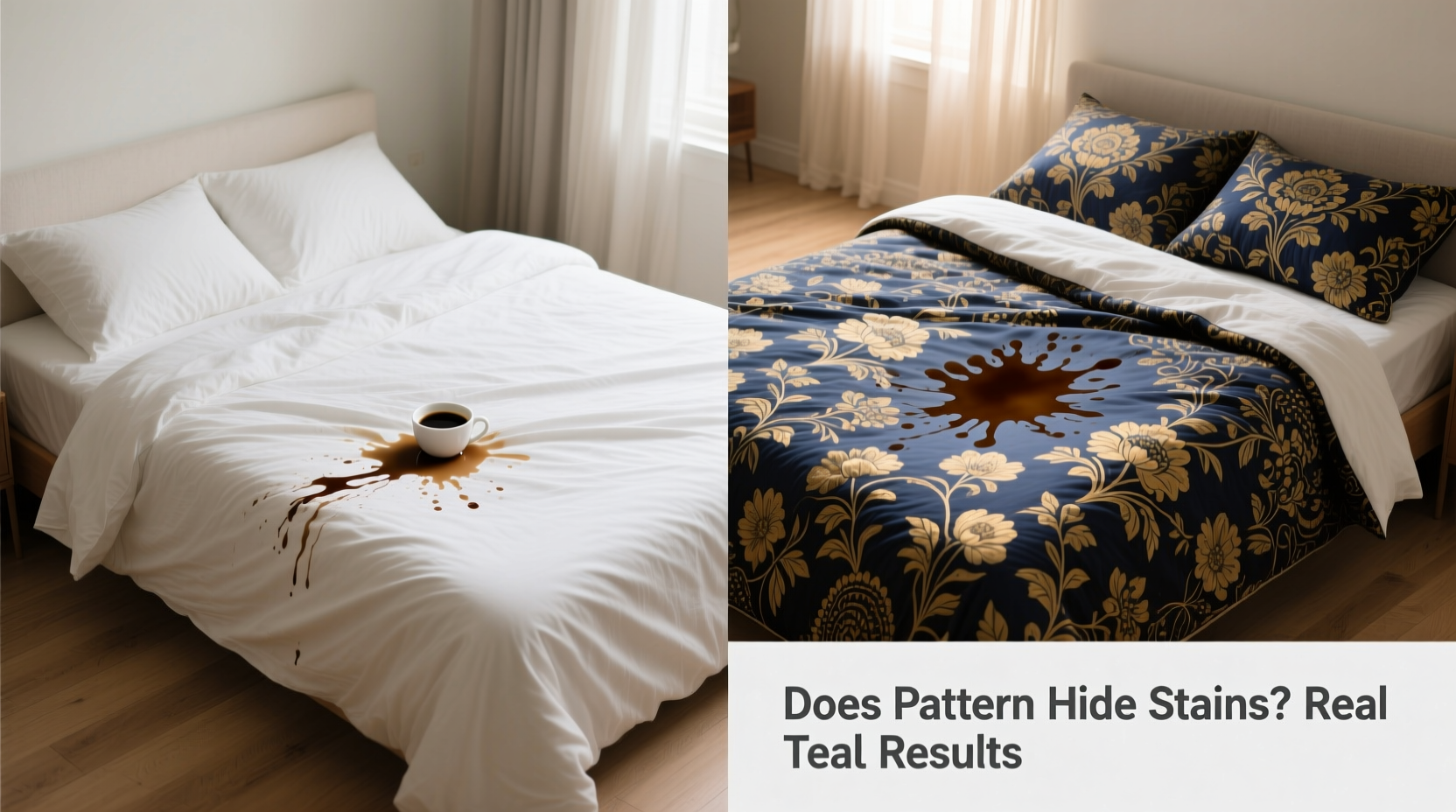
Patterns work by disrupting visual continuity. When a surface has repeated shapes, lines, or colors, the eye tends to focus on the overall design rather than isolated flaws. This principle applies to walls, clothing, and yes—bedding. A spill on a bold geometric duvet cover may blend into the background, while the same mark on a plain white sheet stands out immediately.
However, this effect depends heavily on the type of pattern and the nature of the stain. Subtle prints or tone-on-tone designs offer minimal camouflage. In contrast, high-contrast patterns with intricate details—like paisley, floral motifs, or Moroccan trellis—can effectively obscure small spills, makeup transfer, or sweat marks.
That said, not all stains are created equal. Oil-based spills (like lotions or facial oils) create translucent patches that distort fabric texture, making them visible even on busy prints. Water spots, especially on darker fabrics, can leave rings that remain noticeable regardless of pattern complexity.
“Patterns can delay the moment you notice a stain, but they don’t prevent soiling. The real defense is in fiber choice and laundering frequency.” — Dr. Lena Torres, Textile Scientist, University of Massachusetts
Fabric Matters More Than You Think
While pattern plays a role, the material of your bedding significantly influences how stains appear and how easy they are to clean. Here’s how common bedding fabrics compare:
| Fabric Type | Stain Visibility | Cleaning Ease | Best With |
|---|---|---|---|
| Cotton (Percale) | Moderate to high (especially light colors) | Easy – machine washable, resists pilling | Simple or subtle patterns |
| Cotton (Sateen) | High – sheen highlights imperfections | Moderate – prone to wrinkling and dulling | Darker solids or dense patterns |
| Linen | Low to moderate – natural texture masks minor flaws | Moderate – requires careful washing | Natural, organic patterns |
| Polyester Blend | Variable – often treated for stain resistance | Very easy – durable and quick-drying | Bold, printed patterns |
| TENCEL™ Lyocell | Low – smooth surface resists clinging | Easy – naturally antimicrobial | All patterns, especially dark ones |
As shown, fabric finish and construction affect appearance more than pattern alone. Sateen’s luster, for example, can make even tiny smudges glaringly obvious, whether the sheet is solid navy or covered in stars. Linen, with its slightly uneven weave, naturally diffuses light and softens the look of minor blemishes—even without a print.
Real-World Performance: A Mini Case Study
Sarah, a mother of two young children, switched from crisp white bedding to a charcoal-gray duvet with an abstract watercolor print after constant battles with juice spills and crayon transfers. Over six months, she tracked how often she needed to launder her top layer compared to her old solid bedding.
Her observation: “The pattern didn’t stop stains, but it gave me breathing room. I didn’t feel the urge to wash the duvet after every minor incident. Small splashes blended into the swirls, and even dried drool wasn’t immediately obvious from the foot of the bed.”
However, she noted that once a stain set in—especially protein-based (like milk or saliva)—it was just as difficult to remove as it would have been on a solid fabric. The key benefit wasn’t elimination, but discretion: fewer urgent washes and less visual stress.
This aligns with broader consumer behavior studies showing that people perceive patterned textiles as “cleaner longer,” even when objectively soiled. The psychological comfort of delayed visibility can reduce laundry frequency, which in turn extends fabric lifespan.
When Simple Bedding Wins
Despite the advantages of patterns, solid-colored bedding has strong merits. Simplicity offers clarity. You know exactly when a sheet needs washing. There’s no guessing whether a shadow is part of the design or a coffee splash.
Additionally, minimalist bedding supports easier rotation and mixing. A set of white or beige sheets can be paired with various covers, allowing seasonal changes without buying full new sets. Solid colors also age more gracefully; fading occurs uniformly, whereas printed fabrics risk cracking or ink loss at stress points.
For individuals with allergies or sensitive skin, simple bedding made from hypoallergenic, unbleached cotton or bamboo is often preferable. Fewer dyes and chemical treatments mean less irritation—and easier identification of potential contamination.
- Choose solid bedding if you prioritize hygiene transparency.
- Opt for off-white or light gray over bright white to reduce contrast with stains.
- Use mattress protectors and pillow shields to minimize direct soiling.
Action Plan: Choosing & Maintaining Your Bedding
Whether you prefer simplicity or bold prints, follow this step-by-step guide to maximize cleanliness and longevity:
- Assess your lifestyle: Do you eat in bed? Have pets or kids? High-activity environments benefit from patterned, durable fabrics.
- Select the right base color: Mid-tones (slate, taupe, olive) hide stains better than extremes (pure black or white).
- Layer strategically: Use a simple fitted sheet underneath and a removable, washable patterned cover on top for easy swaps.
- Pre-treat stains immediately: Dab (don’t rub) spills with cold water and mild detergent before laundering.
- Wash regularly: Change sheets weekly; duvet covers bi-weekly unless soiled earlier.
- Air dry when possible: Reduces wear and prevents shrinkage, especially for natural fibers.
Checklist: Before Buying New Bedding
- ☐ Consider your household’s activity level
- ☐ Choose a mid-tone base color for flexibility
- ☐ Prioritize tight weaves (percale, sateen) over loose knits
- ☐ Check care instructions—machine-washable is ideal
- ☐ Look for removable, replaceable covers
- ☐ Test swatches under your bedroom lighting
Frequently Asked Questions
Does a busy pattern really hide stains better?
Yes, but conditionally. Busy, high-contrast patterns can mask small spills, makeup residue, and light soiling by blending them into the design. However, large or oily stains will still be noticeable. Pattern helps with discretion, not prevention.
Are dark solid colors better than patterns for hiding stains?
Dark solids perform similarly to busy patterns in concealing most stains, especially on sheets. However, they may show lint, pet hair, or water spots more readily. Patterns add visual distraction, giving a perceived edge in maintaining a “fresh” look between washes.
How often should I replace my bedding to keep it looking clean?
With proper care, quality bedding lasts 2–3 years. Beyond that, fibers degrade, colors fade, and stains become harder to remove. Replace sets when they show signs of thinning, persistent discoloration, or reduced absorbency.
Final Thoughts: Balance Aesthetics and Practicality
The debate between simple and patterned bedding isn’t about which is objectively better—it’s about alignment with your lifestyle. A busy pattern can buy time between washes and soften the visual impact of daily wear, but it won’t replace good hygiene practices. Conversely, simple bedding promotes accountability and ease of coordination but demands more frequent upkeep to stay presentable.
The smart approach combines the strengths of both: use durable, mid-tone patterned covers for visual forgiveness, pair them with breathable solid sheets for comfort, and maintain a consistent cleaning routine. Add protective layers like waterproof liners if needed, and always follow fabric-specific care guidelines.




 浙公网安备
33010002000092号
浙公网安备
33010002000092号 浙B2-20120091-4
Comments
No comments yet. Why don't you start the discussion?