
Choosing a gift that resonates on a personal level often comes down to subtle details. A keychain may seem like a minor item, but when given with intention, it can carry significant emotional weight. The debate between selecting a small or large keychain as a gift isn’t just about physical size—it’s about symbolism, usability, and how well the giver understands the recipient. Thoughtfulness isn’t measured in inches; it’s reflected in relevance, design, and context.
The Psychology of Gifting Small vs. Large Items
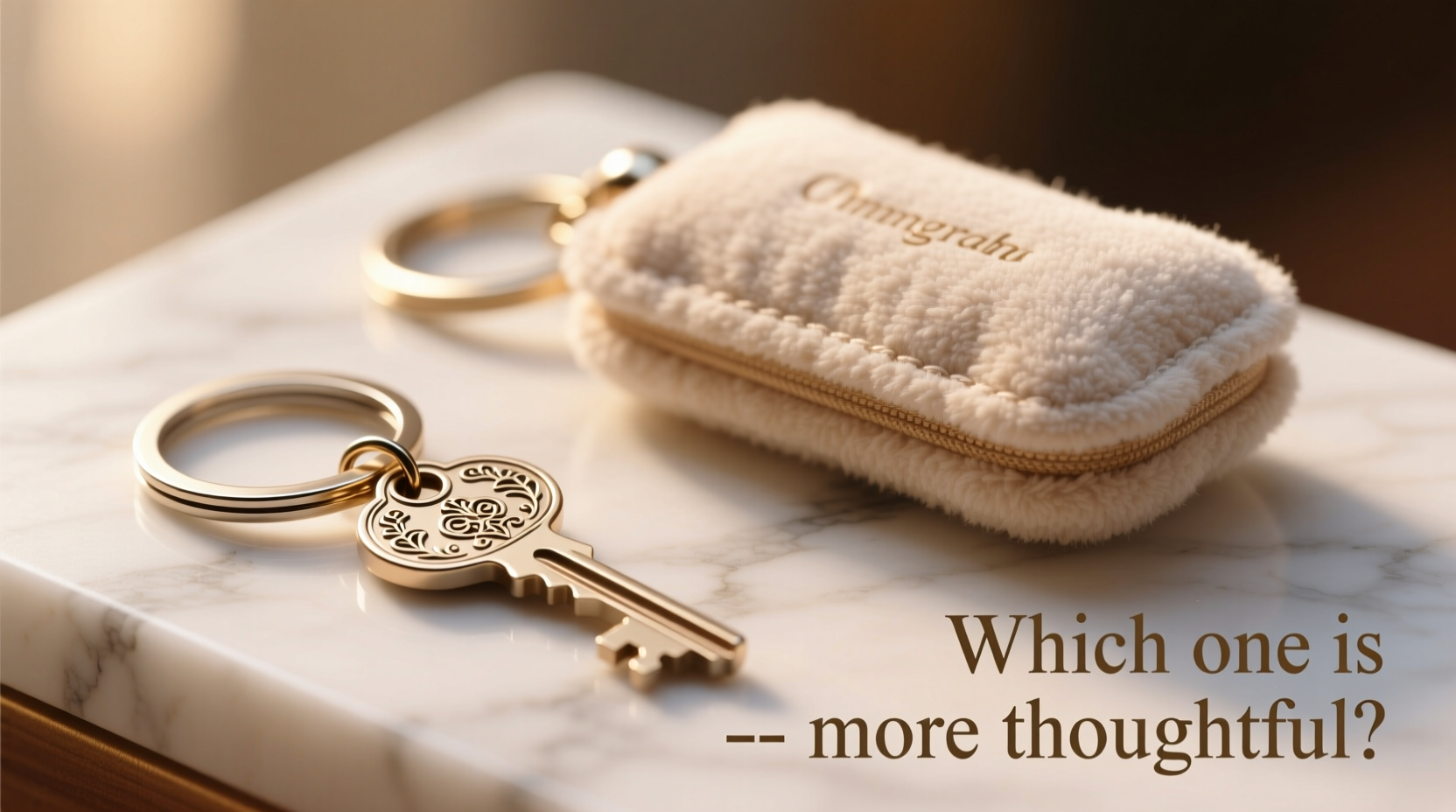
Gifts serve as nonverbal communication. They convey messages such as “I was thinking of you,” “I appreciate your presence in my life,” or “I know what makes you smile.” When it comes to compact items like keychains, the perception of value shifts from monetary worth to emotional resonance.
A smaller keychain often aligns with minimalism and discretion. It suggests an awareness of the recipient’s lifestyle—perhaps they prefer sleek, unobtrusive accessories. On the other hand, a larger keychain might be seen as bolder, more expressive, or even playful. It stands out, draws attention, and may reflect a desire to make a statement.
However, equating size with thoughtfulness can be misleading. A large keychain covered in flashy charms might feel impersonal if it doesn’t match the recipient’s taste. Conversely, a tiny engraved keychain with a meaningful date or initials can become a cherished keepsake.
“The most memorable gifts aren’t the biggest or loudest—they’re the ones that say, ‘I see you.’ Thoughtfulness lives in the details.” — Dr. Lena Reyes, Behavioral Psychologist specializing in social rituals
Practical Considerations: Functionality Matters
Beyond sentiment, functionality plays a crucial role in how a gift is received. A keychain must work within the daily routine of its user. Overlooking this can unintentionally turn a kind gesture into a burden.
Small keychains are generally more practical. They fit easily into pockets, don’t clink loudly when walking, and don’t weigh down a keyring. For someone who carries multiple keys or uses public transit, bulkiness becomes a nuisance. In contrast, large keychains—with oversized logos, bottle openers, or decorative pendants—can be cumbersome, especially for those using slim wallets or minimalist bags.
Keychain Size Comparison: Pros and Cons
| Feature | Small Keychain | Large Keychain |
|---|---|---|
| Portability | High – easy to carry, minimal noise | Low – can be bulky and noisy |
| Durability | Moderate – less material, but often sturdier construction | Variable – complex designs may break easier |
| Personalization Space | Limited – best for initials or small symbols | Ample – room for engravings, photos, or multiple elements |
| Aesthetic Impact | Subtle – appeals to minimalist tastes | Strong – makes a visible statement |
| Everyday Usability | High – rarely interferes with use | Moderate to Low – may snag or add weight |
When Size Reflects Sentiment: Real-Life Scenarios
Context transforms a simple object into a meaningful token. Consider these two scenarios:
Case Study: The Minimalist Commuter
Sarah, a software engineer, walks 20 minutes to the subway each morning. She wears tailored coats and carries a slim leather wallet. Her partner gifts her a large novelty keychain shaped like a cartoon character—something fun and eye-catching. While well-intentioned, Sarah finds it awkward. It jingles loudly, catches on her coat lining, and feels out of place with her aesthetic. She appreciates the gesture but quietly replaces it with a small brushed-metal tag engraved with their anniversary date. This smaller version, though less flashy, becomes her favorite daily reminder of their bond.
Case Study: The Adventurer Who Loves Bold Accessories
James collects outdoor gear and loves hiking. His sister gives him a compact keychain with a tiny compass. It’s functional, but gets lost among his heavy-duty keys. Later, she replaces it with a robust, full-sized multi-tool keychain—featuring a knife, bottle opener, and carabiner. This larger item fits his lifestyle perfectly. He uses it weekly and mentions it proudly to friends. Here, size enhances utility and personal relevance.
In both cases, the emotional value grew not from size alone, but from alignment with the recipient’s habits and identity.
How to Choose Thoughtfully: A Step-by-Step Guide
Thoughtful gifting follows a process rooted in observation and empathy. Follow these steps to decide between a small or large keychain:
- Observe their current accessories. Do they wear bold watches or subtle jewelry? Is their bag covered in pins or completely clean?
- Consider their daily routine. Do they commute, drive, or bike? Bulky items may interfere with movement or safety.
- Reflect on shared memories. Can you incorporate a symbol, date, or inside joke into the design? Even a small surface can hold deep meaning.
- Evaluate materials and durability. Stainless steel, leather, or titanium age well. Avoid cheap plastics regardless of size.
- Test the balance. Attach the keychain to a similar keyring. Does it swing awkwardly? Is it too heavy?
Checklist: Is Your Keychain Gift Truly Thoughtful?
- ✅ Matches the recipient’s personal style (minimalist, rugged, artistic, etc.)
- ✅ Fits comfortably on a keyring without causing imbalance
- ✅ Includes a personalized touch (engraving, color, symbol)
- ✅ Made from quality materials that will last
- ✅ Accompanied by a sincere message or story behind the gift
- ✅ Chosen based on observation, not assumption
Frequently Asked Questions
Does a bigger keychain always mean a more special gift?
No. Perceived thoughtfulness depends on relevance, not size. A large keychain may seem overwhelming or impractical if it doesn’t suit the recipient’s lifestyle. A small, carefully chosen piece with a personal engraving often holds greater emotional value.
Can a small keychain still feel meaningful?
Absolutely. Many people treasure small tokens because they’re intimate and discreet. A tiny locket-style keychain with a photo, a custom-shaped metal cutout, or a miniature book charm can spark daily joy without drawing attention.
What if I’m unsure about their preference?
When in doubt, lean toward simplicity. A medium-sized, high-quality keychain with subtle personalization offers versatility. Avoid overly large or gimmicky designs unless you’re certain they’ll appreciate them.
Final Thoughts: Thoughtfulness Is Personal, Not Proportional
The question isn’t whether a small or large keychain is inherently more thoughtful—it’s whether the gift reflects genuine understanding. A tiny titanium disc engraved with coordinates of a first meeting place speaks volumes. So does a large leather fob stamped with a motivational quote for someone going through a tough year.
Size should follow significance, not lead it. The most thoughtful gifts emerge from paying attention: noticing how someone organizes their keys, what symbols bring them comfort, and what kind of objects they already cherish. Whether small or large, a keychain becomes meaningful when it mirrors the recipient’s world—not the giver’s idea of it.




 浙公网安备
33010002000092号
浙公网安备
33010002000092号 浙B2-20120091-4
Comments
No comments yet. Why don't you start the discussion?