
Small white onions are a staple in kitchens around the world, prized for their crisp texture, mild heat, and clean bite. While often overshadowed by larger onion varieties, these petite bulbs play an outsized role in both everyday cooking and specialty preparations like pickling. Their compact size, balanced flavor, and firm flesh make them ideal for salsas, relishes, stews, and garnishes where texture and subtlety matter. Understanding how to select, store, and use small white onions can elevate everything from weekday meals to preserved condiments.
Definition & Overview
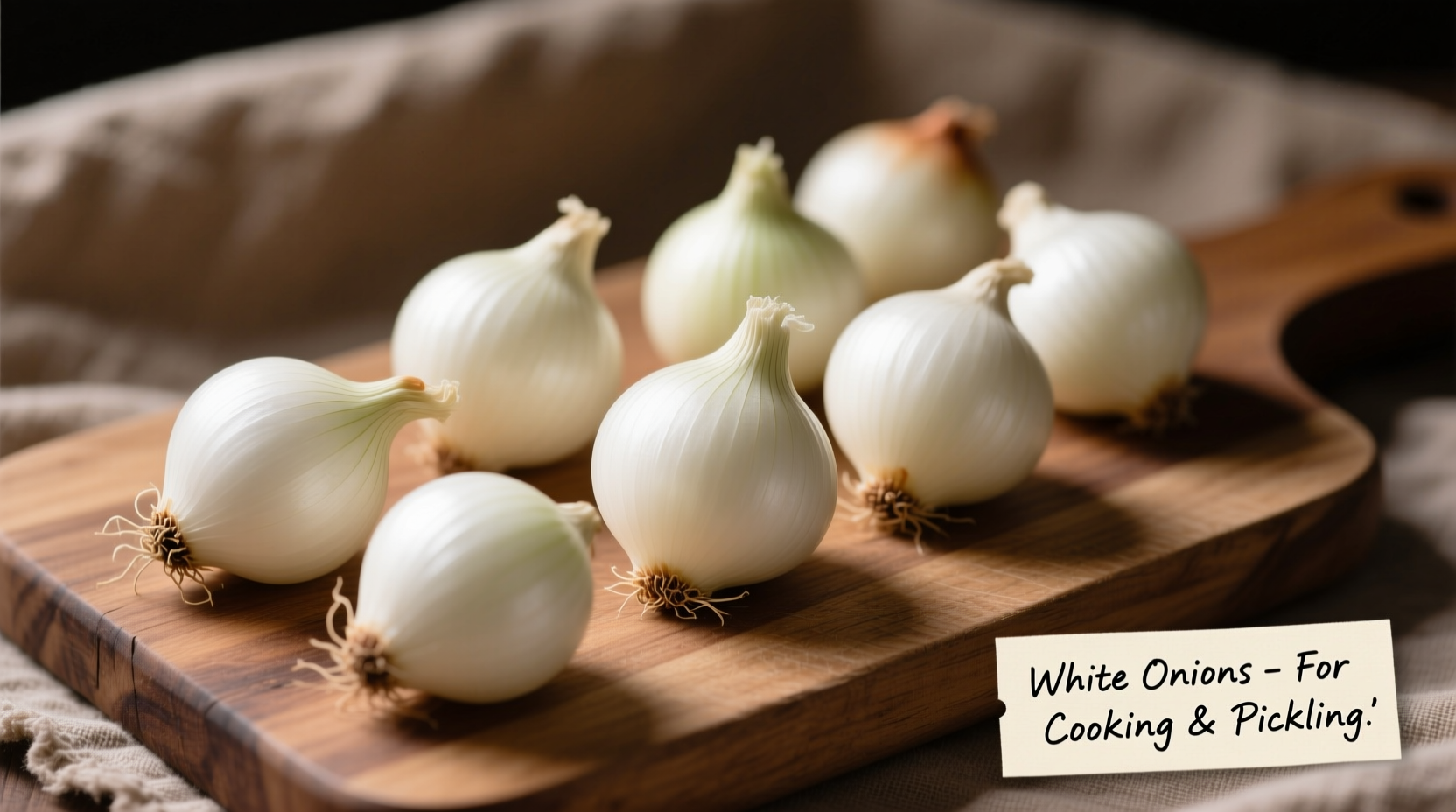
Small white onions refer to mature onions harvested early or bred to remain compact, typically measuring between 1 to 2 inches in diameter. They belong to the *Allium cepa* species, the same family as yellow, red, and sweet onions, but are distinguished by their size, thin skin, and bright white, semi-translucent flesh. Unlike green onions or scallions—which are consumed with their stalks—small white onions are fully developed bulbs used whole or chopped.
These onions are cultivated globally, with notable production in Mexico, the southern United States, India, and parts of Southeast Asia. In Mexican cuisine, they are essential in pico de gallo and escabeche; in Southern U.S. cooking, they appear in chowchows and Bloody Mary mixes; in Indian street food, they’re served raw alongside spicy dishes to cut through richness. Their versatility across raw, cooked, and preserved applications makes them a critical ingredient in diverse culinary traditions.
Their flavor sits between sharpness and sweetness: less pungent than yellow onions, more assertive than Vidalias. When raw, they deliver a clean, peppery crunch. When cooked, they mellow quickly, absorbing surrounding flavors while retaining structure better than larger onions. This balance is why chefs and home cooks alike reach for them when precision and subtlety are required.
Key Characteristics
| Attribute | Description |
|---|---|
| Size | 1–2 inches in diameter; often sold in clusters or loose bulbs |
| Skin & Flesh | Papery white outer skin; crisp, milky-white interior with tight rings |
| Flavor Profile | Mildly sharp, slightly sweet, with a clean finish—less sulfuric than yellow onions |
| Aroma | Fresh and grassy when raw; becomes sweet and savory when sautéed |
| Culinary Function | Adds texture and brightness raw; builds depth when cooked; holds shape in pickling |
| Shelf Life | 3–4 weeks at room temperature in a cool, dry place; up to 2 months refrigerated |
| Heat Level (Raw) | Moderate—noticeable bite without overwhelming harshness |
Practical Usage: How to Use Small White Onions in Cooking
Small white onions shine in applications where their size and texture contribute structurally and flavorfully. Because they are uniform and tender, they require minimal prep and cook evenly—ideal for dishes demanding consistency.
Raw Applications
In raw form, small white onions add crunch and a refreshing zing. Thinly sliced or minced, they enhance:
- Salsas and relishes: Combine with tomatoes, cilantro, lime juice, and jalapeño for a classic pico de gallo. Their firmness prevents sogginess.
- Tacos and grilled meats: Serve raw slices on tacos al pastor or alongside carne asada. The onion cuts through fat and adds contrast.
- Ceviche and seafood salads: Soak sliced onions in cold water or citrus juice for 10 minutes to temper sharpness before folding into fish dishes.
- Cocktail garnishes: Skewer whole or halved onions with olives for a Gibson martini—a traditional alternative to pearl onions.
Cooked Applications
When heated, small white onions soften while maintaining integrity, making them excellent for:
- Sautéing as a base: Dice and sweat with garlic and peppers to build flavor in soups, stews, and rice dishes. They caramelize faster than large onions due to higher sugar content relative to volume.
- Roasting whole: Toss with olive oil, thyme, and salt; roast at 400°F (200°C) for 25–30 minutes until golden and tender. Serve as a side or mix into grain bowls.
- Grilling: Skewer with bell peppers and mushrooms for kebabs. Their size ensures even cooking without drying out.
- Braising in sauces: Add to mole, curries, or tomato-based braises. They dissolve partially, thickening the sauce while contributing sweetness.
Pro Tip: To preserve texture in long-cooked dishes, blanch small white onions in boiling water for 60 seconds, then shock in ice water. This firms the cell walls and helps them hold shape during simmering.
Pickling: A Signature Use
Pickling is where small white onions truly excel. Their dense, layered flesh absorbs brine efficiently without turning mushy. Quick-pickled versions are ready in hours; fermented ones develop complexity over days.
Basic Quick-Pickle Method:
- Peel 1 cup of small white onions (or leave whole if very tiny).
- Bring 1 cup vinegar (white or apple cider), 1 cup water, 1 tbsp salt, and 1 tbsp sugar to a boil.
- Pour hot brine over onions in a sterilized jar. Add optional flavorings: crushed garlic, black peppercorns, dried chili, or coriander seed.
- Cool to room temperature, then refrigerate. Ready in 4 hours; best after 24 hours. Lasts 4 weeks.
Use pickled small white onions on burgers, nachos, banh mi sandwiches, or as a tangy accompaniment to cheese boards. Their vibrant acidity balances rich and fatty foods effortlessly.
Variants & Types
Not all small white onions are identical. Several types exist, each suited to specific culinary roles:
- True Small White Onions: Harvested early for tenderness. Often labeled “pearl” or “cocktail” onions in the U.S., though true pearl onions are a different species (*Allium ampeloprasum*). These are the standard for cooking and pickling.
- Boiler Onions: Slightly larger (1.5–2 inches), sold peeled and frozen. Ideal for soups and casseroles where convenience matters. Less crisp when raw.
- White Pickling Onions: A cultivar specifically bred for preserving. More uniform in size and firmer in texture. Look for labels like ‘Crystal Wax’ or ‘Texas Early White’ in seed catalogs.
- Spring White Onions: Younger, more delicate versions available in spring. Skin is thinner, moisture content higher—best used raw or lightly cooked within a few days of purchase.
| Type | Best For | Storage |
|---|---|---|
| True Small White | Pickling, roasting, raw garnish | Room temp (3–4 wks) or fridge (6–8 wks) |
| Boiler (frozen) | Stews, casseroles, slow-cooked dishes | Freezer only; do not refreeze after thawing |
| Pickling Cultivars | Preserving, fermenting, relishes | Same as true small white; superior brine retention |
| Spring Variants | Salads, fresh salsas, grilling | Refrigerate; use within 7–10 days |
Comparison with Similar Ingredients
Small white onions are frequently confused with other alliums. Knowing the differences ensures correct usage.
| Ingredient | Differences from Small White Onions | When to Substitute |
|---|---|---|
| Pearl Onions | Smaller (0.5–1\"), sweeter, from a different species; often used in stews and cocktails. True pearl onions are harder to peel. | Acceptable in pickling or roasting, but expect milder flavor and softer texture. |
| Shallots | More delicate, wine-like flavor; higher cost; grow in clusters like garlic. Flesh is pinkish-gray. | Can replace small whites in vinaigrettes or sauces, but lack the same crunch raw. |
| Scallions / Green Onions | Immature onions with edible green stalks; much milder. No developed bulb. | Not interchangeable in pickling. Use only when raw onion bulk isn’t needed. |
| Red Onions (small) | Similar size but more color and sharper bite. Turn blue-green in alkaline brines. | Good visual substitute in salads, but bleed color and alter pH-sensitive dishes. |
| Yellow Onions (diced small) | Larger cells, more pungency, higher moisture. Break down faster when cooked. | Can mimic texture when diced finely, but overpower delicate applications. |
“Small white onions are the unsung heroes of the allium world. They don’t dominate a dish, but they anchor it—providing structure, brightness, and just enough bite to keep things interesting.” — Chef Elena Ruiz, Culinary Instructor, Austin School of Food Arts
Practical Tips & FAQs
How do I peel small white onions easily?
Drop them into boiling water for 60–90 seconds, then transfer to an ice bath. The skins will slip off effortlessly. Alternatively, trim root and stem ends, then squeeze from the root end to pop the onion out.
Can I freeze small white onions?
Yes, but only if intended for cooked dishes. Peel, blanch for 2 minutes, cool, and freeze in a single layer before transferring to bags. Texture softens, so avoid freezing for raw use.
Are small white onions the same as cocktail onions?
Commercially, yes—most “cocktail onions” are small white onions pickled in a brine with turmeric and spices. However, true cocktail onions may include pearl onions or even baby boiling onions. Check labels for specifics.
What’s the best vinegar for pickling them?
Distilled white vinegar (5% acidity) ensures clarity and shelf stability. For nuanced flavor, blend with apple cider or rice vinegar. Avoid balsamic—it darkens the onions and adds unwanted sweetness.
How do I reduce their sharpness when eating raw?
Soak sliced onions in ice water for 10–15 minutes, or marinate briefly in lime or lemon juice. This leaches sulfur compounds responsible for bite while preserving crunch.
Can I grow small white onions at home?
Absolutely. Plant sets or seeds in well-drained soil with full sun. Harvest when tops fall over naturally. Varieties like ‘White Lisbon’ (a bunching type) or ‘Crystal Wax’ produce reliably small, white bulbs ideal for kitchen use.
Storage Checklist:
- Store unpeeled onions in a cool, dark, ventilated area—never in plastic bags.
- Keep away from potatoes to prevent sprouting and moisture loss.
- Once cut, wrap tightly and refrigerate; use within 5 days.
- For long-term preservation, pickle or dehydrate (slice thinly, dry at 135°F/57°C for 6–8 hours).
Substitutions in Recipes
If small white onions aren’t available:
- For raw use: Substitute finely diced shallot or red onion soaked in water.
- For cooking: Use equal parts yellow onion, but reduce quantity by 25% to avoid overpowering.
- For pickling: Pearl onions work well but are pricier; small red onions can be used if color isn’t a concern.
Summary & Key Takeaways
Small white onions are far more than a niche ingredient—they are a foundational element in global cuisines, offering unmatched versatility in both fresh and preserved forms. Their compact size, balanced flavor, and structural integrity make them indispensable for salsas, pickles, roasts, and garnishes.
Key points to remember:
- They are distinct from scallions, shallots, and pearl onions—choose based on desired texture and intensity.
- Excellent for pickling due to firm flesh and neutral color.
- Require minimal prep; blanching aids peeling and preserves texture in cooking.
- Store longer than spring alliums but benefit from cool, dry conditions.
- Substitutions exist but alter outcome—use small whites when authenticity and performance matter.
Next time you're assembling a taco platter, building a charcuterie board, or preserving summer harvests, reach for small white onions. Their quiet potency and culinary flexibility make them one of the most reliable ingredients in your pantry. Keep a batch pickled on hand—you’ll find yourself reaching for them more often than you expect.




 浙公网安备
33010002000092号
浙公网安备
33010002000092号 浙B2-20120091-4
Comments
No comments yet. Why don't you start the discussion?