
Carrying a keychain on your handbag is convenient—until you notice the first scratch on the leather, hear the jingle of metal scraping against hardware, or discover a torn lining from sharp key edges. Many people overlook how everyday attachment methods can degrade their favorite bags over time. The good news: it’s entirely possible to keep your keys close at hand while preserving your bag’s integrity. With thoughtful accessories, strategic placement, and simple modifications, you can enjoy both accessibility and longevity.
Why Keychain Attachment Matters
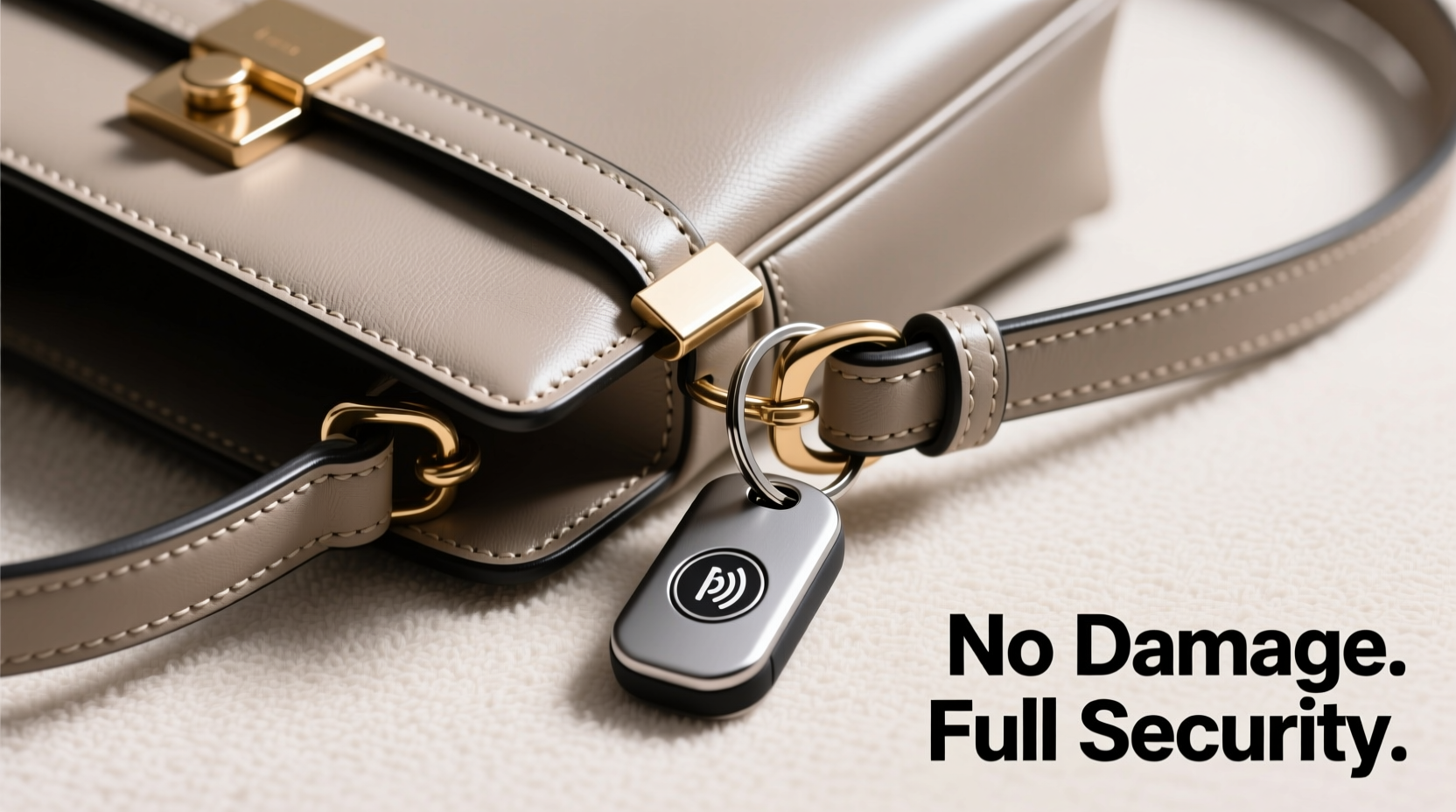
Your handbag is more than an accessory—it’s an investment. Whether it’s a designer tote, a vintage satchel, or a sleek crossbody, repeated friction from dangling keys can lead to irreversible wear. Metal keyrings rub against delicate finishes, snag linings, and even loosen stitching near attachment points. Over time, this leads to scuffing, discoloration, and structural compromise, especially on premium materials like lambskin, patent leather, or coated canvas.
The goal isn’t to stop using keychains altogether but to rethink how they’re attached. A well-chosen method protects the bag, keeps keys organized, and maintains aesthetic appeal.
“Most handbag damage from keys happens gradually. By the time owners notice, the wear is often too advanced to reverse.” — Lena Torres, Handbag Preservation Specialist
Best Methods for Secure, Non-Damaging Attachment
Not all keychains are created equal, nor are all attachment points on a handbag equally resilient. The ideal solution balances security, convenience, and material safety. Below are five proven techniques that minimize risk while maximizing functionality.
1. Use a Lanyard or Wristlet with a Soft Loop
Instead of clipping keys directly to a zipper pull or D-ring, use a fabric lanyard or wristlet with a soft loop closure. These accessories distribute weight evenly and eliminate metal-on-metal contact. Choose ones made from silk, nylon webbing, or braided cotton—they glide smoothly against surfaces without abrasion.
2. Attach via Internal Organizer Pouch
Many modern handbags include interior slip pockets or zip compartments designed for small essentials. Store your keys inside one of these instead of hanging them externally. If your bag lacks such a feature, consider inserting a removable organizer pouch with a magnetic flap or Velcro closure.
This method eliminates external exposure, prevents swinging motion, and reduces the chance of accidental drops. It also keeps keys silent—a subtle but appreciated benefit in quiet environments like meetings or libraries.
3. Install a Dedicated Key Leash Clip (Non-Permanent)
A key leash is a short strap with clips on both ends, typically 4–6 inches long. Look for models with padded or silicone-coated hooks that grip securely without scratching. Attach one end to a sturdy internal D-ring or belt loop, and the other to your keyring.
To avoid permanent modification, choose clips that don’t require rivets or sewing. Instead, rely on tension-fit hooks or adjustable loops that wrap around existing hardware. This allows you to switch bags seasonally without leaving marks.
4. Utilize Magnetic Key Holders Inside the Bag
Magnetic key holders are discreet, space-saving, and highly effective. These small discs consist of two parts: one adheres to the inside wall of your bag (using strong but removable adhesive), and the other attaches to your key fob or ring. When brought close, they snap together magnetically.
Because they’re flush-mounted and hidden, there’s no dangling or rubbing. They work especially well in structured bags with flat interior panels. Just ensure the adhesive is rated for fabrics or leathers and can be removed cleanly if needed.
5. Choose a Detachable Key Charm with a Silicone Buffer
If aesthetics matter, select a stylish key charm designed with protective features. Some luxury brands now offer charms with silicone-lined connectors or rubberized interiors that cushion contact points. These act as shock absorbers, reducing vibration and friction during movement.
Even better, detachable charms allow you to remove them when storing the bag, preventing prolonged pressure on specific areas. This small habit significantly extends the life of delicate trims and embellishments.
Do’s and Don’ts: Keychain Attachment Guide
| Do | Don't |
|---|---|
| Use soft, non-abrasive materials like fabric or silicone | Clip heavy keys directly to delicate zipper pulls |
| Distribute weight with short leashes or internal storage | Allow keys to dangle freely where they can swing |
| Check attachment points monthly for wear | Use oversized keyrings that strain stitching |
| Remove keys during long-term storage | Attach multiple metal chains that tangle and scratch |
| Choose lightweight, streamlined key designs | Ignore signs of fraying or discoloration near clips |
Step-by-Step: How to Safely Attach Keys in 5 Minutes
Follow this quick process to set up a damage-free key system:
- Evaluate your bag’s structure: Identify strong attachment points—internal D-rings, belt loops, or firm interior walls.
- Downsize your key bundle: Remove unnecessary keys or duplicates to reduce weight and bulk.
- Select a low-impact carrier: Choose a fabric lanyard, magnetic holder, or padded leash.
- Install securely: Clip or adhere the chosen accessory to the optimal location, ensuring it doesn’t pull on seams.
- Test mobility: Gently shake the bag to confirm keys stay put without bouncing or dragging.
Real-Life Example: Protecting a Designer Tote
Sophia, a marketing executive in Chicago, owned a cream-colored Celine Box Tote she used daily. Within six months, the bottom corners showed visible scuffs, and the gold-tone hardware was scratched near the zipper pull—where she clipped her house and car keys. After consulting a handbag concierge service, she switched to a navy silk lanyard looped through an internal D-ring. She now stores her keys in a slim leather fob and keeps the lanyard tucked when not in use.
Twelve months later, her tote remains in near-pristine condition. “I didn’t realize how much damage those few seconds of convenience were costing me,” she said. “Now my keys are just as accessible, but my bag looks brand new.”
Essential Checklist for Keychain Safety
- ✅ Assess your current key attachment method for signs of wear
- ✅ Reduce key count to only essentials
- ✅ Replace metal rings with silicone-coated or fabric-covered alternatives
- ✅ Install a magnetic holder or soft leash inside or on a durable exterior point
- ✅ Inspect attachment zones every 4–6 weeks
- ✅ Remove keys when storing the bag overnight or long-term
- ✅ Carry a spare key cover or pouch for travel or backup
Frequently Asked Questions
Can I use a carabiner clip on my handbag?
You can, but only if it’s a mini, rubber-tipped model designed for accessories. Standard metal carabiners are too rigid and heavy, increasing the risk of tearing straps or scratching surfaces. Always prioritize soft-contact closures.
Will adhesive magnetic holders damage my bag’s lining?
High-quality magnetic holders use bonding agents formulated for textiles and leathers. They’re designed to hold firmly yet release cleanly. However, always test on a small, inconspicuous area first, especially with delicate or vintage linings.
What if my bag has no internal D-rings or loops?
In that case, opt for an interior solution: a lined organizer with its own anchor point, or a magnetic system installed on a flat interior panel. Avoid modifying the bag yourself unless you’re experienced with leatherwork.
Final Thoughts: Small Changes, Lasting Results
Attaching a keychain may seem trivial, but its long-term impact on your handbag is anything but. The right approach combines practicality with preservation—keeping your keys within reach while shielding your bag from avoidable harm. Whether you choose a minimalist magnetic dock or a chic fabric lanyard, the key (pun intended) is consistency and mindfulness.
Start today by reevaluating how your keys interact with your bag. Make one small upgrade, then build from there. Your future self—and your handbag collection—will thank you.




 浙公网安备
33010002000092号
浙公网安备
33010002000092号 浙B2-20120091-4
Comments
No comments yet. Why don't you start the discussion?