
For fans of superhero-themed mini building blocks—from Batman’s Batmobile to Iron Man’s arc reactor—keeping sets organized is essential. These small, intricate pieces can quickly clutter shelves or vanish into couch cushions without a proper storage strategy. The challenge isn’t just preserving the bricks; it’s making them easy to access, identify, and rebuild when inspiration strikes. With thoughtful planning and the right tools, even compact living spaces can host a fully functional, visually appealing block station. This guide explores practical, innovative solutions that blend efficiency with creativity, ensuring your superhero builds stay intact and your space stays tidy.
1. Categorize by Function, Not Just Color
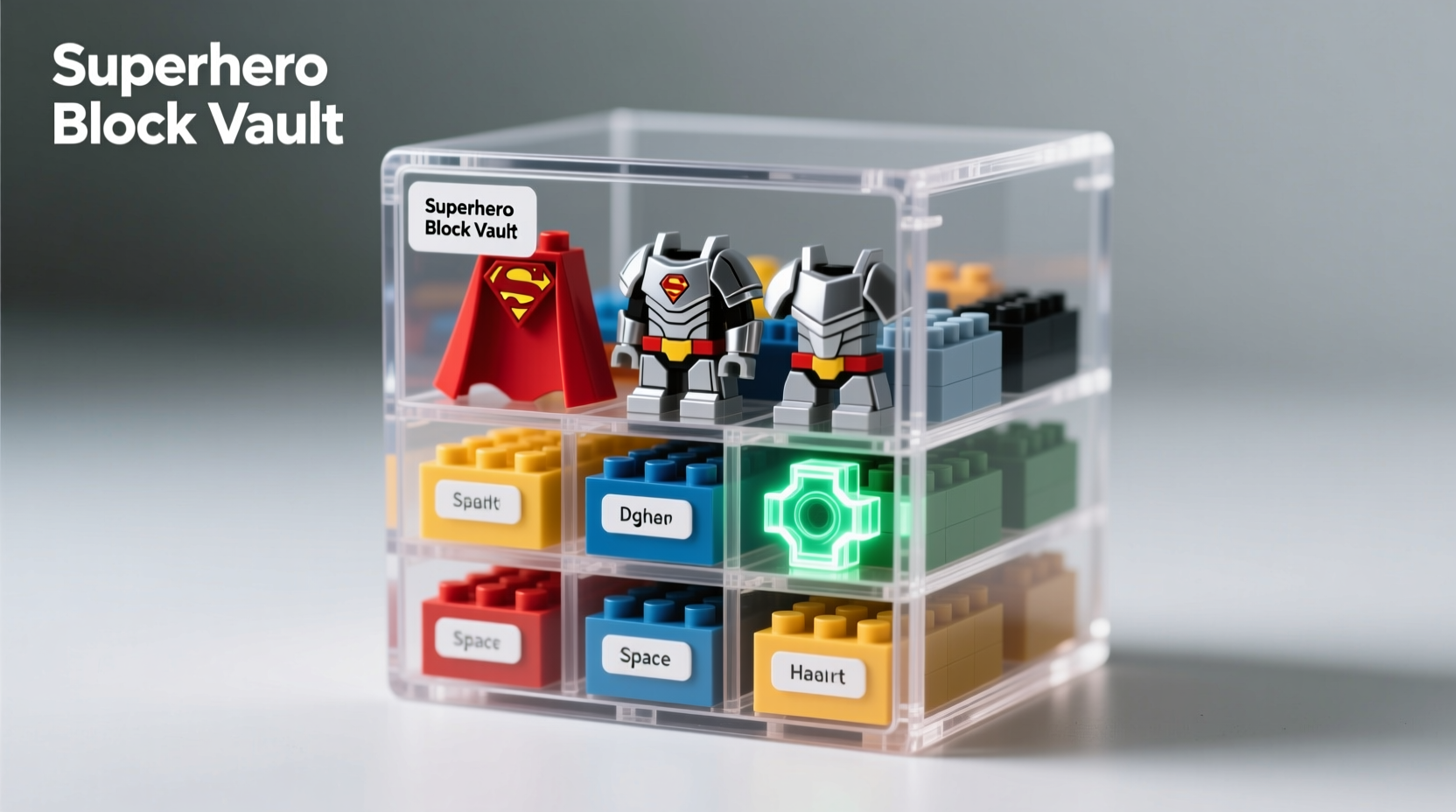
While sorting by color may seem intuitive, organizing mini building blocks by function significantly improves usability. Superhero models often rely on specialized parts: hinges for cape movement, printed tiles for logos, tiny weapons, or translucent elements for energy effects. Grouping these by role streamlines rebuilding and encourages creative experimentation.
Consider dividing storage into categories such as:
- Structural bases (plates, bricks)
- Specialized connectors (pins, axles)
- Decorative elements (printed tiles, stickers)
- Character-specific accessories (masks, shields, wings)
- Translucent or glow-in-the-dark pieces
2. Optimize Vertical and Modular Storage Systems
Floor and desk space are precious. Instead of spreading containers across surfaces, take advantage of vertical real estate. Wall-mounted pegboards, grid panels, or shelving units with modular bins turn unused wall areas into dynamic organization hubs.
Pegboards offer maximum flexibility. Attach small mesh baskets, clear plastic trays, or custom-cut foam inserts to hold labeled bags or loose pieces. For frequently used superhero components—like Spider-Man’s web shooters or Wonder Woman’s lasso—position these within easy reach.
Modular drawer units, commonly used in craft or hardware storage, are ideal for deeper categorization. Each drawer can be dedicated to a specific superhero or model phase (e.g., “Avengers Assemble,” “Justice League HQ”). Clear fronts allow instant visibility, reducing time spent searching.
“Efficient storage isn’t about hiding toys—it’s about enabling faster, more focused creation.” — Daniel Reed, Toy Organization Consultant
3. Use Repurposed and Stackable Containers
You don’t need expensive specialty kits to create an effective system. Everyday household items can be transformed into smart storage solutions:
- Mint tins: Perfect for storing rare or critical pieces like superhero emblems or unique connectors.
- Ice cube trays: Nest inside larger boxes to separate small parts by type or color.
- CD cases: Transparent and stackable, great for flat pieces or instruction manuals.
- Plastic food containers: Reuse deli or produce containers with secure lids for themed sets.
Stackability is key. Choose uniform-sized containers that interlock or nest securely. This prevents toppling and allows you to reconfigure layouts as collections grow.
| Container Type | Best For | Space-Saving Benefit |
|---|---|---|
| Modular Drawer Unit | Detailed categorization | Wall-mountable, vertical use |
| Clear Shoeboxes | Full model storage | Stacks under beds or furniture |
| Ziplock Bags + Binder | Instruction sheets & tiny parts | Flat, portable archive |
| Repurposed Jars | Loose round pieces (eyes, domes) | Visibility + countertop use |
4. Build a Portable Superhero Build Station
For families on the move or those with limited dedicated space, a portable build station offers flexibility. A single tote or rolling cart can house everything needed for spontaneous construction sessions—no permanent setup required.
Step-by-Step: Create Your Mobile Build Kit
- Select a durable container: Choose a hard-sided bin with a latch or a rolling tool caddy with compartments.
- Divide with organizers: Insert removable trays or adjustable dividers to separate components.
- Add a working surface: Include a foldable tray or attach a magnetic sheet to the lid for temporary building.
- Store instructions digitally: Scan or photograph model guides and save them on a tablet or phone to save physical space.
- Include cleanup tools: Add a small dust blower or soft brush to remove debris from crevices before storage.
This mobile approach works especially well for shared spaces like living rooms or classrooms. When playtime ends, simply close the lid and slide it behind the couch or into a closet.
5. Preserve Completed Models Without Sacrificing Space
Completed superhero builds are achievements worth displaying—but they shouldn’t dominate your room. Use space-smart display techniques to honor your work while maintaining functionality.
Wall-mounted shadow boxes with glass fronts protect fragile models from dust and curious hands. Alternatively, install floating shelves at varying heights to create a dynamic “superhero gallery.” Rotate displays monthly to keep the collection fresh and give every model its moment.
If floor space permits, consider a multi-tiered acrylic stand. These allow vertical stacking of models while minimizing footprint. For long-term preservation, apply a light plastic protectant spray to prevent yellowing from UV exposure.
Mini Case Study: The Urban Apartment Builder
Lena, a 32-year-old architect in Chicago, lives in a 600-square-foot loft with her partner and young son. Their shared love of DC superhero builds led to chaos—pieces scattered, instructions lost, frustration mounting. After implementing a wall-mounted grid panel with labeled bins above a low cabinet, Lena transformed a neglected corner into a dual-purpose area: a Lego build zone by day, concealed behind sliding doors at night. She uses transparent CD sleeves to store assembly guides and keeps completed Batcave sections in stackable clear boxes under the bed. “It’s not about having more space,” she says. “It’s about designing storage that works like a blueprint.”
Essential Storage Checklist
Before finalizing your system, ensure you’ve covered all bases:
- ✅ Sort pieces by function and superhero theme
- ✅ Use clear, labeled containers for quick access
- ✅ Maximize vertical and underutilized space
- ✅ Protect instruction manuals (digitally or in sleeves)
- ✅ Designate a portable option for flexible use
- ✅ Implement a weekly 5-minute reset routine
- ✅ Store completed models vertically or in shadow boxes
Frequently Asked Questions
How do I prevent small pieces from getting lost during play?
Use a large fabric or silicone building mat with raised edges. It contains loose parts and can be rolled up for storage. Alternatively, build over a shallow tray to catch falling elements.
Can I mix different brands of mini building blocks?
Many third-party bricks are compatible with major brands, but tolerances vary. Store non-original pieces separately to avoid confusion during rebuilds. Test fit before integrating into critical structural areas.
What’s the best way to clean mini building blocks without damaging prints?
Hand-wash pieces in lukewarm water with mild dish soap. Avoid scrubbing printed surfaces. Lay them flat on a towel to dry—never use heat, which can warp delicate components.
Final Thoughts: Build Smart, Store Smarter
Organizing mini building blocks for superhero models doesn’t require a dedicated room or expensive gear. What matters most is consistency, clarity, and creativity in how you manage space. Whether you’re a lifelong collector or a parent supporting a child’s passion, a well-designed storage system enhances the joy of building by removing friction and preserving progress. From wall grids to repurposed jars, every solution should serve the goal of making creation easier, faster, and more sustainable.




 浙公网安备
33010002000092号
浙公网安备
33010002000092号 浙B2-20120091-4
Comments
No comments yet. Why don't you start the discussion?