
In modern households, the kitchen is more than just a place to cook—it's a hub of daily activity where food is prepared, consumed, and inevitably, waste is generated. Without an intentional system in place, this waste can quickly become overwhelming, leading to odors, pests, and inefficient recycling practices. One of the most effective yet underutilized strategies for managing kitchen waste is smart organization through the use of differentiated trash bags. By assigning specific bag types, colors, or sizes to distinct waste streams, homeowners can streamline disposal, improve hygiene, and support environmental sustainability.
This approach transforms cluttered bins into a well-oiled system that makes waste separation intuitive and consistent. Whether you're living in a small apartment or managing a large family kitchen, implementing a structured bag-based sorting method can significantly reduce confusion and contamination across recyclables, organics, and landfill waste.
Why Waste Sorting Matters in the Kitchen
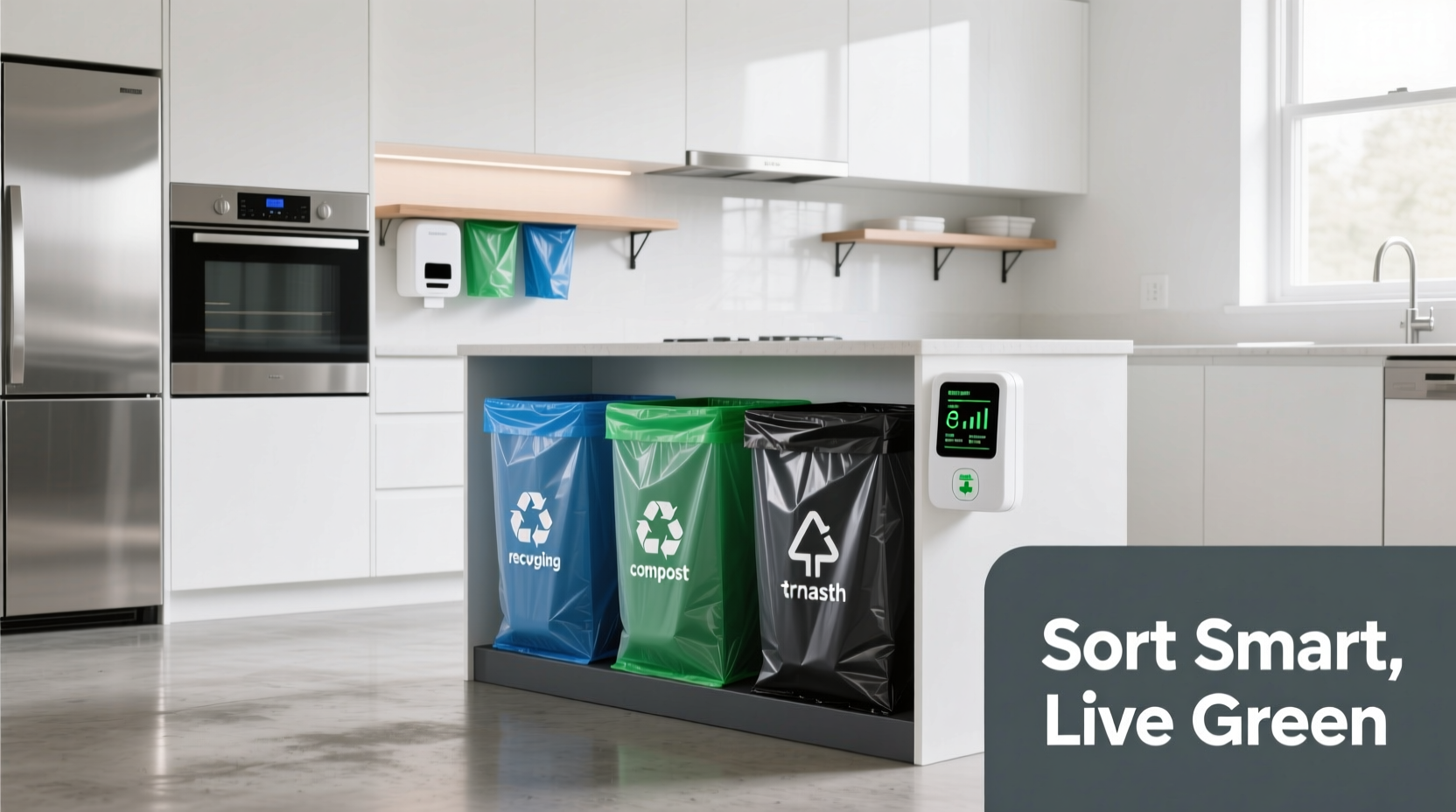
The kitchen produces the majority of household waste—ranging from food scraps and packaging to soiled paper and broken ceramics. When all these materials are dumped into a single bin, valuable recyclables often end up contaminated and unusable, while organic matter ferments and creates unpleasant smells. Municipal recycling programs frequently reject entire loads due to high contamination rates, undermining local sustainability efforts.
Proper sorting at the source—your kitchen—ensures that each type of waste follows the correct disposal path. According to the U.S. Environmental Protection Agency (EPA), over 30% of what ends up in landfills could be composted, and another 25% consists of recyclable materials like clean plastics, metals, and cardboard. By separating these streams early, you not only reduce your environmental footprint but also make collection faster and cleaner.
Choosing the Right Trash Bags for Each Waste Stream
Not all trash bags are created equal. Selecting the appropriate bag for each category enhances functionality and prevents leaks, tears, and cross-contamination. Here’s how to match bag characteristics to waste types:
- Compost/Organic Waste: Use biodegradable or compostable bags made from plant-based materials like cornstarch. These break down along with food scraps in compost facilities. Opt for smaller, 8–13 gallon drawstring bags that fit countertop compost pails.
- Recyclables: Choose durable, medium-thickness plastic bags in transparent or light blue colors to allow visual inspection. Medium-sized (13–20 gallon) bags work best for collecting bottles, cans, and clean paper without overfilling.
- General Landfill Waste: Standard heavy-duty black or dark gray trash bags (20–30 gallon) are ideal for non-recyclable, non-compostable items. Their opacity hides contents and discourages scavenging.
- Hazardous/Kitchen-Specific Waste: For items like used cooking oil containers, expired medications, or cleaning product residue, use sealed secondary containers and place them in puncture-resistant bags marked with hazard symbols if required locally.
| Waste Type | Recommended Bag | Color Suggestion | Special Features |
|---|---|---|---|
| Food Scraps & Organics | Biodegradable compost bag | Green or Brown | Odor-control lining, BPI-certified |
| Recyclables | Transparent HDPE or PE bag | Clear or Light Blue | Tear-resistant, breathable options available |
| General Garbage | Heavy-duty polyethylene | Black or Dark Gray | Leak-proof, scented variants optional |
| Used Paper Towels / Soiled Napkins | Medium-strength plastic or wax-lined | Brown or Beige | Moisture-resistant, suitable for damp waste |
Step-by-Step Guide to Implementing a Smart Bag System
- Assess Your Waste Output: Spend one week observing what types of waste your kitchen generates. Categorize by volume and frequency—e.g., coffee grounds daily, pizza boxes weekly.
- Select Bin Locations: Place compact bins under the sink, on a pull-out cabinet shelf, or on the countertop depending on space. Multi-compartment units work well for tight areas.
- Assign Colors and Labels: Match bag color to waste stream. Green for compost, blue for recycling, black for trash. Add laminated labels with pictograms.
- Stock Up Strategically: Purchase bags in bulk but store them in a dry closet to prevent degradation. Keep a spare roll near each station.
- Train Household Members: Conduct a brief orientation with everyone who uses the kitchen. Reinforce habits with reminders for the first two weeks.
- Maintain and Adjust: Empty bins regularly to avoid overflow. Reevaluate every three months—some categories may grow or shrink based on lifestyle changes.
Real Example: The Martinez Family’s Kitchen Transformation
The Martinez family of five in Portland, Oregon, struggled with kitchen waste for years. Their single oversized bin became a dumping ground where banana peels mixed with aluminum foil and greasy takeout containers. Recycling was inconsistent, and the smell often attracted fruit flies.
After attending a city-led zero-waste workshop, they adopted a three-bag system: green compostable bags for food scraps, clear blue-tinted bags for recyclables, and black heavy-duty bags for landfill waste. They installed a sleek under-sink pull-out unit with three compartments and labeled each with adhesive icons.
Within four weeks, their recycling contamination dropped by 70%, and their compost pickup increased by two full bins per month. “It sounds simple,” says Maria Martinez, “but color-coding the bags made all the difference. Even our 8-year-old knows where the yogurt cup goes.”
“Household waste systems succeed when they’re frictionless. Using distinct bags reduces decision fatigue and builds automatic sorting behavior.” — Dr. Alan Zhou, Urban Sustainability Researcher, University of California, Berkeley
Checklist: Launch Your Smart Waste System in 7 Steps
- ☐ Audit your kitchen waste for one week
- ☐ Choose appropriate bin setup (countertop, under-sink, etc.)
- ☐ Buy color-coded, purpose-specific trash bags
- ☐ Label each bin clearly with words and images
- ☐ Store extra bags in a designated, dry location
- ☐ Educate all household members on the system
- ☐ Review and refine the process monthly for the first quarter
Frequently Asked Questions
Can I use regular plastic bags for compost?
No. Standard plastic bags do not break down in composting environments and contaminate the process. Always use certified compostable bags that meet ASTM D6400 or BPI standards.
What if my city doesn’t offer curbside compost pickup?
You can still collect food scraps using compostable bags and drop them at a local community garden, farmers market, or municipal compost site. Some services even offer subscription-based pickup for urban homes.
How often should I empty each bin?
Compost bins should be emptied every 2–3 days to prevent odor and mold. Recycling can typically wait 5–7 days unless heavily used. General trash depends on volume but aim for no more than 4 days between disposals in warm climates.
Conclusion: Turn Waste Management Into a Seamless Habit
Smart kitchen waste organization isn’t about perfection—it’s about progress. By leveraging the simplicity of differentiated trash bags, you create a system that’s easy to follow, efficient to maintain, and aligned with ecological responsibility. The right bag for the right waste stream reduces mess, supports recycling integrity, and makes disposal a background task rather than a daily chore.
Start small: pick one change, like introducing a green compost bag this week. Build from there. Over time, these organized habits compound into a cleaner kitchen, a lighter environmental impact, and a household that works together seamlessly. Waste doesn’t have to be wasteful—when sorted intelligently, it becomes part of a smarter, more sustainable way of living.




 浙公网安备
33010002000092号
浙公网安备
33010002000092号 浙B2-20120091-4
Comments
No comments yet. Why don't you start the discussion?