
Stepping on a scale is one of the most common rituals for people trying to lose weight. But not all scales are created equal. While a traditional bathroom scale simply tells you your current weight, a smart scale offers a deeper look at your body composition—tracking metrics like body fat percentage, muscle mass, water weight, and bone density. The question isn't just about technology; it's about effectiveness. When it comes to actual weight loss success, which type of scale delivers better results?
The answer depends on how you use the information. A regular scale provides a single number, but that number can be misleading. Weight fluctuates daily due to hydration, hormones, and food intake. In contrast, a smart scale breaks down what’s behind the number, helping you make smarter decisions. But does this added insight translate into real-world weight loss progress?
How Each Scale Works: The Core Differences
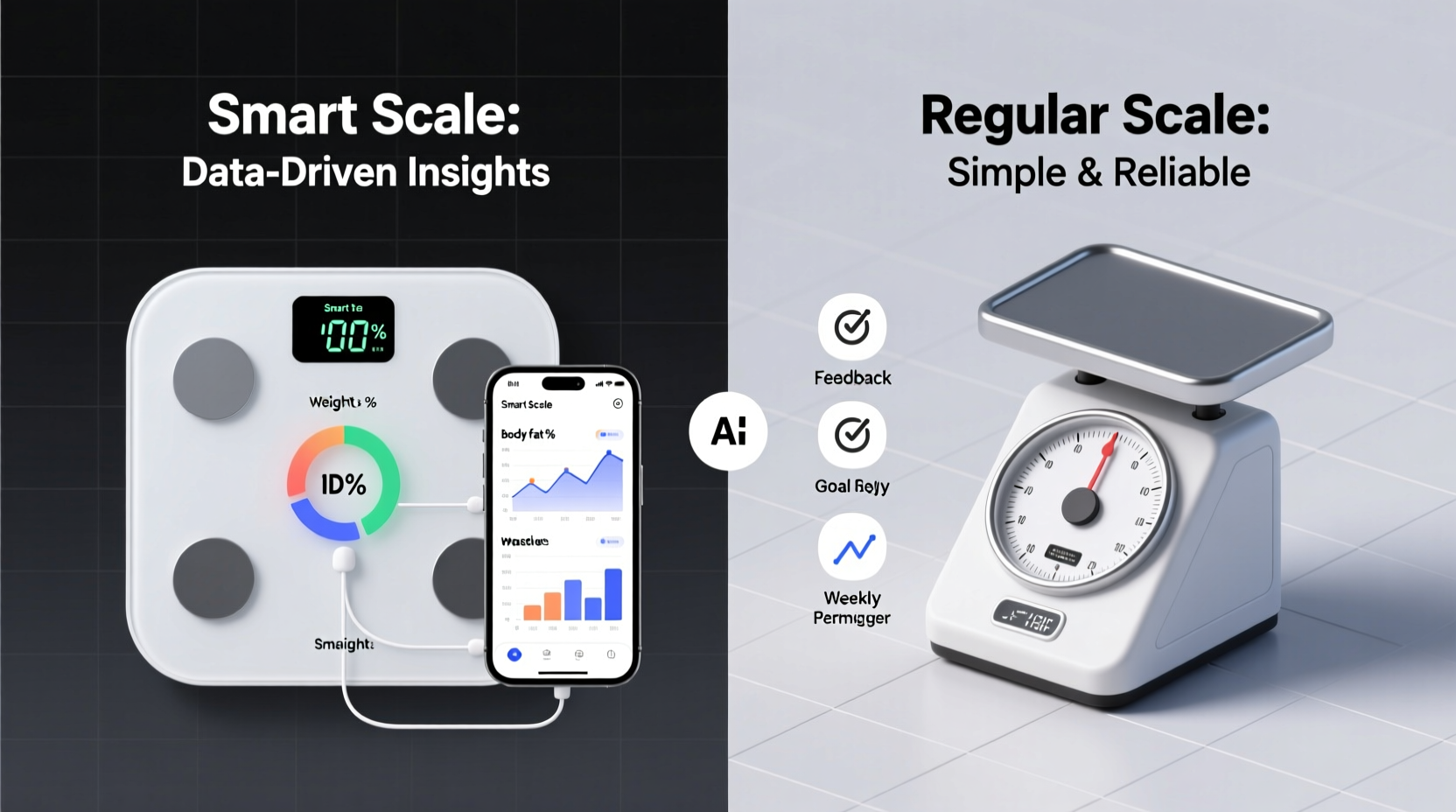
A regular scale operates on simple mechanics or load cells to measure total body weight in pounds or kilograms. It gives you one data point: your mass at that moment. That’s useful for tracking general trends over time, especially if you weigh yourself consistently under the same conditions.
Smart scales go beyond weight. They use a technology called bioelectrical impedance analysis (BIA). A small, harmless electrical signal passes through your body when you stand barefoot on the conductive surface. Since fat, muscle, and water conduct electricity differently, the scale calculates an estimate of body composition based on resistance.
Most smart scales sync with smartphone apps via Bluetooth or Wi-Fi, storing historical data and visualizing trends. Some models even distinguish between multiple users automatically and integrate with fitness trackers like Apple Watch, Fitbit, or Google Fit.
Why Data Depth Matters in Weight Loss
Losing weight isn’t just about reducing the number on the scale—it’s about losing fat while preserving lean muscle. This is where smart scales offer a distinct advantage. Consider this scenario: two people follow different diets and both lose 10 pounds over three months.
- Person A loses mostly fat and gains a little muscle.
- Person B loses muscle and water, with minimal fat loss.
On a regular scale, both outcomes look identical. But only Person A has achieved a healthier body composition. Without additional context, Person B might feel successful despite losing metabolically active tissue, which can slow future fat loss and increase rebound risk.
Smart scales help prevent this by revealing whether the weight change is coming from fat, muscle, or fluid. This awareness supports more informed decisions about diet and exercise. For example, if your fat mass drops but muscle stays stable, your approach is working. If muscle declines, it may be time to increase protein intake or add strength training.
“Body weight alone doesn’t tell you what kind of weight you’re losing. Relying solely on a basic scale can lead to misinterpretation and frustration.” — Dr. Lena Patel, Clinical Nutritionist and Metabolic Health Specialist
Comparison: Smart Scale vs Regular Scale
| Feature | Regular Scale | Smart Scale |
|---|---|---|
| Measures Total Weight | ✔️ Yes | ✔️ Yes |
| Body Fat Percentage | ❌ No | ✔️ Yes |
| Muscle Mass Estimate | ❌ No | ✔️ Yes |
| Water Weight / Hydration | ❌ No | ✔️ Yes |
| Bone Mass Estimate | ❌ No | ✔️ Yes |
| App Integration & Trend Tracking | ❌ No | ✔️ Yes |
| Multiple User Profiles | ❌ Limited | ✔️ Yes (auto-recognition) |
| Price Range | $15–$30 | $50–$150+ |
| Best For | Simple weight tracking, budget-conscious users | Detailed progress monitoring, fitness enthusiasts, long-term goals |
Real Example: How a Smart Scale Changed One Person’s Approach
Sarah, a 38-year-old office worker, started a weight loss journey focused on calorie restriction. She used a regular scale and celebrated when she dropped 8 pounds in six weeks. But her clothes didn’t fit better, and she felt weaker during workouts.
After switching to a smart scale, she discovered that nearly half her weight loss came from muscle and water—not fat. Her body fat percentage had barely changed. Shocked, she consulted a nutritionist who explained that extreme calorie deficits without strength training cause muscle loss.
Sarah adjusted her plan: she increased protein intake, added resistance exercises three times a week, and stopped obsessing over daily weight. Over the next ten weeks, she lost another 7 pounds—but this time, 90% was fat, and her muscle mass increased slightly. Her body fat percentage dropped significantly, and her energy improved.
The smart scale didn’t cause her success, but it provided the insight needed to pivot from ineffective to sustainable habits.
When a Regular Scale Is Enough
Not everyone needs a smart scale. For many, a regular scale works well—especially if used correctly. Research shows that regular self-weighing is associated with greater weight loss and maintenance. A study published in Obesity found that individuals who weighed themselves at least once a week were more likely to keep weight off long-term.
If your goal is straightforward fat loss and you're following a balanced diet and exercise routine, tracking total weight trends over time can be effective. The key is consistency: same time of day, same conditions, and focusing on weekly averages rather than daily fluctuations.
Additionally, some people find that too much data leads to obsession or discouragement. Seeing high body fat percentages—even if inaccurate—can harm motivation. Simplicity reduces mental load and keeps focus on behavioral changes rather than numbers.
Step-by-Step: Using Either Scale Effectively for Weight Loss
Whether you choose a smart scale or a regular one, how you use it matters most. Follow this timeline to maximize its impact:
- Week 1: Establish Baseline
Weigh yourself every morning under consistent conditions. Record the data. For smart scales, ensure proper setup and user profile accuracy. - Week 2: Calculate Weekly Average
Add up your daily weights and divide by 7. This becomes your starting point. Avoid reacting to single-day changes. - Weeks 3–12: Track Trends, Not Daily Numbers
Focus on the direction of the trend. A downward slope indicates progress, even if there are occasional increases. - Every 4 Weeks: Assess Beyond the Scale
Take measurements (waist, hips), assess how clothes fit, and evaluate energy levels. These non-scale victories confirm real progress. - Ongoing: Adjust Based on Feedback
If the scale stalls for more than two weeks, review diet, sleep, stress, and activity. Use smart scale data to check for muscle loss or water retention.
Limitations and Accuracy Concerns
While smart scales offer valuable insights, they aren’t medical-grade devices. BIA estimates can vary due to hydration levels, recent exercise, food intake, and even foot calluses. Two readings taken minutes apart can differ by several percentage points in body fat.
For example, stepping on the scale after a workout or a salty meal may show higher water weight and lower body fat temporarily. Similarly, dehydration inflates body fat readings because less water means higher resistance.
Therefore, smart scales should be used for trend analysis—not absolute precision. Their value lies in identifying patterns over time, not in the exact number displayed on any given day.
That said, newer models from reputable brands like Withings, Garmin, and Eufy have improved algorithms and multi-frequency signals that enhance accuracy. Paired with consistent usage habits, they provide reliable relative comparisons.
Frequently Asked Questions
Can a smart scale help me lose weight faster?
Not directly. A smart scale doesn’t cause weight loss, but it can accelerate progress by revealing whether your efforts are targeting fat loss effectively. This feedback loop allows quicker adjustments to diet and exercise.
Are smart scales accurate for body fat measurement?
They are reasonably accurate for tracking trends but less so for absolute values. Compared to DEXA scans (the gold standard), consumer smart scales may be off by 3–5%. However, consistency in measurement conditions makes them useful for monitoring change over time.
Do I need Wi-Fi for a smart scale?
Not always. Most smart scales use Bluetooth to sync with your phone. Wi-Fi is only required if you want automatic syncing without opening the app or connecting to cloud services for backup and integration.
Action Plan Checklist
To get the most out of your scale—whether smart or regular—follow this checklist:
- ✅ Weigh at the same time each day (preferably morning)
- ✅ Use the bathroom before stepping on the scale
- ✅ Stand barefoot with dry feet (critical for smart scales)
- ✅ Track weekly averages, not daily numbers
- ✅ Combine scale data with other indicators (measurements, photos, energy)
- ✅ Reassess strategy if no trend change occurs in 3+ weeks
- ✅ Stay hydrated and avoid weighing right after intense workouts or large meals
Conclusion: Choosing What Works for You
The choice between a smart scale and a regular scale ultimately depends on your goals, mindset, and how you respond to data. If you're motivated by detailed feedback and want to understand the composition of your weight loss, a smart scale is a worthwhile investment. It transforms vague outcomes into actionable insights, helping you preserve muscle, reduce fat, and build sustainable habits.
But if simplicity keeps you consistent—and you're already making healthy lifestyle changes—a regular scale can be just as effective. The act of regular monitoring, regardless of device sophistication, improves accountability and long-term adherence.
What matters most isn’t the tool itself, but how you interpret and act on the information. Whether you see one number or ten, the real power lies in using that data wisely to support lasting change.




 浙公网安备
33010002000092号
浙公网安备
33010002000092号 浙B2-20120091-4
Comments
No comments yet. Why don't you start the discussion?