
Every home cook knows the frustration of opening a jar of cumin only to find it has lost its punch, or forming patties from ground beef that crumbles instead of searing beautifully. These small failures often stem not from technique, but from overlooked fundamentals: proper spice storage and intelligent handling of perishable ingredients like ground beef. When spices degrade and meat is mishandled, even well-executed recipes fall flat. Understanding how to preserve potency in spices and maintain integrity in ground beef transforms everyday cooking into consistent, flavorful results. This guide delivers actionable, science-backed strategies used by professional kitchens—applied practically for the home cook.
Definition & Overview
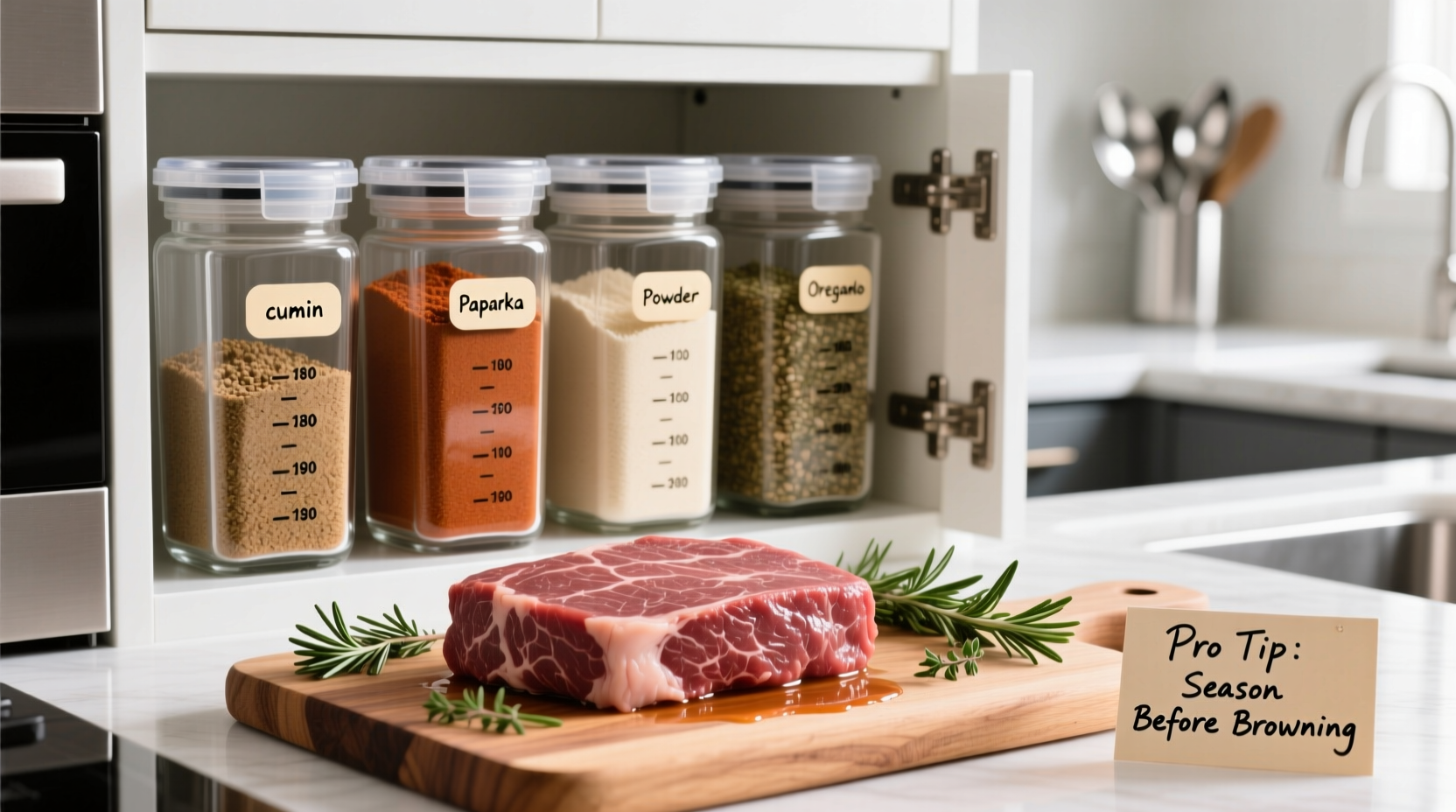
Spices are dried plant materials—typically seeds, roots, bark, or fruit—that impart flavor, aroma, color, and sometimes heat to food. Unlike herbs, which come from the leafy parts of plants, spices originate from more concentrated sources and are usually used in smaller quantities due to their intensity. Common examples include cumin, coriander, cinnamon, turmeric, and black pepper.
Ground beef, meanwhile, is minced muscle tissue from cattle, typically trimmed of excess fat and processed through a grinder. It’s a foundational protein in cuisines worldwide, used in dishes ranging from tacos and meatloaf to Bolognese and kofta. Its versatility lies in its ability to absorb seasonings, brown effectively, and bind with other ingredients when properly handled.
Both elements are kitchen staples, yet they are frequently mismanaged. Spices lose potency when exposed to environmental factors; ground beef deteriorates quickly if temperature and handling protocols aren’t followed. Mastering their care isn't gourmet—it's essential.
Key Characteristics
Spices
- Flavor Profile: Varies widely—from warm (cinnamon), earthy (cumin), floral (cardamom), to pungent (mustard seed).
- Aroma: Highly aromatic compounds (essential oils) are central to a spice’s identity and diminish over time.
- Color: Vibrant hues fade with exposure to light and oxygen (e.g., paprika turns dull red, turmeric loses golden luster).
- Heat Level: Some spices contribute heat (chili powders, cayenne); others enhance warmth without spiciness (nutmeg, allspice).
- Shelf Life: Whole spices: 2–4 years; ground spices: 6 months to 2 years, depending on storage.
- Culinary Function: Flavor enhancement, color contribution, aroma development, and sometimes preservation (e.g., antimicrobial properties in cloves).
Ground Beef
- Fat Content: Ranges from lean (7%–10%) to standard (15%–20%). Affects juiciness, browning, and binding capacity.
- Texture: Should be cohesive but not sticky. Overhandling leads to toughness.
- Color: Fresh meat is bright cherry red due to oxymyoglobin; grayish-brown indicates oxidation or spoilage.
- Shelf Life: 1–2 days in refrigerator at ≤40°F (4°C); up to 4 months frozen.
- Safety Risk: High susceptibility to bacterial growth (e.g., E. coli, Salmonella) if temperature abused.
- Culinary Function: Base for sauces, fillings, burgers, casseroles; acts as a flavor carrier when seasoned correctly.
Expert Insight: “The moment you grind a spice, you begin losing volatile oils. The same goes for grinding meat—you’re increasing surface area, which accelerates both browning and spoilage.” — Chef Elena Ruiz, Culinary Instructor, Institute of Artisan Foods
Practical Usage: How to Use Spices and Ground Beef Effectively
Maximizing Spice Impact
To extract full flavor from spices, consider timing, form, and method:
- Dry Toasting: Heat whole or ground spices in a dry skillet over medium-low heat for 30–90 seconds until fragrant. This reactivates essential oils. Example: Toast cumin seeds before adding to chili or rice.
- Bloom in Oil: Add ground spices to hot oil early in sautéing (after aromatics like onion and garlic). Heat disperses fat-soluble compounds evenly. Critical for curries, stews, and tomato sauces.
- Layering Flavors: Combine whole spices (e.g., bay leaf, cinnamon stick) with ground versions during cooking for depth. Remove whole pieces before serving.
- Finishing Touch: Sprinkle delicate ground spices (smoked paprika, sumac) at the end to preserve aroma.
Optimal Ground Beef Handling
The key to great results with ground beef lies in minimizing manipulation and maximizing control:
- Keep Cold Until Ready: Remove from fridge only when ready to cook. Warm meat smears instead of searing.
- Pat Dry Before Browning: Excess moisture steams rather than sears. Blot with paper towel for better Maillard reaction.
- Sear in Batches: Overcrowding lowers pan temperature. Brown in single layers, then combine.
- Season After Shaping: Salting too early draws out moisture, leading to dense texture. Season just before cooking or after browning.
- Use Binders Sparingly: For meatloaf or burgers, use one egg per pound and minimal breadcrumbs. Too much filler causes crumbling or sponginess.
Pro Tip: For ultra-flavorful beef dishes, deglaze the pan with a splash of red wine or broth after browning. Scrape up browned bits (fond)—they contain concentrated flavor.
Variants & Types
Spice Forms: Whole vs. Ground
| Form | Best Used For | Storage Advantage | Example Applications |
|---|---|---|---|
| Whole Spices | Long-term storage, infusions, pickling, slow-cooked dishes | Lasts 2–4x longer than ground; essential oils remain sealed | Bay leaves in soup, mustard seeds in curry, star anise in pho |
| Ground Spices | Quick-cooking dishes, rubs, baking, spice blends | Convenient but degrades faster; best used within 6–12 months | Curry powder, garam masala, chili seasoning, pie spice |
| Freshly Ground (from whole) | Maximum flavor impact, gourmet applications | Peak potency; use immediately after grinding | Peppermill use, homemade ras el hanout, custom taco blend |
Types of Ground Beef
Labeling varies by region, but U.S. standards define ground beef by fat content:
- Ground Chuck (15–20% fat): Rich flavor, ideal for burgers and meat sauces.
- Ground Round (10–12% fat): Leaner, suitable for dishes where fat is drained (e.g., tacos).
- Ground Sirloin (8–10% fat): Balanced leanness and taste; good for meatballs.
- Extra Lean (≤5% fat): Very lean, prone to dryness; best mixed with moisture-rich ingredients (grated onion, tomato paste).
Note: “Hamburger” may include added fat (up to 30%), while “ground beef” cannot have fat added. Check labels carefully.
Comparison with Similar Ingredients
Spices: Paprika vs. Chili Powder
Often confused, these differ in composition and use:
| Feature | Paprika | Chili Powder |
|---|---|---|
| Base Ingredient | Dried red peppers (Capsicum annuum) | Blend: chili peppers + cumin, garlic, oregano |
| Flavor | Sweet, mild, earthy (can be smoked or hot) | Spicy, complex, savory |
| Use Case | Garnish, color agent, Hungarian goulash | Tacos, chili con carne, Tex-Mex dishes |
| Substitution | Can replace mild chili powder in pinch (add cumin separately) | Not ideal substitute for pure paprika due to added spices |
Meat: Ground Beef vs. Ground Turkey
While interchangeable in some recipes, differences affect outcome:
- Flavor: Beef has richer, umami depth; turkey is milder.
- Fat Content: Turkey is leaner, leading to drier results if not adjusted.
- Browning: Beef browns more readily due to higher myoglobin and fat.
- Binding: Turkey requires more binder (egg, breadcrumb) to hold shape.
- Nutrition: Turkey lower in saturated fat and calories.
When substituting, add olive oil or grated zucchini to turkey for moisture, and boost seasoning to compensate for milder taste.
Practical Tips & FAQs
Q: How do I know if my spices are still good?
A: Perform the smell and color test. If a spice has little aroma or looks faded, it’s likely past peak. Crush a pinch between fingers—if no fragrance releases, discard. No amount of cooking will restore lost volatiles.
Q: Should I freeze spices to extend shelf life?
A: Only in rare cases. Freezing can cause condensation when jars are opened, promoting clumping and mold. Store in a cool, dark, dry cabinet instead. Whole spices benefit most from stable conditions—not cold extremes.
Q: Can I refreeze ground beef after thawing?
A: Yes, but only if thawed in the refrigerator (≤40°F). Never refreeze meat left at room temperature. Texture may degrade slightly, but safety remains intact. Label with date and use within 1–2 days.
Q: Why does my ground beef turn gray in the middle of the package?
A: Oxygen exposure determines color. Surface meat turns red when exposed to air; interior turns gray due to lack of oxygen. This is normal. However, if the entire package is brown or gray, smells sour, or feels slimy, it has spoiled.
Q: What’s the best container for spice storage?
A: Opaque, airtight glass or metal tins. Avoid clear plastic or jars near the stove. UV light and heat degrade compounds rapidly. Amber or cobalt bottles offer protection. Keep away from dishwashers, ovens, and windows.
Q: How long can I keep cooked ground beef in the fridge?
A: Up to 3–4 days in an airtight container. Cool quickly (within 2 hours of cooking) to prevent bacterial growth. Reheat to 165°F (74°C) for safety.
Checklist: Smart Spice Storage Habits
- Buy whole spices when possible
- Grind small batches as needed using a dedicated coffee grinder
- Label jars with purchase date
- Store in a drawer or closed cabinet away from stove
- Replace ground spices every 12–18 months
- Never store above the range—heat kills flavor
Checklist: Safe & Effective Ground Beef Handling
- Check expiration date before purchasing
- Transport in insulated bag; refrigerate within 30 minutes
- Use separate cutting board and utensils for raw meat
- Wash hands and surfaces after handling
- Cook to minimum internal temperature of 160°F (71°C)
- Drain excess fat after browning to reduce greasiness
- Portion and freeze unused meat immediately
“I judge a kitchen not by its gadgets, but by its spice drawer. Are the jars dusty? Is paprika three years old? That tells me everything about the flavors coming out of that stove.” — Daniel Park, Executive Chef, Hearth & Thyme
Summary & Key Takeaways
Great cooking begins with respect for ingredients. Spices and ground beef, though common, demand attention to detail. Their quality directly influences the success of countless dishes. By applying smart storage and handling techniques, home cooks unlock deeper flavors, safer practices, and more consistent outcomes.
For spices: Prioritize whole forms, protect from light and heat, bloom in oil, and replace regularly. Flavor degradation is silent but irreversible.
For ground beef: Maintain cold chain integrity, avoid overhandling, brown properly, and follow food safety guidelines. Temperature control is non-negotiable.
These principles are not advanced—they are foundational. They reflect what separates functional meals from memorable ones. A teaspoon of fresh cumin can transform a stew. Properly seared beef elevates a simple taco. Mastery lies not in complexity, but in consistency.
Final Action Step: Audit your spice cabinet today. Discard anything older than two years (whole) or one year (ground). Replace three core spices—paprika, cumin, and black pepper—with fresh, whole versions. Grind them yourself. Taste the difference in your next meal. Then, apply the same diligence to your next batch of ground beef. Your palate will thank you.




 浙公网安备
33010002000092号
浙公网安备
33010002000092号 浙B2-20120091-4
Comments
No comments yet. Why don't you start the discussion?