
Clutter accumulates quietly. One day, a drawer overflows with cables, the next, a shelf buckles under loose craft supplies. The challenge isn’t just cleaning—it’s maintaining order. Among the most effective tools for taming chaos are lid boxes: stackable, durable, and versatile. When used strategically, they transform disarray into a streamlined system. The key lies not in owning boxes, but in using them intelligently.
Lid boxes—whether plastic, fabric-covered, or cardboard—are more than containers. They are organizational units that define zones, protect contents, and make retrieval effortless. This guide explores how to leverage these simple tools to organize even the most chaotic collections of miscellaneous items, from office supplies to seasonal accessories.
Assess Your Clutter Before You Box
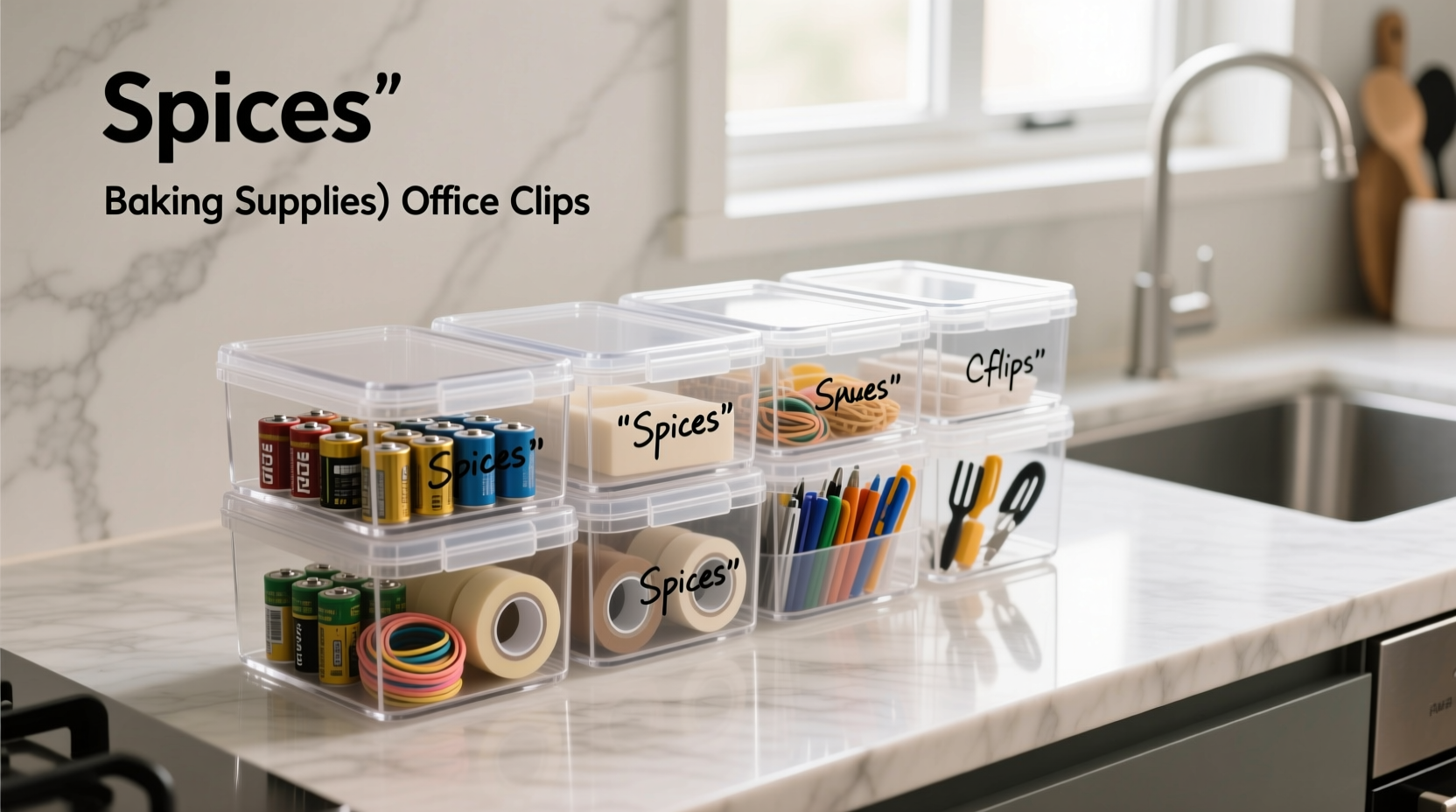
Jumping straight into boxing leads to inefficient systems. Begin with an audit. Pull out all items you intend to organize—craft materials, garage tools, holiday decorations—and sort them into broad categories:
- Electronics & cables
- Office supplies
- Seasonal décor
- Sewing & craft materials
- Small hardware (screws, nails, bolts)
- Toys and games
Within each category, ask: Is this item used? Needed? Replaceable? Discard broken, expired, or redundant items before storage. This step prevents wasted space and ensures every box serves a purpose.
Choosing the Right Lid Boxes for the Task
Not all lid boxes are created equal. Size, material, transparency, and durability impact functionality. Consider the environment and contents when selecting.
| Box Type | Best For | Avoid For |
|---|---|---|
| Clear Plastic with Snap Lids | Visible storage; small parts like beads or screws | Long-term archival; humid areas |
| Fabric-Covered Cardboard | Decorative spaces; clothing accessories | Heavy items; damp basements |
| Rigid Polypropylene | Garage tools; outdoor gear | Display shelves; lightweight needs |
| Foldable Fabric Bins | Temporary sorting; kids’ toys | Precise stacking; moisture-prone zones |
For high-use areas like home offices or workshops, clear, stackable plastic boxes offer visibility and resilience. In living areas or closets, fabric bins blend aesthetics with function. Always measure your storage space—shelf height, depth, and width—to ensure boxes fit without gaps or overhang.
Step-by-Step Guide: Organizing Cables and Chargers
Cables are among the most common yet frustrating miscellaneous items. A single drawer can house dozens of cords with no labeling. Here’s how to fix it:
- Unplug and untangle: Remove all cables from drawers or bags. Lay them out on a flat surface.
- Test each one: Plug devices in to confirm functionality. Discard frayed or non-working cords.
- Group by device type: Separate phone chargers, laptop adapters, HDMI cables, etc.
- Coil and secure: Use Velcro ties or reusable rubber bands to keep coils tight.
- Label clearly: Attach tags or use a label maker with device names (e.g., “iPad Pro Charger”).
- Store in small clear boxes: Choose shallow, divided containers so cables don’t tangle again.
- Stack and place: Position near outlets or in a designated tech drawer for quick access.
Real Example: Transforming a Home Craft Cabinet
Marina, a hobbyist quilter, struggled with a kitchen cabinet overflowing with thread spools, buttons, and fabric scraps. She used mismatched containers, making it hard to find matching thread mid-project. After adopting lid boxes, she reorganized as follows:
- Assigned narrow, clear plastic boxes for thread, labeled by color family and brand.
- Used medium square bins for buttons, grouped by size and material.
- Dedicated larger boxes for fabric remnants, folded uniformly and tagged with project origin.
- Mounted labels on box lids so she could read them while boxes were stacked.
The result: a 70% reduction in search time. Projects moved faster, and Marina found herself crafting more often because setup wasn’t a chore. Her system became sustainable because it respected both visibility and logic.
Expert Insight: The Psychology of Accessible Storage
Organization isn’t just physical—it’s behavioral. How we store items influences whether we maintain the system.
“People abandon storage systems when retrieval takes too long. Transparent lid boxes with clear labels lower friction, making it easier to return items and reuse the system consistently.” — Dr. Lena Torres, Behavioral Organizational Psychologist
Dr. Torres emphasizes that efficiency isn’t about minimizing boxes—it’s about maximizing usability. If opening a container feels like a task, the system fails. Snap-lid boxes that open with one hand, or front-access bins that don’t require unstacking, align better with human behavior.
Do’s and Don’ts of Lid Box Organization
Avoid common pitfalls that undermine even the best-intentioned efforts. Refer to this checklist to stay on track.
| Do | Don’t |
|---|---|
| Label every box—use permanent markers or printed labels | Assume you’ll remember what’s inside |
| Leave 1–2 inches of headspace to prevent overfilling | Pack boxes to the brim, risking damaged lids |
| Use consistent box sizes for neat stacking | Mix deep and shallow boxes haphazardly |
| Place frequently used items at eye level | Bury daily essentials under rarely used ones |
| Review contents quarterly to purge unused items | Forget about boxes once stored |
FAQ: Common Questions About Lid Box Efficiency
Can I use lid boxes in humid environments like garages or basements?
Yes, but only if they’re made from moisture-resistant materials like polypropylene. Avoid cardboard or fabric-covered boxes in damp areas. Add silica gel packs inside to reduce internal condensation.
How do I prevent boxes from sliding when stacked?
Choose boxes with interlocking rims or anti-slip textures. Alternatively, use non-adhesive shelf liner between layers. Never stack more than four standard-sized boxes unless designed for vertical load-bearing.
What’s the best way to label boxes for long-term clarity?
Use weather-resistant labels or write directly on the lid with a permanent marker. Include both category (e.g., “Xmas Lights”) and contents summary (e.g., “String lights – red, 25 ft”). For shared households, use icons alongside text for universal understanding.
Checklist: Building Your Efficient Lid Box System
Follow this sequence to create a lasting organization strategy:
- Sort all miscellaneous items by use and category
- Discard broken, duplicate, or obsolete items
- Select lid box types based on location and contents
- Standardize sizes where possible for stacking efficiency
- Label each box clearly on the lid and side
- Store high-use items within easy reach
- Implement a quarterly review to update or consolidate
Conclusion: Turn Chaos Into Control
Organizing miscellaneous items isn’t about perfection—it’s about progress. Lid boxes offer a scalable, adaptable solution that grows with your needs. By choosing the right containers, labeling thoughtfully, and designing for ease of access, you create a system that works with your habits, not against them. The effort invested today pays dividends in time saved, stress reduced, and space reclaimed tomorrow.




 浙公网安备
33010002000092号
浙公网安备
33010002000092号 浙B2-20120091-4
Comments
No comments yet. Why don't you start the discussion?