
A small coin purse wallet is a minimalist’s dream—compact, portable, and perfect for carrying just the essentials. Yet its limited space can quickly become chaotic without intentional organization. When coins rattle, cards jam, or receipts crumple inside, what should be a tool of convenience turns into a source of frustration. The key isn’t more space—it’s smarter use of the space you have. With thoughtful habits and strategic design choices, even the tiniest wallet can support an efficient, clutter-free daily routine.
Choose the Right Wallet Design
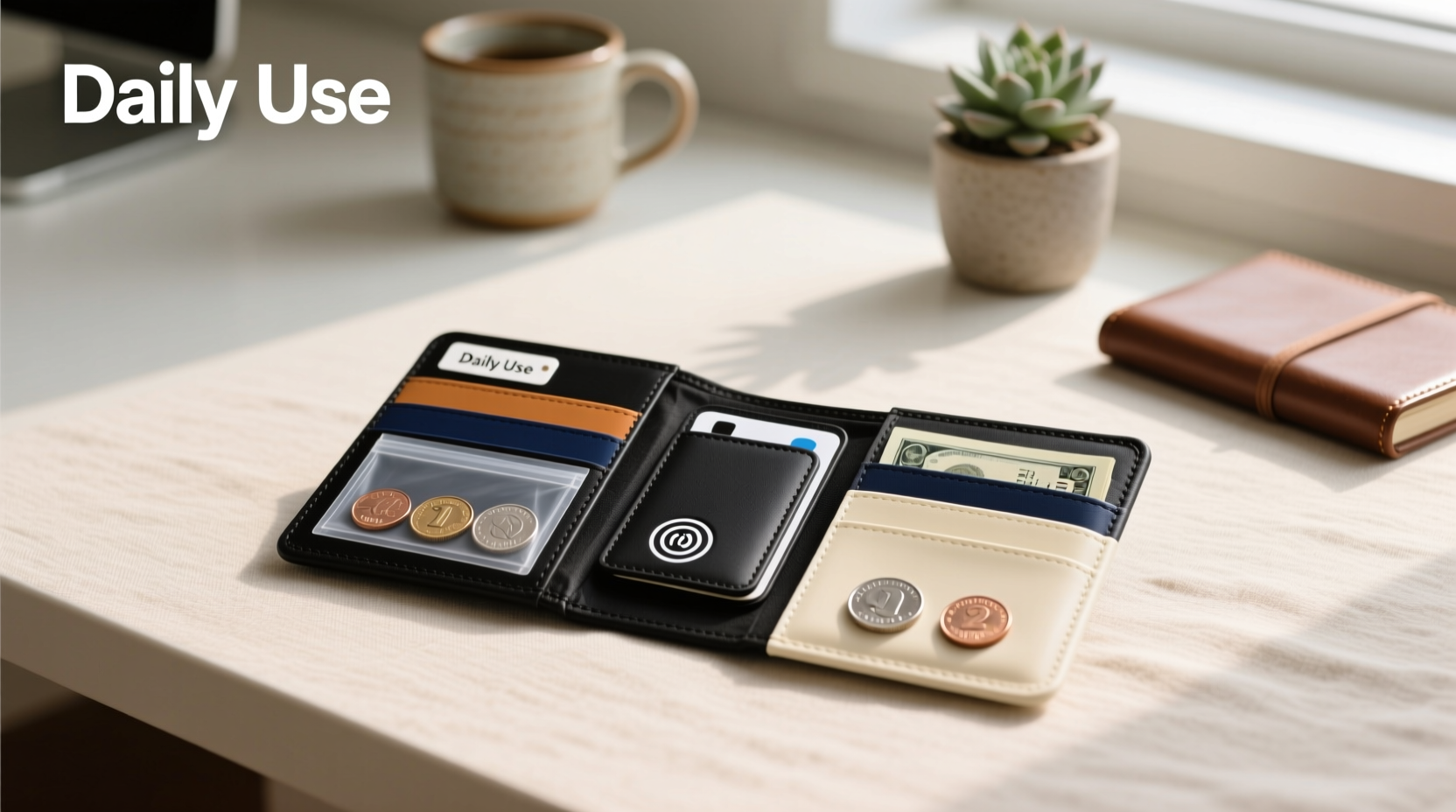
The foundation of effective organization begins with selecting a wallet that supports your lifestyle. Not all small coin purses are created equal. Some prioritize style over function, offering little internal structure. Others blend elegance with utility through well-placed compartments and durable materials.
Look for wallets with at least three designated zones: one for coins (zippered or snap closure), a slim card slot section, and a flat bill compartment. Horizontal zipper coin purses allow full visibility when opened, making it easier to spot exact change. Vertical designs save space but may limit access.
Material Matters
Leather offers durability and molds slightly to contents over time, improving fit. Nylon or canvas options are lightweight and washable—ideal for active users. Avoid overly stiff materials that resist opening or crease sharply under pressure.
Declutter Daily: The One-In, One-Out Rule
Maintaining order in a small wallet requires consistent discipline. Without regular maintenance, receipts, expired coupons, and forgotten gift cards accumulate unnoticed. Apply the “one-in, one-out” principle: every time you add something new—a loyalty card, ticket stub, or new coin—you remove an old item.
“Minimalism in personal accessories reduces decision fatigue and streamlines everyday interactions.” — Daniel Park, Behavioral Organizational Consultant
This rule prevents overload and trains you to assess value before storage. If an item hasn’t been used in 30 days, it likely doesn’t belong in your primary wallet.
Evening Reset Routine
Spend two minutes each night emptying your wallet onto a clean surface. Sort items into categories: keep, discard, relocate to home storage. Wipe down the interior with a dry microfiber cloth to remove dust and oils from handling.
Strategic Item Placement System
How you arrange contents determines how fast you can retrieve them. Use a zoning strategy based on frequency of use and urgency.
| Zone | Location | Contents | Access Frequency |
|---|---|---|---|
| Quick Access | Front exterior or top flap | Transportation card, office badge | Multiple times daily |
| Primary Use | Main inner slots | Debit/credit card, ID | Daily |
| Occasional | Secondary pockets | Loyalty cards, membership tags | Weekly |
| Rare | Zippered coin section or back panel | Coins, emergency cash, backup SIM | Monthly or less |
Place high-use items where they’re visible and require minimal unfolding. Keep coins separated by denomination if possible—some advanced coin purses include internal dividers. Stack paper currency neatly, facing the same direction, to avoid fumbling during transactions.
Real-Life Example: Maria’s Commute Upgrade
Maria, a graphic designer in Portland, used to carry a stuffed coin purse that made checking transit fare a public struggle. After adopting the zoning system, she moved her ORCA card to a front slip pocket, kept only two payment cards inside, and stored coins in a diagonal zippered section. She also began removing sales receipts immediately after reviewing them.
Within a week, her average transaction time dropped from 18 seconds to under 7. More importantly, she stopped missing train connections due to wallet delays. “It sounds minor,” she says, “but not panicking at the turnstile changed my whole morning rhythm.”
Step-by-Step Weekly Organization Guide
Follow this five-step process every Sunday evening to maintain peak wallet efficiency:
- Empty Completely: Remove every item and place on a clean tray or towel.
- Categorize: Group items into coins, cards, cash, and miscellaneous.
- Assess Value: Ask: “Have I used this in the past week?” If not, set aside for review.
- Reinsert Strategically: Use the zoning table above to position each item for optimal access.
- Test Functionality: Simulate real-world actions—swipe cards, unzip coins, unfold bills—to ensure smooth operation.
Common Mistakes That Sabotage Small Wallets
- Overloading cards: Carrying more than four cards defeats the purpose of a compact wallet.
- Ignoring wear signs: Frayed stitching or broken zippers compromise security and accessibility.
- Mixing currencies: Foreign coins left behind create confusion and take up valuable space.
- Using as a receipt holder: Digital photos or expense apps are better suited for transaction records.
- Skipping cleaning: Built-up grime attracts bacteria and degrades material integrity.
Frequently Asked Questions
How many coins should I carry in a small purse?
Carry no more than $2–$3 in mixed denominations. Enough for parking meters, vending machines, or tip jars—but not so much that weight distorts the wallet. Replenish weekly during your reset routine.
Can I use digital wallets instead of physical cards?
Absolutely. Link your most-used cards to Apple Pay, Google Wallet, or Samsung Pay. This allows you to reduce physical cards to just one backup and your ID. Many modern coin purses now include RFID-blocking layers to protect digital signals.
What if my wallet doesn’t have enough sections?
Use adhesive mini card strips or foldable silicone sleeves to create custom divisions. These take up minimal space and prevent cards from sliding around. Alternatively, consider upgrading to a modular wallet designed for micro-organization.
Checklist: Your Smart Wallet Readiness Score
Rate yourself using this practical checklist. Aim for 8+ checked items for optimal functionality:
- ✅ Wallet closes easily without strain
- ✅ All essential cards are accessible within 3 seconds
- ✅ Coins are contained and not loose
- ✅ No expired or unused cards present
- ✅ Currency is unfolded and uniformly oriented
- ✅ No lingering receipts or wrappers
- ✅ Interior is clean and odor-free
- ✅ Emergency cash ($5–$10) is securely stored
- ✅ At least one digital payment method is set up
- ✅ You’ve performed a full reset in the last 7 days
Conclusion: Efficiency Starts in Your Pocket
A well-organized small coin purse wallet does more than hold money—it reflects intentionality. Each streamlined interaction, from paying for coffee to tapping into transit, becomes a small victory in daily efficiency. By choosing the right design, maintaining discipline, and placing items with purpose, you transform a simple accessory into a powerful productivity tool.




 浙公网安备
33010002000092号
浙公网安备
33010002000092号 浙B2-20120091-4
Comments
No comments yet. Why don't you start the discussion?