
Applying for your first credit card is a significant step toward building financial independence. It’s more than just a piece of plastic—it’s a tool that, when used wisely, can open doors to better loan terms, rental approvals, and even job opportunities. But without proper preparation, it can also lead to debt, high interest, and damaged credit. The key is not just getting approved, but doing so in a way that sets you up for long-term success.
Understand Your Credit Standing First
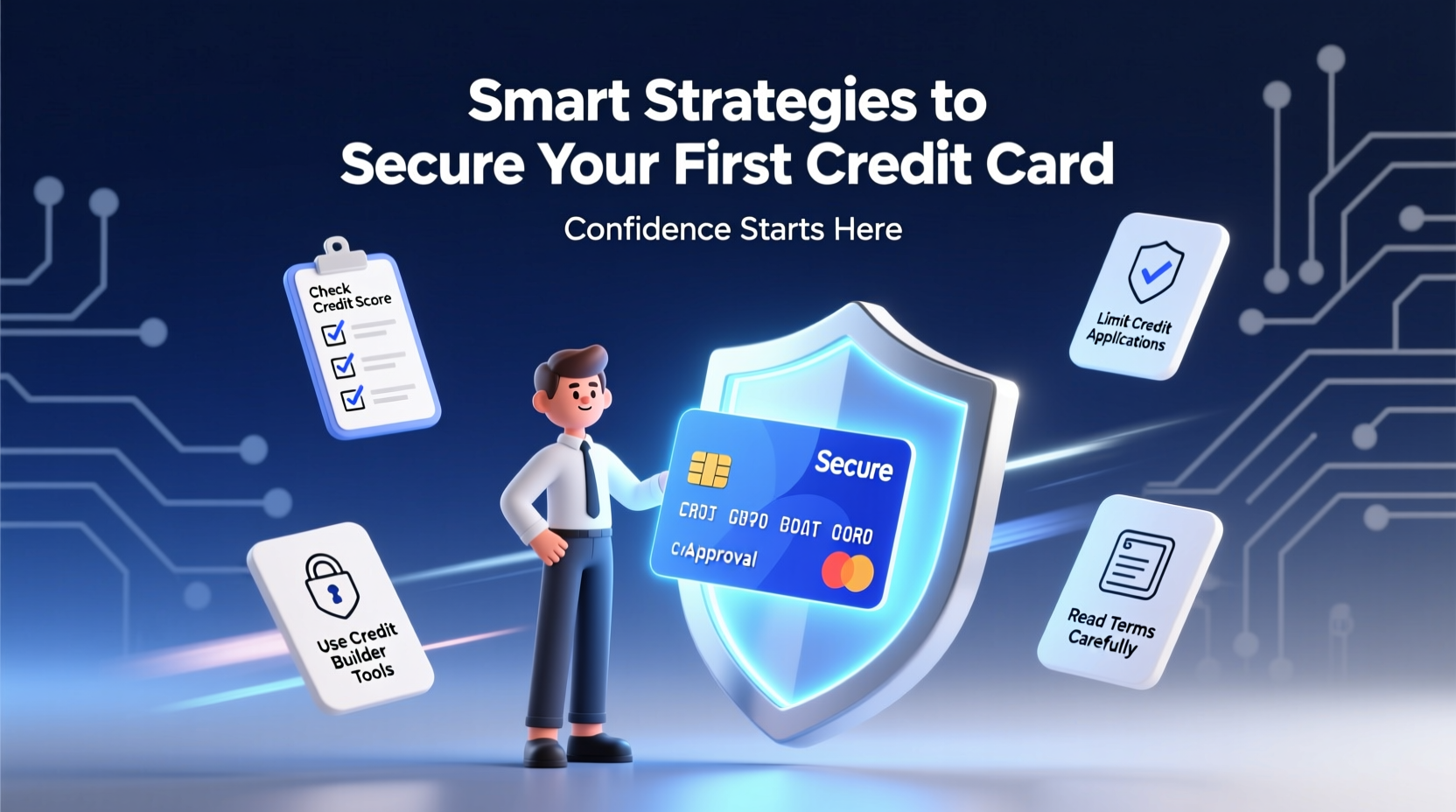
Before applying for any credit card, know where you stand. Many first-time applicants assume they have no credit history—but that’s not always true. You might already have a thin file due to student loans, utility payments, or even being an authorized user on a family member’s account.
Check your credit reports from the three major bureaus—Equifax, Experian, and TransUnion—at AnnualCreditReport.com. While most first-timers won’t have a FICO score yet, seeing what data exists helps you avoid surprises during applications.
Choose the Right Type of Card for Beginners
Not all credit cards are created equal—especially for those with limited or no credit. Applying for a premium travel card right away will likely result in rejection and could hurt your chances elsewhere due to hard inquiries.
Start with products designed for newcomers:
- Secured credit cards: Require a refundable security deposit (often $200–$500), which becomes your credit limit. These are widely accepted by issuers because they minimize risk.
- Credit-builder loans: Offered by credit unions and online lenders, these help establish payment history before you even get a card.
- Student credit cards: Tailored for college students with minimal income or credit history.
- Authorized user status: Ask a trusted family member to add you to their existing account. Their positive payment history can boost your score—provided the issuer reports authorized user activity.
“Your first credit card isn’t about rewards or perks—it’s about proving you can manage credit responsibly.” — Lisa Johnson, Certified Financial Counselor
Step-by-Step Guide to Applying Successfully
Confidence comes from preparation. Follow this timeline to increase your odds of approval while minimizing damage to your credit report.
- Week 1: Review Your Finances
Calculate your monthly income and expenses. Lenders look at debt-to-income ratio—even for first cards. Aim to show stable income, whether from work, scholarships, or parental support. - Week 2: Research & Compare Options
Look for cards with no annual fee, low starting limits, and reporting to all three credit bureaus. Avoid predatory offers with high setup fees disguised as “prepaid” cards. - Week 3: Pre-Qualify When Possible
Many issuers offer soft-check pre-qualification tools. These let you see estimated approval odds without affecting your credit score. - Week 4: Submit One Application
Apply for only one card at a time. Multiple rejections in a short period signal risk to lenders. If denied, wait at least 90 days before trying again. - Ongoing: Track and Report Progress
Use apps or spreadsheets to monitor your credit utilization, payment dates, and score changes over time.
Do’s and Don’ts When Managing Your First Card
| Do | Don't |
|---|---|
| Pay your balance in full every month | Carry a balance expecting to build credit faster |
| Set up automatic payments for at least the minimum | Miss a payment, even by one day |
| Keep credit utilization under 30% (ideally under 10%) | Max out your card or treat it like free money |
| Use alerts for due dates and spending thresholds | Ignore statements or skip reviewing charges |
| Ask for a credit limit increase after 6 months of on-time payments | Apply for multiple cards within the first year |
Real Example: How Maria Built Credit in 12 Months
Maria, a 20-year-old college sophomore, had no credit history. She wanted to start building credit to qualify for a car loan after graduation. Instead of applying randomly, she took a strategic approach.
She opened a secured card with a $300 deposit and received a $300 credit limit. Each month, she charged her $40 phone bill and set up autopay through her checking account. She never spent beyond her means and kept her utilization at 13%.
After six months, her Experian FICO rose from “No Score” to 672. By month 10, she was pre-approved for an unsecured student card with no annual fee. Within a year, she had two active accounts, a clean payment history, and enough credit to be approved for a used car loan at 4.9% APR—far below the average for first-time borrowers.
Maria’s success wasn’t luck. It came from consistency, discipline, and choosing the right starting point.
Frequently Asked Questions
Can I get a credit card with no income?
Lenders typically require some form of verifiable income—even part-time work, stipends, or spousal income. Minors cannot legally enter into credit contracts. If you're under 21 and lack independent income, becoming an authorized user may be your best entry point.
Will applying for a credit card hurt my credit score?
A single hard inquiry usually lowers your score by 5–10 points temporarily. However, multiple applications in a short window can compound the impact and signal financial distress. Always apply selectively and only when prepared.
How long does it take to build good credit from scratch?
You can establish a basic credit history in as little as six months of responsible usage. Achieving a “good” score (670+) typically takes 12–18 months of consistent on-time payments, low utilization, and diverse account types.
Final Steps to Move Forward With Confidence
Getting your first credit card doesn’t have to be intimidating. The most important thing isn’t the card itself—it’s the habits you build around it. Responsible use today creates financial flexibility tomorrow.
Start small. Choose a beginner-friendly product. Pay on time, every time. Monitor your progress. And remember: credit is a tool, not a reward. When handled with care, it becomes one of the most powerful assets in personal finance.




 浙公网安备
33010002000092号
浙公网安备
33010002000092号 浙B2-20120091-4
Comments
No comments yet. Why don't you start the discussion?