
Ankle socks are a wardrobe staple, but their subtle presence can make or break an outfit. Often overlooked, the right pair of ankle socks can elevate your style, while the wrong choice risks clashing colors, awkward visibility, or a disjointed aesthetic. Whether you're wearing sneakers, loafers, boots, or dress shoes, mastering the art of matching ankle socks is essential for a polished, intentional appearance. This guide breaks down practical strategies, material considerations, color coordination, and real-life applications to help you wear ankle socks with confidence—no matter the footwear.
Understanding Ankle Socks: Types and Functions
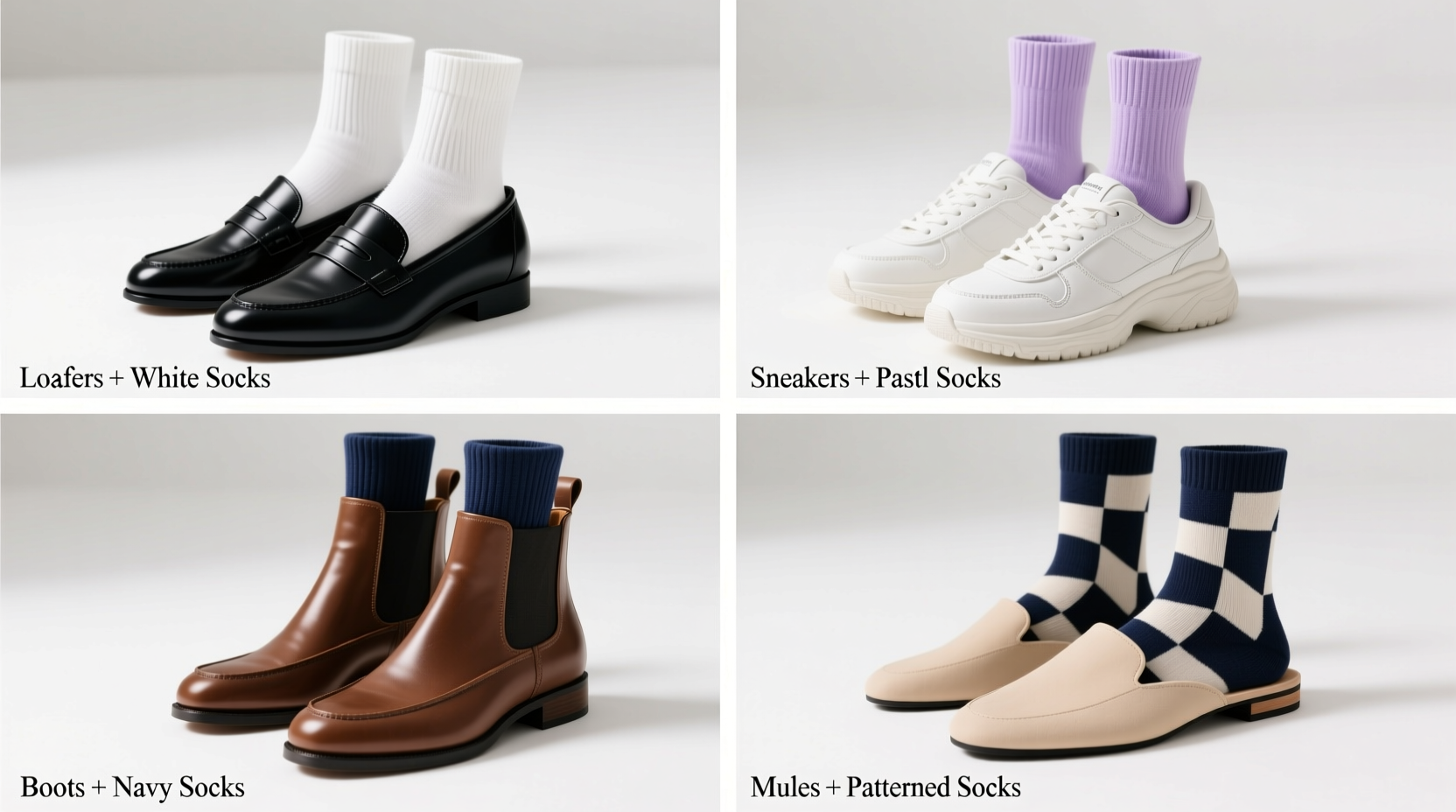
Ankle socks sit just above or at the ankle bone, making them ideal for low-cut shoes where visibility is minimal but still present. They come in various materials, thicknesses, and designs, each suited to different purposes:
- Cotton blend: Breathable and soft, best for casual wear and warm weather.
- Mercerized cotton: Smoother, more lustrous, and less prone to pilling—ideal for semi-formal settings.
- Merino wool: Naturally moisture-wicking and temperature-regulating; excellent for transitional seasons.
- Synthetic blends (nylon, spandex): Offer stretch and durability, often used in athletic socks.
- No-show socks: Ultra-low cut with silicone grips to prevent slipping—perfect for boat shoes or ballet flats.
The function of the sock should align with both the shoe and the occasion. A gym sneaker demands performance fabric, while a leather loafer calls for a refined cotton or wool blend that doesn’t bunch or show excess fabric.
Color Coordination: The Invisible Art of Matching
Matching ankle socks isn’t about strict rules—it’s about harmony. The goal is to create visual continuity between your shoes, socks, trousers, and overall ensemble. Consider these principles:
- Match to your pants: For a clean, elongated leg line, choose socks in the same color family as your trousers. Navy socks with navy chinos, beige with khakis.
- Match to your shoes: Especially effective with leather shoes. Brown socks with brown oxfords, black with black brogues.
- Contrast subtly: A light gray sock with charcoal pants adds dimension without distraction.
- Avoid stark contrasts: Bright white socks with dark shoes and pants can look jarring unless intentionally styled (e.g., sporty or retro looks).
“Socks are the punctuation mark of an outfit. They don’t need to shout, but they must be correct.” — Luca Moretti, Menswear Stylist & Editor, *Style Quarterly*
Do’s and Don’ts of Sock Color Pairing
| Scenario | Do | Don’t |
|---|---|---|
| Dress shoes with suit | Wear socks in same shade as trousers | Wear white athletic socks |
| Casual sneakers with jeans | Neutral or tonal ankle socks | Brightly patterned socks unless intentional |
| Loafers or boat shoes | No-show socks in leather-matching tone | Thick crew socks that peek over shoe rim |
| Athletic shoes | Performance ankle socks in complementary color | Dress socks that lack support or grip |
Shoe-Specific Styling Guide
Not all shoes interact with socks the same way. Here’s how to tailor your ankle sock choice to common footwear types:
1. Sneakers
Sneakers allow more creative freedom. Ankle socks in white, black, or even patterned designs work well. For minimalist sneakers (like Common Projects or Axel Arigato), opt for seamless, no-crease socks in neutral tones. Athletic models (Nike, Adidas) benefit from moisture-wicking fabrics and cushioned heels.
2. Loafers & Slip-Ons
These shoes often reveal sock lines when seated. Use no-show socks with anti-slip grips. Colors should mirror the shoe—brown loafers paired with taupe no-shows, black with charcoal. Going sockless? Only acceptable in warm weather and with breathable leather linings.
3. Chelsea & Chukka Boots
Ankle boots require slightly taller socks, but traditional ankle socks still work. Choose ribbed or textured cotton for comfort. Match to pants for formal looks; contrast slightly for casual edge (e.g., olive boots with light gray socks and beige chinos).
4. Dress Shoes
Never let skin show between trouser hem and shoe. Socks should reach mid-calf when standing. But for ankle-length styles like derbies or monk straps worn with cropped pants, use invisible ankle socks in worsted wool or fine cotton that matches the suit exactly.
5. Sandals & Open Shoes
Generally, avoid socks. However, fashion-forward styles sometimes pair leather sandals with ultra-thin, neutral no-show socks for hygiene without sacrificing aesthetics—common in Japanese streetwear or Scandinavian minimalism.
Real-World Example: The Office-to-Dinner Transition
Consider Mark, a marketing executive who wears navy tailored trousers, a light blue shirt, and brown leather loafers. During the day, he pairs them with merino wool no-show socks in warm taupe—matching his shoes closely while remaining invisible. After work, he switches to a charcoal unstructured blazer and rolls his trousers slightly. He changes into minimalist white leather sneakers and swaps to crisp white cotton ankle socks. The look shifts from professional to relaxed, yet remains cohesive because the sock height and color complement the new shoe style. His attention to detail signals intentionality without overt effort.
Step-by-Step: Building the Perfect Ankle Sock Wardrobe
Follow this sequence to curate a functional, stylish collection of ankle socks:
- Assess your shoe rotation: List your most-worn shoes by type and color.
- Identify visibility level: Determine which shoes expose sock lines when seated.
- Select core colors: Build around neutrals—black, navy, gray, beige, white.
- Choose materials: Cotton for daily wear, merino for cooler months, synthetics for workouts.
- Add specialty pairs: Include 2–3 no-show options for loafers and slip-ons.
- Test combinations: Sit and walk in each pairing to ensure no slippage or unwanted exposure.
- Rotate and maintain: Wash according to fiber type; replace thinning or stretched pairs.
Frequently Asked Questions
Can I wear ankle socks with a suit?
Yes, but only if they’re long enough to stay visible when sitting. Traditional dress socks should be mid-calf. However, with cropped or cuffed suits, fine-gauge ankle socks in matching fabric and color can work—ensure they’re made from dress-appropriate materials like wool or mercerized cotton.
Are white socks always a fashion mistake?
Not inherently. White ankle socks are appropriate with white sneakers, athletic wear, or summer linen outfits. The issue arises when they’re worn with dark shoes and formal attire, creating a harsh visual break. Context matters more than the color itself.
How do I stop my no-show socks from slipping off?
Look for socks with silicone grippers along the heel. Brands like Feetures, Stance, and Bombas specialize in non-slip designs. Avoid oversized socks—fit is critical. Machine wash gently to preserve grip integrity.
Final Thoughts: Elevate Your Style One Step at a Time
Ankle socks may seem minor, but they reflect attention to detail—a hallmark of true style. By aligning sock color, material, and length with your footwear and outfit, you eliminate distractions and project confidence. Whether you're dressing for work, leisure, or a night out, the right ankle sock choice ensures your look stays sharp from top to bottom.




 浙公网安备
33010002000092号
浙公网安备
33010002000092号 浙B2-20120091-4
Comments
No comments yet. Why don't you start the discussion?