
Dessert doesn’t have to be the enemy of healthy eating. In fact, when enjoyed mindfully, it can be a satisfying part of a balanced diet. The real challenge lies in portion control—especially when your favorite sweet treat is within reach. One surprisingly effective strategy? Choosing the right dessert bowl size. What may seem like a minor detail can significantly influence how much you serve yourself and ultimately consume. By aligning your dishware with your goals, you gain an invisible ally in managing cravings and preventing overeating.
The Psychology Behind Plate Size and Eating Behavior
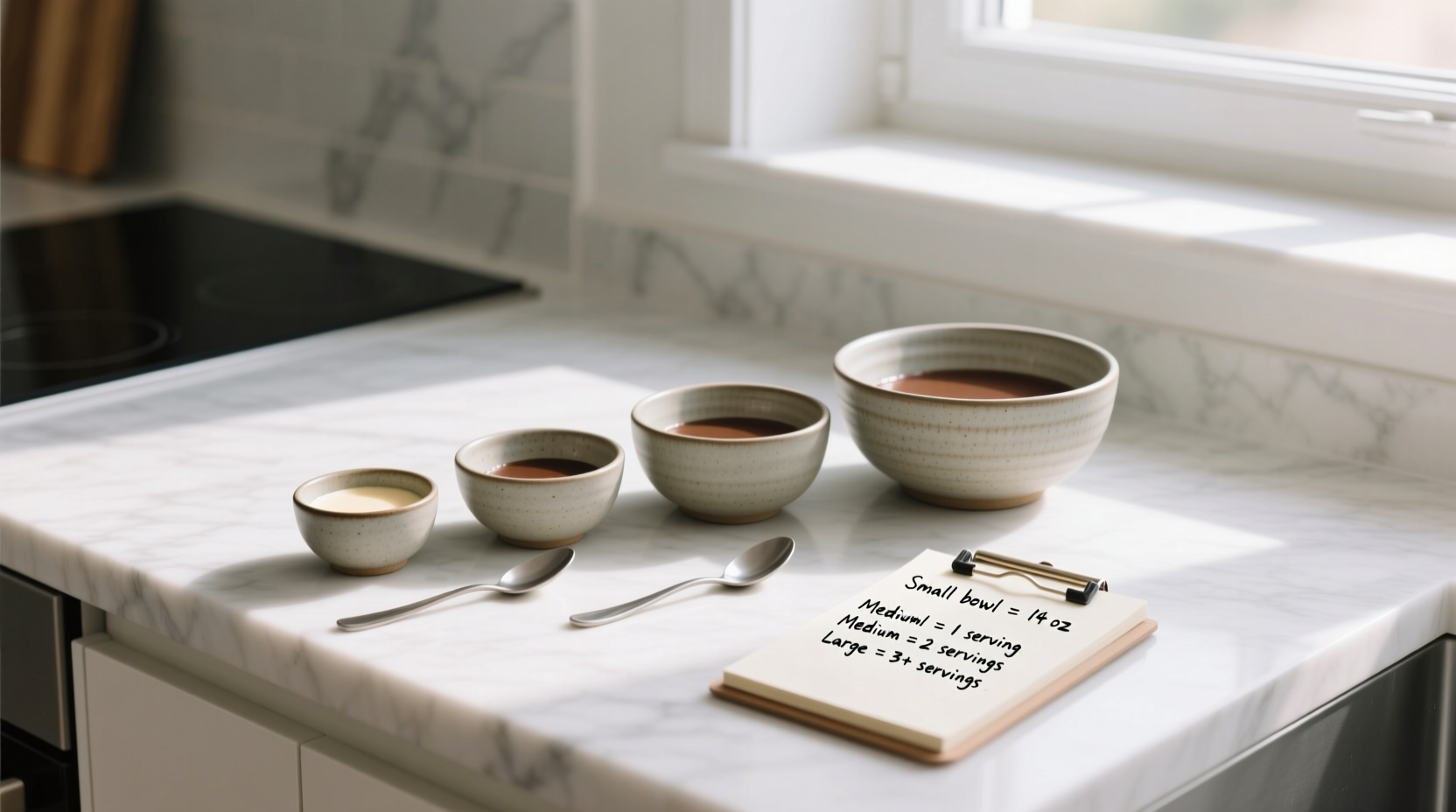
Decades of research in behavioral nutrition show that visual cues heavily influence how much we eat. A classic example is the Delboeuf illusion, where a circle appears smaller when surrounded by a larger ring. Applied to dining, this means food on a large plate looks smaller, prompting people to serve more to feel satisfied. Conversely, the same portion on a smaller plate appears abundant, triggering psychological fullness.
This principle extends to dessert bowls. When you use a large cereal-sized bowl for ice cream or pudding, even a moderate portion looks meager. You’re likely to add more just to “fill” the space. But a smaller, appropriately sized bowl makes a single serving look generous, helping you feel content with less.
“Portion distortion starts long before the first bite. The size of your bowl sends subconscious signals about what ‘normal’ looks like.” — Dr. Rebecca Stone, Behavioral Nutrition Researcher, Johns Hopkins University
How Bowl Size Impacts Portion Control: A Real Example
Sarah, a 38-year-old marketing consultant, loved ending her day with frozen yogurt. She’d typically scoop two generous servings into a 16-ounce mixing bowl, believing she was practicing moderation. After tracking her intake, she realized she was consuming nearly double the recommended portion—adding over 300 extra calories nightly.
Her turning point came when she switched to a 6-ounce ramekin. At first, the small amount felt unsatisfying. But within a week, her brain adjusted. She began savoring each bite more slowly, appreciating the flavor rather than rushing through it. After six weeks, she had lost two pounds—not by eliminating dessert, but by redefining its presentation.
Sarah’s experience isn’t unique. Studies from Cornell University’s Food and Brand Lab found that participants using larger bowls served themselves up to 31% more than those using smaller ones—without realizing it.
Choosing the Right Dessert Bowl: A Practical Guide
Selecting the ideal bowl isn’t just about downsizing—it’s about matching form to function. Here’s how to make an informed choice:
- Know the standard portion sizes. Most desserts—ice cream, pudding, fruit salad—are portioned at ½ to 1 cup (4–8 ounces). Use measuring cups to visualize what one serving looks like in various bowls.
- Opt for bowls between 5 and 8 ounces. This range supports typical dessert portions without encouraging overflow. Avoid anything larger than 10 ounces for sweets.
- Choose depth over width. Narrow, deeper bowls create the illusion of abundance better than wide, shallow ones. A tall ramekin feels more substantial than a saucer-style dish.
- Pick solid colors over patterns. Plain white or neutral bowls help you see portion volume clearly. Busy designs can mask how much you’ve served.
- Limit multipurpose use. Reserve smaller bowls exclusively for desserts. Using them for salads or snacks dilutes their psychological association with indulgence.
Do’s and Don’ts: Bowl Selection Checklist
| Action | Do | Don’t |
|---|---|---|
| Bowl Capacity | 5–8 oz capacity | Over 10 oz |
| Shape | Deep, narrow profile | Wide, shallow design |
| Color & Design | Solid, light-colored | Dark or patterned |
| Usage | Dedicated to desserts only | Mixed with main courses |
| Material | Ceramic or glass (non-reflective) | Metallic or mirrored finishes |
Building a Mindful Dessert Routine
Using the right bowl is just one piece of sustainable portion control. Combine it with these evidence-based habits to reinforce mindful consumption:
- Plate dessert first. Serve your treat before dinner. Knowing dessert is coming reduces the urge to overeat during the meal.
- Eat seated, without distractions. Enjoy dessert at the table, not in front of the TV. Focus on texture, temperature, and taste.
- Add protein or fiber. Pair a small portion with Greek yogurt, nuts, or fresh fruit to increase satiety and balance blood sugar.
- Avoid family-style serving. Bring individual portions to the table instead of placing a large bowl in the center, which encourages second helpings.
- Wait 20 minutes before deciding on seconds. It takes time for fullness signals to reach the brain. Use this window to assess true hunger.
Frequently Asked Questions
Can I still enjoy dessert every night and maintain portion control?
Yes—consistency matters more than elimination. Daily dessert in controlled portions can prevent feelings of deprivation that lead to bingeing. The key is using the right bowl size and staying aware of total calorie intake across your meals.
What if my family resists switching to smaller bowls?
Introduce the change gradually. Start by using smaller bowls only for specific desserts like mousse or custard. Frame it as a way to “elevate” the experience—smaller dishes often feel more elegant and intentional.
Are there exceptions to the 8-ounce rule?
Yes. For lower-calorie desserts like fruit salad or chia pudding, slightly larger bowls (up to 10 oz) are acceptable. The goal is proportionality: match bowl size to energy density. High-sugar, high-fat treats deserve stricter limits.
Conclusion: Small Changes, Lasting Results
Mastering portion control doesn’t require willpower alone—it benefits from smart environmental design. By selecting a dessert bowl that aligns with realistic serving sizes, you remove guesswork and reduce the mental load of self-regulation. Over time, these subtle cues reshape habits, making moderation feel effortless rather than restrictive.
You don’t need to give up dessert to eat healthily. You just need to rethink the dish it comes in. Start today: measure your current bowls, replace the oversized ones, and commit to serving your favorite treats in vessels that support your well-being. The difference might be small in size—but significant in impact.




 浙公网安备
33010002000092号
浙公网安备
33010002000092号 浙B2-20120091-4
Comments
No comments yet. Why don't you start the discussion?