
Car pendant ornaments—whether they’re air fresheners, lucky charms, religious tokens, or decorative accessories—are a popular way to personalize a vehicle’s interior. While these small additions can bring comfort or aesthetic pleasure, improper placement can create visual obstructions, reduce reaction time, or even pose legal risks. The goal is to enjoy personal expression without compromising safety. With thoughtful positioning and mindful selection, drivers can maintain a clean line of sight while still showcasing meaningful items.
Understanding the Risks of Poorly Placed Ornaments
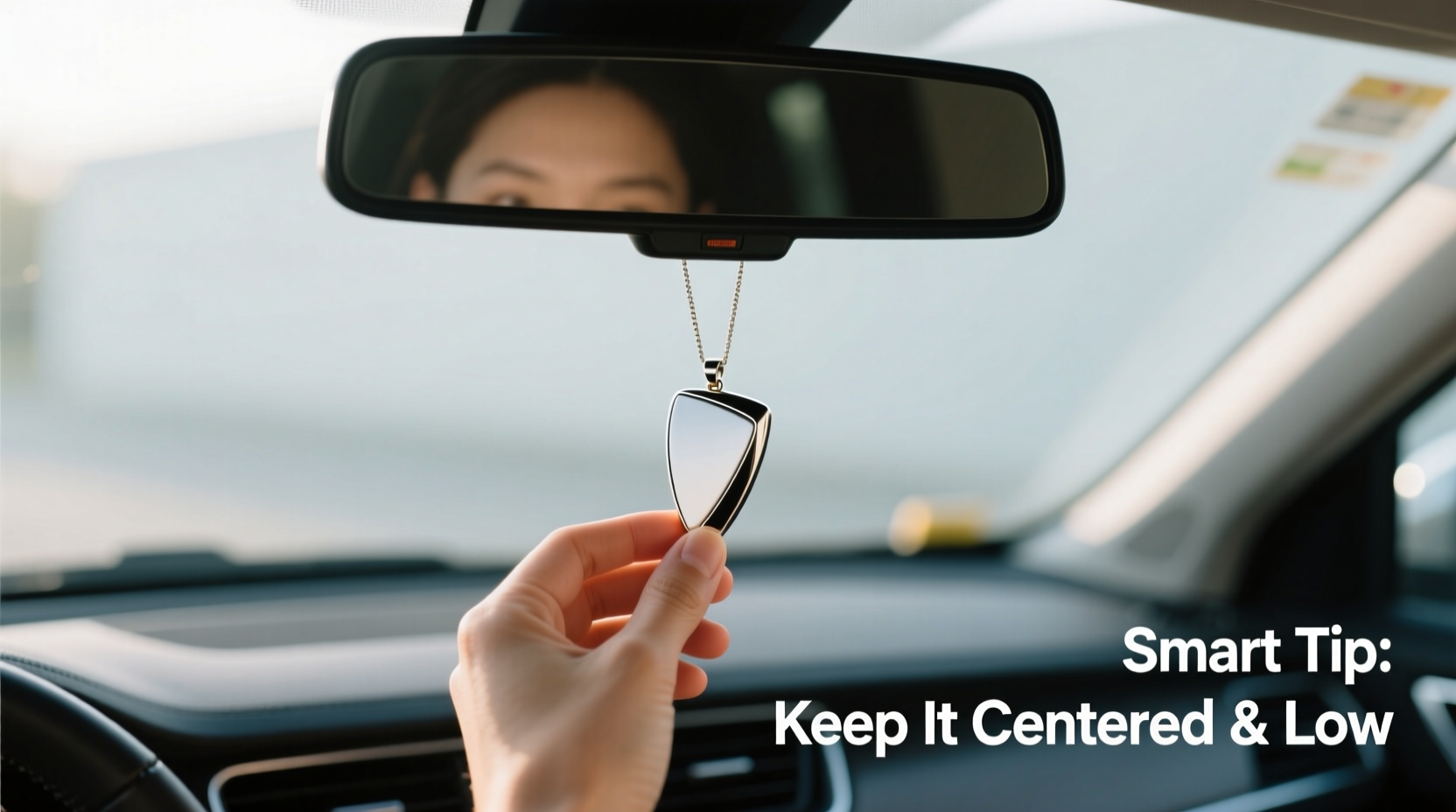
At first glance, a dangling ornament may seem harmless. However, when positioned incorrectly—especially near the windshield or rearview mirror—it can interfere with visibility. In critical moments, such as sudden braking or merging lanes, even a brief distraction caused by swaying objects can delay response time. According to the National Highway Traffic Safety Administration (NHTSA), visual distractions lasting more than two seconds double the risk of a crash.
Additionally, some states enforce laws against obstructing the driver’s view. For example, in California, Vehicle Code 26708 prohibits any object that impedes clear vision through the windshield. Violations can result in fines or citations during traffic stops. Beyond legality, poorly secured pendants can become hazardous projectiles during sudden stops or collisions if they break loose.
Best Practices for Safe Placement
Safety doesn’t mean sacrificing style. By following strategic placement guidelines, you can display ornaments responsibly. The key is to position them outside the driver’s direct line of sight while still allowing visibility from the passenger seat or rear seats if desired.
- Rear window ledge (non-driver side): Ideal for smaller, flat-backed ornaments that don’t protrude forward.
- Center console or cup holder base: Use magnetic or weighted bases for upright displays without dangling elements.
- Passenger-side sun visor (when not in use): Allows visibility control; remove when sun glare requires the visor.
- Glove compartment exterior (if smooth and non-reflective): Suitable for adhesive-backed or clip-on items.
Avoid hanging anything from the rearview mirror unless it's an essential device like a toll transponder—and even then, keep it minimal. If local regulations permit small mirrorside attachments, ensure they are compact and do not swing freely.
Step-by-Step Guide to Installing a Car Pendant Safely
- Evaluate your current setup: Remove all hanging items and inspect your windshield and dashboard for unobstructed sightlines.
- Determine acceptable zones: Mark areas outside the driver’s forward vision cone using temporary tape or mental reference points.
- Select a secure mounting method: Choose between static-cling holders, dash clips, or non-slip pads instead of suction cups that may fail over time.
- Attach the ornament: Place it firmly in the chosen zone, ensuring no part enters the upper half of the windshield.
- Test for movement: Drive at varying speeds and check for excessive vibration or swinging. Adjust if necessary.
- Reassess monthly: Check adhesives or mounts for wear, especially in extreme temperatures.
Do’s and Don’ts: A Quick Reference Table
| Do’s | Don’ts |
|---|---|
| Use lightweight materials like fabric or soft plastic | Hang heavy glass or metal pendants |
| Place items below the AS-1 line (the top 5 inches of windshield) | Allow any object to dangle within eye-level view |
| Opt for low-profile designs with minimal reflectivity | Choose shiny or mirrored finishes that cause glare |
| Secure with automotive-grade adhesives or clips | Rely on weak tapes or temporary solutions |
| Check local DMV guidelines before installing | Assume all decorations are universally permitted |
Expert Insight on Driver Distraction
“Even subtle movements in the periphery can draw attention away from the road. The brain processes motion instinctively—so a gently swaying pendant might seem calm, but it still competes for cognitive resources.” — Dr. Lena Torres, Cognitive Ergonomics Researcher at the Transportation Safety Institute
This neurological response underscores why seemingly minor decorations require careful consideration. Our brains are wired to notice motion, making dangling items inherently more distracting than static ones—even if we’re not consciously aware of them.
Real-World Scenario: A Near-Miss Due to Ornament Placement
Jamie R., a rideshare driver in Austin, Texas, once hung a scented pine tree air freshener from her rearview mirror after a long shift. Over the next few days, she noticed herself glancing upward more often, particularly at stoplights. One rainy evening, while changing lanes on I-35, a sudden gust caused the ornament to sway into her upper vision field just as a motorcycle accelerated beside her. She flinched and corrected slightly, narrowly avoiding contact.
After reviewing dashcam footage, Jamie realized how close the incident had been. She removed the ornament immediately and switched to a vent-mounted alternative. “I thought it was just a little thing,” she said later. “But that moment taught me how fast small distractions can escalate.”
Choosing the Right Type of Ornament
Not all pendants are created equal. Prioritize function and safety without losing personal touch:
- Vent clips: Securely attach to AC vents, keeping fragrance or decoration out of sightlines.
- Dashboard decals: Stylish stickers or silicone mats with embedded designs offer customization without bulk.
- Magnetic tokens: Small metallic emblems that stick to metal surfaces like center consoles or door frames.
- Non-dangling alternatives: Consider embedding meaning in seat covers, steering wheel wraps, or floor mats instead.
If you prefer traditional hanging styles, look for models with short chains or rigid stems that limit movement. Avoid long strings, tassels, or multi-tiered designs that increase swing radius.
Frequently Asked Questions
Can I hang anything from my rearview mirror legally?
Laws vary by state. Some allow small items like toll tags or registration stickers, while others ban all obstructions. Always consult your local Department of Motor Vehicles. When in doubt, leave the mirror clear.
Are there safe alternatives to hanging air fresheners?
Yes. Vent-mounted, dashboard-adhesive, or built-in HVAC-compatible options provide consistent scent distribution without visual interference. Many modern vehicles also support fragrance systems integrated into climate control.
How do I know if my ornament is too distracting?
If you catch yourself looking at it more than twice during a 10-minute drive, it’s likely drawing undue attention. Another test: ask a passenger to observe whether the item moves into your sightline during acceleration or braking.
Final Thoughts: Style Meets Responsibility
Your car reflects your personality—but it must also serve as a safe operating environment. Thoughtfully placed ornaments can coexist with responsible driving habits when guided by awareness and regulation. The safest design isn’t necessarily the most invisible one; it’s the one that enhances your experience without demanding attention.
Take a few minutes today to evaluate what hangs—or sits—in your vehicle. Replace risky placements with smarter alternatives. Your future self, and the people around you on the road, will benefit from that small act of mindfulness.




 浙公网安备
33010002000092号
浙公网安备
33010002000092号 浙B2-20120091-4
Comments
No comments yet. Why don't you start the discussion?