
In today’s design-conscious homes, even the smallest accessories are seen as opportunities to enhance aesthetic harmony. The tissue box, often overlooked, sits in plain view on coffee tables, bathroom counters, and bedside stands. When left in a generic cardboard container, it can disrupt an otherwise cohesive interior. But when thoughtfully selected, a tissue box becomes a subtle yet impactful accent that supports your modern decor narrative. From minimalist materials to strategic placement, choosing the right tissue box is about balancing function with finesse.
Understanding the Role of the Tissue Box in Modern Interiors
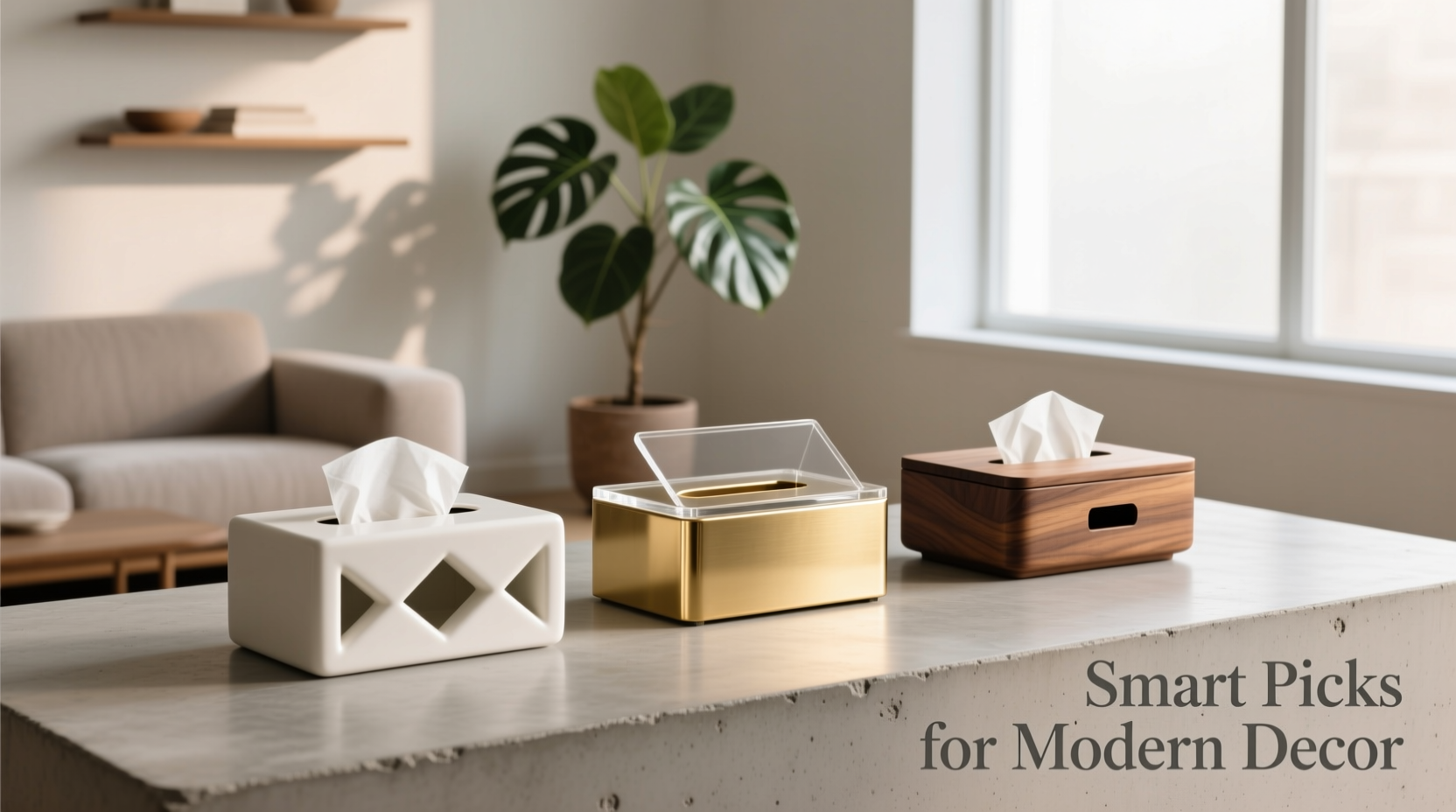
Modern decor emphasizes clean lines, neutral palettes, and intentional minimalism. Every object should serve a purpose—and ideally, do so with visual restraint. A tissue box holder isn’t just functional; it’s a micro-design element that either blends seamlessly or stands out awkwardly. In open-concept living areas or sleek bathrooms, a poorly chosen tissue box can feel like clutter. Conversely, a well-chosen one reinforces the room’s style language.
Consider this: a brushed metal holder in a monochrome kitchen complements stainless steel appliances. A matte ceramic box in a Scandinavian bedroom echoes the soft textures of linen bedding. The key is alignment—not just with color schemes, but with texture, proportion, and overall design philosophy.
Material Matters: Choosing the Right Finish
The material of your tissue box holder affects both durability and design compatibility. Here’s a breakdown of common options and their ideal applications:
- Wood (solid or engineered): Warm and natural, wood works well in Scandinavian, Japandi, or organic modern spaces. Look for light oak, walnut, or ash finishes that echo furniture tones.
- Metal (brushed nickel, matte black, brass): Sleek and industrial-leaning, metals suit contemporary lofts or urban apartments. Matte black pairs effortlessly with bold color schemes, while brushed brass adds warmth without overpowering.
- Ceramic or porcelain: Offers a handcrafted, artisanal feel. Ideal for bathrooms or reading nooks where tactile elegance matters. Glazed finishes can reflect ambient light subtly.
- Acrylic or glass: Transparent or tinted options create a “floating” effect, minimizing visual weight. Best in ultra-minimalist or high-gloss environments.
- Concrete or stone resin: Adds raw texture and grounding weight. Perfect for industrial or brutalist-inspired interiors.
“Accessories shouldn’t announce themselves. They should whisper continuity.” — Lena Tran, Interior Stylist & Founder of Formline Studio
Design Checklist: What to Evaluate Before Buying
Before purchasing a tissue box holder, run through this practical checklist to ensure it fits both your space and lifestyle:
- Size compatibility: Confirm the holder accommodates standard tissue box dimensions (typically 5” x 3” x 4.5”). Oversized boxes may not fit under some lids.
- Opening mechanism: Top-slit designs offer easy access; front-pull styles maintain full concealment. Consider user habits—especially if children or elderly family members are present.
- Stability: Lightweight holders tip easily. Heavier materials or weighted bases prevent spills.
- Easy cleaning: Smooth surfaces (ceramic, glass, metal) wipe clean quickly. Textured wood or concrete may trap dust.
- Aesthetic versatility: Choose a neutral tone or timeless shape that won’t clash if you redecorate in a few years.
- Eco-impact: Opt for recyclable or sustainably sourced materials when possible. Bamboo and FSC-certified wood are strong eco-friendly choices.
Smart Placement Strategies for Maximum Impact
Even the most stylish tissue box fails if placed incorrectly. Location influences visibility, utility, and design flow. Follow these spatial guidelines:
| Room | Recommended Placement | Style Tip |
|---|---|---|
| Living Room | Near seating, on side table or media console | Pair with a small tray or stack of books to anchor the vignette |
| Bathroom | Beside sink or next to toilet | Match finish to faucet or towel bars for continuity |
| Bedroom | Nightstand or dresser corner | Use a fabric-covered or wooden box to soften the mood |
| Entryway | Console table or bench area | Choose compact or wall-mounted to save floor space |
Real-World Example: Elevating a Mid-Century Living Space
Sarah, a graphic designer in Portland, wanted to refine her mid-century modern living room. While her Eames lounge chair and teak shelving were spot-on, she noticed the white plastic tissue box on her walnut side table disrupted the warm wood palette. After researching, she replaced it with a low-profile walnut holder featuring a subtle brass pull. The new piece echoed the grain of her furniture and added a touch of metallic contrast. Visitors now comment on the room’s “effortless cohesion”—a detail Sarah credits to what she calls “the invisible upgrades.”
This case illustrates how a single accessory, when aligned with core design elements, can elevate perceived quality across an entire space.
Step-by-Step Guide: Selecting Your Ideal Tissue Box Holder
Follow this five-step process to make a confident, design-aligned choice:
- Assess your room’s dominant materials. List the primary finishes (e.g., matte black metal, light oak, white marble). This sets your material palette.
- Determine functional needs. Will it be used frequently? Is spill resistance important? Do you prefer concealed tissues?
- Measure available space. Note height restrictions and surface depth to avoid overcrowding.
- Shortlist 3–5 styles that match both criteria. Prioritize those with positive reviews on durability and ease of use.
- Visualize in context. Use augmented reality apps (if shopping online) or place sample photos next to your furniture to test harmony.
Frequently Asked Questions
Can I use a decorative box for anything other than tissues?
Absolutely. Many modern tissue box holders double as storage for folded napkins, greeting cards, or even remote controls. Just ensure the interior is lined or cleaned regularly if repurposed.
Are there space-saving options for small apartments?
Yes. Wall-mounted tissue dispensers free up surface area and add a custom-finish look. Alternatively, slim vertical holders fit into narrow gaps between furniture pieces.
How do I hide the tissue edges without a cover?
Opt for a front-dispensing box or insert tissues facing inward so only the folded edge shows. Some brands sell tissue refills with printed edges designed to look intentional.
Final Thoughts: Design Is in the Details
The tissue box may seem trivial, but in the world of modern decor, details define distinction. A well-chosen holder doesn’t merely contain—it contributes. It grounds a vignette, echoes material themes, and signals attention to care. Whether you live in a downtown loft or a sunlit suburban home, treating every object as part of your design story leads to spaces that feel intentional, calm, and authentically yours.




 浙公网安备
33010002000092号
浙公网安备
33010002000092号 浙B2-20120091-4
Comments
No comments yet. Why don't you start the discussion?