
Modern car key fobs are marvels of convenience—remote locking, push-button starts, and even smartphone integration. But their sophistication makes them vulnerable. From electronic signal theft (known as relay attacks) to physical damage and accidental loss, key fobs face multiple risks. Fortunately, many of these threats can be mitigated with the right keychains and protective accessories. The key is not just to carry your fob securely, but to shield it from digital and environmental harm.
Why Key Fob Protection Matters More Than Ever
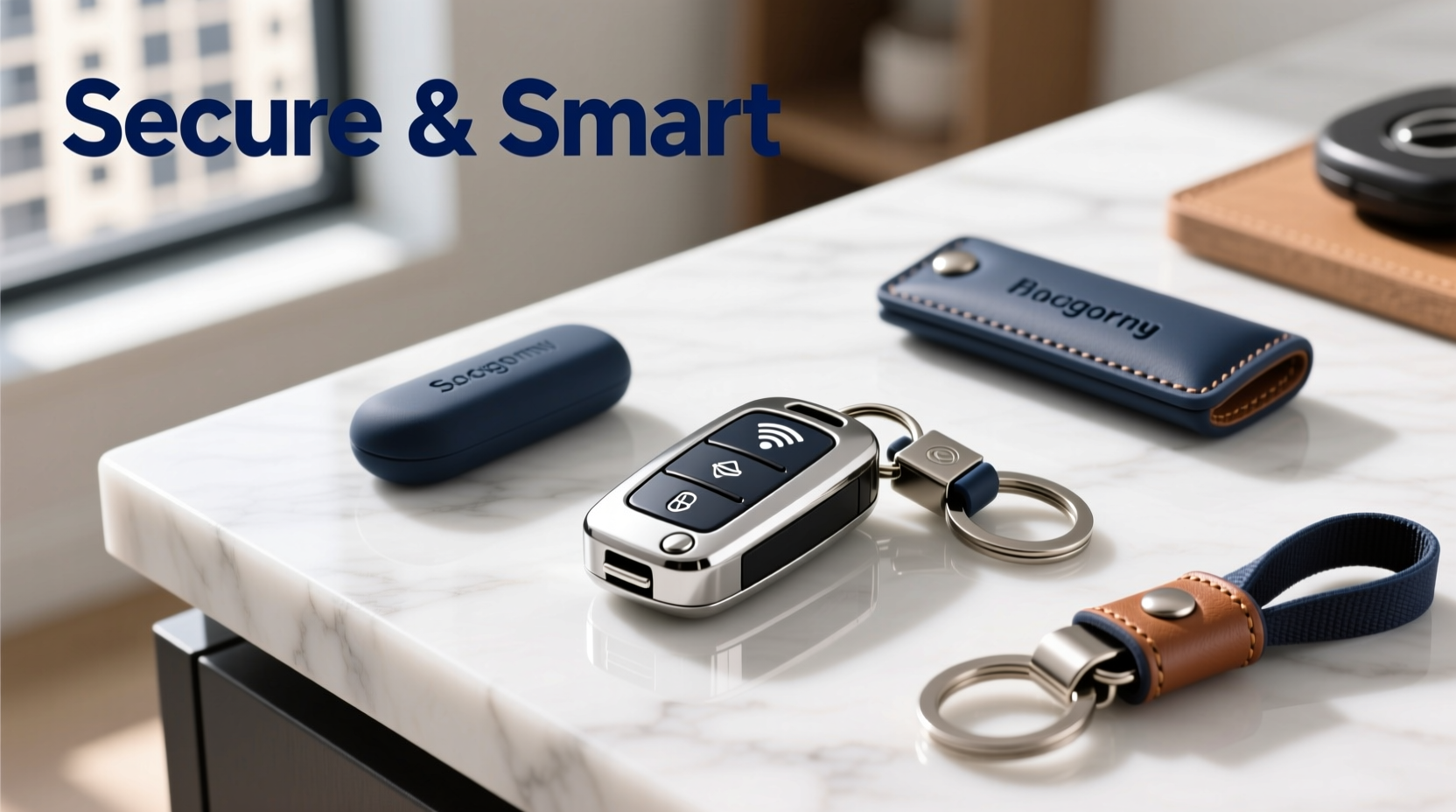
Today’s keyless entry systems rely on radio frequency signals between the fob and the vehicle. Thieves have developed low-cost relay devices that amplify these signals, tricking cars into thinking the fob is nearby—even when it's inside your home. This method, known as a relay attack, has led to a significant rise in keyless car thefts across urban areas.
Physical protection is equally important. Dropping your fob, exposing it to moisture, or letting keys clatter against its buttons can lead to internal damage or premature battery drain. A well-chosen keychain or accessory isn’t just about style—it’s a functional layer of defense.
“Over 80% of modern car thefts involving keyless entry systems begin with signal interception. Simple shielding methods can disrupt these attacks before they start.” — Daniel Reeves, Automotive Security Analyst at SafeDrive Labs
Top Accessories for Protecting Your Key Fob
Not all keychains are created equal. Some add bulk without benefit, while others actively reduce risk. Below are the most effective types of accessories designed specifically for key fob safety.
1. RFID-Blocking Key Fob Sleeves
Made from materials like aluminum-lined fabric or metal mesh, these sleeves block electromagnetic signals when the fob is stored inside. They’re slim, portable, and prevent relay attacks by creating a Faraday cage effect.
2. Hard-Shell Protective Cases
These plastic or silicone cases snap around your fob to guard against drops, scratches, and liquid exposure. Look for models with button cutouts that prevent accidental presses—especially useful if your fob shares a pocket or bag with other items.
3. Detachable Lanyards and Loop Clips
Instead of attaching bulky keychains directly to the fob’s ring, use a detachable lanyard or clip. This reduces strain on the fob housing and allows you to leave the fob behind securely while carrying only essential keys.
4. Magnetic Mount Key Holders
For drivers who frequently place their fob in cup holders or center consoles, magnetic mounts keep the fob stable and reduce wear from constant movement. Some even include built-in signal blockers.
5. Smart Key Pouches with Tracking Integration
High-end options combine RFID shielding with Bluetooth tracking chips (like Tile or Apple AirTag). These allow you to locate your keys via smartphone if misplaced, while still keeping the signal secure when stored.
Do’s and Don’ts of Key Fob Accessorizing
| Do’s | Don’ts |
|---|---|
| Use an RFID-blocking pouch when storing the fob at home | Attach heavy keychains that stress the fob’s keyring hole |
| Keep the fob in a dedicated drawer lined with aluminum foil as a DIY Faraday cage | Leave the fob near exterior doors or windows where signals can be intercepted |
| Choose waterproof cases if you live in a rainy climate | Store the fob next to phones or magnets that may interfere with electronics |
| Regularly replace the battery to avoid signal weakness | Use abrasive cleaners that can damage the casing or screen |
Step-by-Step Guide: Secure Your Key Fob in 5 Minutes
Follow this quick routine to significantly reduce the risk of theft and damage:
- Remove unnecessary attachments: Take off bulky charms or extra keys that increase impact risk.
- Insert into an RFID-blocking sleeve: Slide the fob fully inside and ensure no part is exposed.
- Place in a secure location: Store it in a drawer away from entry points—ideally not near the front door.
- Add a tracker (optional): Attach a slim Bluetooth tag to the keychain side, not the fob itself.
- Test daily function: Once a week, confirm the fob works outside the shield to ensure battery health.
Real-Life Example: How One Family Prevented Car Theft
The Thompsons, living in downtown Toronto, returned from vacation to find their SUV missing. Police later confirmed it was taken via a relay attack—the thief stood outside their townhouse with a signal amplifier while an accomplice waited nearby with a cloned signal device.
After replacing the vehicle, they adopted new habits. They now store their key fobs in a $12 RFID-blocking pouch placed inside a metal kitchen cabinet overnight. They also attached a Tile Mate to the keyring for tracking. Six months later, when one fob went missing during a move, they located it within minutes using the app. More importantly, their car hasn’t been targeted since.
“We didn’t realize how vulnerable we were,” said Mark Thompson. “Now we treat our keys like credit cards—shielded and tracked.”
Essential Checklist for Key Fob Safety
- ✅ Use an RFID-blocking sleeve or case
- ✅ Avoid attaching heavy or sharp items to the same keyring
- ✅ Store the fob away from doors and windows at home
- ✅ Replace batteries every 1–2 years (or sooner if range decreases)
- ✅ Consider adding a Bluetooth tracker to your keychain
- ✅ Inspect the fob regularly for cracks or moisture damage
- ✅ Keep a spare fob in a secure, shielded location
Frequently Asked Questions
Can aluminum foil really block key fob signals?
Yes. Wrapping your fob in several layers of aluminum foil can create a makeshift Faraday cage, blocking wireless signals. However, it’s not durable or practical for daily use. Purpose-built RFID sleeves are more reliable and reusable.
Do all key fobs need signal protection?
If your car has keyless entry or push-to-start ignition, then yes. Even older models with remote locks emit signals that could potentially be exploited. Vehicles manufactured after 2010 are especially at risk due to standardized frequencies used in key fob communication.
Is it safe to put my key fob in the microwave to test shielding?
No—never place a key fob in a microwave. While some people mistakenly believe this tests signal blocking, microwaves are dangerous and can destroy the fob or cause fire hazards. Instead, use a proper Faraday bag and test by attempting to unlock your car while the fob is enclosed.
Final Thoughts: Small Habits, Big Protection
Protecting your car key fob doesn’t require expensive technology or complicated routines. It starts with awareness—knowing that convenience comes with vulnerability—and ends with simple, consistent actions. Whether you choose a $10 signal-blocking pouch or invest in a smart tracking case, each step adds a layer of security that deters thieves and extends your fob’s lifespan.
Your key fob is more than a tool—it’s a gateway to your vehicle, your personal space, and sometimes even your home if linked to smart systems. Treat it with the same care you’d give a wallet or phone. With the right keychains and accessories, you’re not just organizing your keys—you’re safeguarding your peace of mind.




 浙公网安备
33010002000092号
浙公网安备
33010002000092号 浙B2-20120091-4
Comments
No comments yet. Why don't you start the discussion?