
Smoothies are widely praised as a convenient, nutrient-packed way to fuel the body. Packed with fruits, vegetables, protein powders, and superfoods, they’re a staple in many health-conscious diets. Yet for some, this seemingly healthy habit comes with an uncomfortable side effect: bloating. If you’ve ever felt gassy, swollen, or sluggish after drinking a smoothie, you're not alone. The truth is, even the most wholesome ingredients can trigger digestive distress when combined improperly or consumed in excess. Understanding the root causes of smoothie-induced bloating—and how to prevent it—can transform your experience from uncomfortable to energizing.
Why Smoothies Cause Bloating: The Hidden Triggers
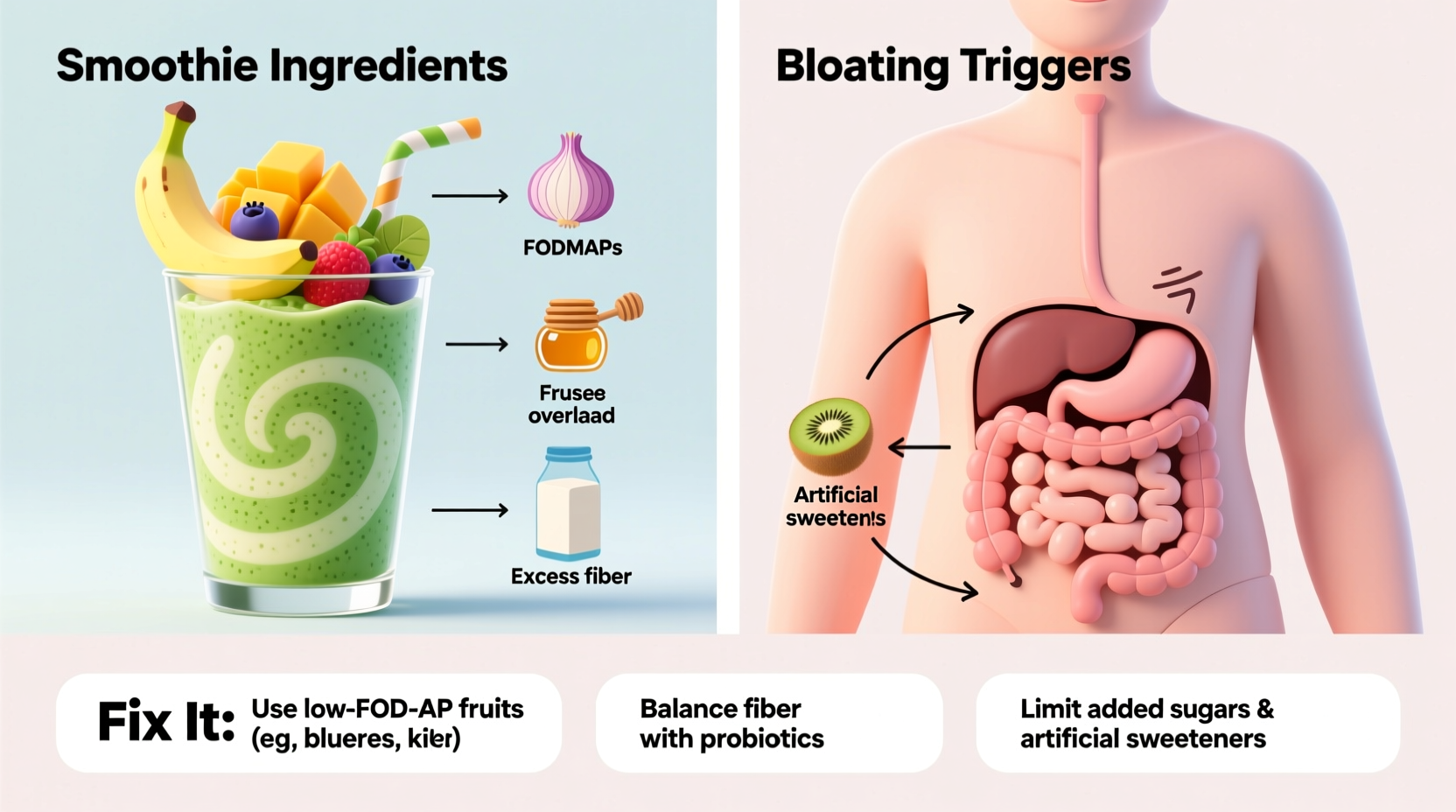
Bloating occurs when gas builds up in the digestive tract, leading to pressure, fullness, and abdominal distension. While smoothies are liquid, they still require digestion—and certain ingredients or preparation methods can overwhelm the gut. Here are the most common culprits:
- Fiber overload: Blending multiple high-fiber foods like kale, chia seeds, flaxseeds, and berries concentrates fiber into one serving. While fiber is essential, sudden increases can lead to gas production as gut bacteria ferment undigested fibers.
- Fructose malabsorption: Many smoothies are fruit-heavy. Fructose, especially in large amounts from apples, mangoes, or added honey, can be poorly absorbed in some individuals, leading to fermentation and bloating.
- Dairy-based liquids or proteins: Milk, yogurt, or whey protein may trigger bloating in those with lactose intolerance or dairy sensitivity.
- Add-ins like protein powders and sweeteners: Artificial sweeteners (sorbitol, xylitol) and certain protein isolates (whey concentrate, soy) are notorious for causing gas and digestive upset.
- Speed of consumption: Drinking a large smoothie quickly floods the stomach with volume and nutrients, which can slow digestion and increase pressure.
“Smoothies are nutritionally dense, but their convenience can lead people to pack in too much too fast—overloading the digestive system before it can keep up.” — Dr. Lena Patel, Gastroenterology Nutrition Specialist
How to Fix Smoothie Bloat: 5 Science-Backed Strategies
Eliminating bloating doesn’t mean giving up smoothies. With mindful adjustments, you can keep your favorite drink while supporting optimal digestion.
1. Balance Your Fiber Intake
Start with lower-fiber greens like spinach instead of kale or Swiss chard. Limit high-FODMAP fruits such as apples, pears, and mangoes. Instead, opt for bananas, blueberries, or strawberries. Gradually increase fiber over time to allow your gut microbiome to adapt.
2. Choose Low-FODMAP Ingredients
FODMAPs (fermentable oligosaccharides, disaccharides, monosaccharides, and polyols) are short-chain carbohydrates that ferment easily in the gut. Reducing them can significantly decrease bloating. Stick to low-FODMAP options:
| Low-FODMAP Choices | Avoid (High-FODMAP) |
|---|---|
| Spinach, cucumber, carrots | Kale, cauliflower, onions |
| Banana (½), blueberries, oranges | Apples, pears, watermelon |
| Lactose-free milk, almond milk | Regular cow’s milk, agave syrup |
| Pumpkin seeds, sunflower seeds | Chia seeds (large amounts), cashews |
3. Optimize Liquid Base and Protein Sources
The base of your smoothie sets the tone for digestion. Water, coconut water, or oat milk are gentler than dairy. For protein, choose hypoallergenic options like pea protein isolate or hemp protein, which are less likely to cause inflammation or gas compared to whey or soy.
4. Add Digestive Aids
Incorporate ingredients that support digestion naturally. Ginger reduces gastric motility issues and soothes the gut lining. Pineapple contains bromelain, an enzyme that helps break down proteins. A small piece of fresh ginger or ¼ cup of pineapple can make a noticeable difference.
5. Sip Slowly and Mindfully
Drinking a 16-ounce smoothie in five minutes forces your stomach to process a large bolus at once. Instead, sip over 15–20 minutes. This allows your digestive enzymes and stomach acid to work efficiently and reduces air swallowing, which contributes to bloating.
Step-by-Step Guide to Building a Bloat-Free Smoothie
- Choose a gentle liquid base: 1 cup of unsweetened almond milk, coconut water, or filtered water.
- Add one handful of low-fiber greens: Spinach or romaine lettuce blend well and are rarely problematic.
- Include one serving of low-FODMAP fruit: ½ banana, ½ cup blueberries, or ¼ avocado for creaminess without sugar load.
- Select a clean protein source: 1 scoop of pea or rice protein, or 2 tablespoons of natural almond butter.
- Boost with digestion-friendly extras: ½-inch fresh ginger, 1 tsp ground flaxseed (soaked), or a pinch of cinnamon.
- Blend thoroughly and consume slowly: Use a high-speed blender for smooth texture, then sip mindfully.
Real Example: Sarah’s Smoothie Transformation
Sarah, a 34-year-old teacher, started her day with a green smoothie made with kale, apple, banana, chia seeds, Greek yogurt, and a scoop of whey protein. Within weeks, she noticed consistent bloating, fatigue, and occasional reflux. After consulting a dietitian, she realized her smoothie contained three common triggers: high-fructose fruit, dairy, and excessive fiber. She revised her recipe to include spinach, blueberries, oat milk, pea protein, and ginger. Within five days, her bloating subsided, and she reported feeling lighter and more focused in the mornings.
Checklist: Build Your Bloat-Safe Smoothie
- ✅ Use a non-dairy, low-sugar liquid base
- ✅ Limit fruit to one low-FODMAP serving
- ✅ Choose low-fiber greens (spinach over kale)
- ✅ Avoid artificial sweeteners and sugar alcohols
- ✅ Select a gentle protein powder (pea, hemp, or collagen)
- ✅ Add digestive boosters: ginger, lemon, or pineapple
- ✅ Soak fibrous seeds before blending
- ✅ Drink slowly over 15+ minutes
Frequently Asked Questions
Can green smoothies cause bloating even if I’m healthy?
Yes. Even healthy individuals can experience bloating from green smoothies due to rapid fiber intake, ingredient combinations, or speed of consumption. The gut needs time to adapt to dietary changes, and overloading it—even with nutritious foods—can cause temporary discomfort.
Is it better to eat whole foods instead of drinking blended ones?
For some people, yes. Whole foods require chewing and slower digestion, which supports satiety and gut function. Blending bypasses chewing and delivers nutrients rapidly, which can disrupt digestion in sensitive individuals. If bloating persists, try replacing smoothies with solid meals for a few days to reset your gut.
How long after a smoothie does bloating usually start?
Bloating typically begins 30 minutes to 2 hours after consumption, depending on your digestive speed and meal composition. Delayed bloating (several hours later) may indicate food intolerance or poor motility rather than just fiber fermentation.
Conclusion: Enjoy Smoothies Without the Discomfort
Smoothies don’t have to come at the cost of digestive comfort. By understanding how ingredients interact with your unique gut chemistry, you can craft blends that nourish rather than burden your system. Small changes—like swapping out high-FODMAP fruits, choosing gentler proteins, and sipping slowly—can make a dramatic difference. The goal isn’t perfection but sustainability: a smoothie routine that supports energy, wellness, and long-term gut health.




 浙公网安备
33010002000092号
浙公网安备
33010002000092号 浙B2-20120091-4
Comments
No comments yet. Why don't you start the discussion?