
Bathrooms are among the most frequently used spaces in a home, yet they often receive minimal attention when it comes to functional design. One small but impactful decision: choosing between a plain soap dish and one with an added rack. At first glance, the difference seems minor—a few inches of metal or plastic extending from the base. But over time, that extra storage can influence clutter levels, hygiene, and even daily routines. The real question isn’t just about holding more items—it’s whether that convenience outweighs potential downsides like cost, space usage, and maintenance.
This comparison dives into the practical realities of both options, backed by everyday experiences, design principles, and expert insights. Whether you’re upgrading a master bath or organizing a guest powder room, understanding the trade-offs helps you make a choice that aligns with how you actually live.
Understanding the Design Differences
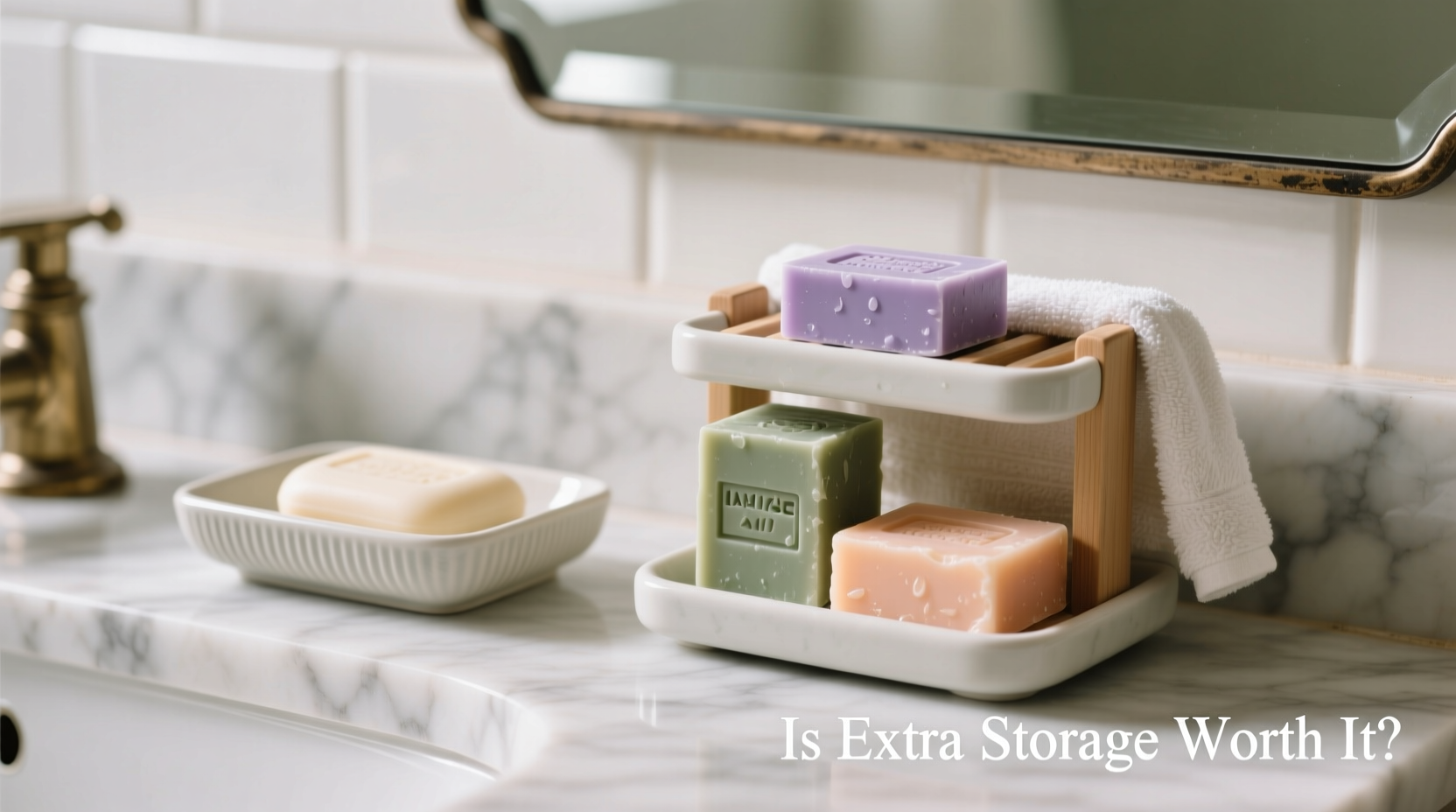
A plain soap dish is exactly what it sounds like: a shallow tray designed solely to hold a bar of soap. It typically features drainage holes or ridges to prevent water accumulation, allowing the soap to dry between uses. These dishes come in materials ranging from ceramic and porcelain to bamboo and stainless steel, and their minimalist form suits compact or aesthetically clean spaces.
In contrast, a soap dish with a rack includes additional components—usually a vertical rod, loop, or side shelf—that accommodates other essentials. Common additions include:
- A toothbrush holder
- A small shelf for razors or cotton swabs
- A ring or hook for hanging washcloths
- Compartments for travel-sized bottles
The integrated rack transforms the soap dish from a single-purpose item into a multi-functional organizer. However, this expansion also introduces new considerations around footprint, cleaning effort, and visual balance.
Pros and Cons: A Direct Comparison
| Feature | Plain Soap Dish | Soap Dish with Rack |
|---|---|---|
| Space Efficiency | Compact; ideal for tight countertops or shower ledges | Requires more horizontal or vertical clearance |
| Storage Capacity | Holds only soap | Can store 2–4 additional bathroom items |
| Cleaning Difficulty | Simple wipe-down; fewer crevices | Racks collect grime in joints and holders; harder to sanitize |
| Aesthetic Flexibility | Easily matches modern, minimalist, or rustic styles | Bulkier; may clash with refined decor |
| Durability | Fewer parts = less risk of breakage | Moving parts (e.g., hinges) may wear out |
| Price Range | $5–$15 | $12–$30+ |
The table reveals a clear pattern: simplicity versus utility. If your bathroom counter is already crowded, a plain dish reduces visual noise. But if you regularly leave a toothbrush, razor, or loofah near the sink, a rack-equipped model could eliminate scattered items and streamline your routine.
Real-Life Use Case: The Morning Rush Hour
Consider Sarah, a mother of two, managing her family’s weekday mornings. Her half-bathroom has limited counter space but sees heavy traffic between 6:30 and 7:30 AM. Before switching to a soap dish with a rack, toothbrushes sat in a cup next to damp towels, razors were left on the edge of the sink, and soap often slid into standing water.
She installed a wall-mounted soap dish with a built-in toothbrush holder and small shelf. Within days, clutter decreased. Everyone knew where to place their brush, the razor had a designated spot, and the soap stayed elevated and dry. Though the unit took up slightly more space, the net gain in organization was significant.
“It sounds minor,” Sarah says, “but not having to move things around every time someone washes their hands saves mental energy. I didn’t realize how much irritation came from tiny disorganization until it was gone.”
This scenario illustrates a broader truth: the value of a rack depends not on square inches, but on how it integrates with your habits. For high-traffic bathrooms or households with multiple users, centralized storage reduces friction. In low-use spaces—like a guest bath—the same feature may go unused and complicate cleaning.
“Small organizational tools work best when they align with actual behavior, not idealized routines.” — Lena Patel, Interior Designer & Wellness Space Consultant
When the Extra Storage Makes Sense (And When It Doesn’t)
Not all bathrooms benefit equally from enhanced soap dishes. Here’s a checklist to help determine if the upgrade is right for your space:
✅ Choose a Soap Dish with a Rack If:
- You store multiple toiletries near the sink or shower
- Family members frequently misplace items like razors or brushes
- You want to reduce countertop clutter without installing shelves
- Your bathroom has moderate to high daily usage
- You prefer consolidated, easy-to-access stations
❌ Stick with a Plain Soap Dish If:
- Counter or ledge space is extremely limited
- You only use bar soap and nothing else nearby
- You prioritize sleek, uncluttered aesthetics
- Regular deep cleaning is difficult (e.g., for elderly users)
- You rent and can’t modify fixtures permanently
The key is matching function to lifestyle. A rack isn’t inherently better—it’s context-dependent. In a spa-like primary bath where tranquility matters, a simple ceramic dish may enhance serenity. In a busy family hall bath, the same dish might contribute to chaos.
Step-by-Step: Choosing and Installing the Right Option
- Assess Your Usage Patterns: Track what items are used at the sink over three days. Note which ones are left out regularly.
- Measure Available Space: Use a tape measure to record width, depth, and height clearance where the dish will go.
- Decide on Mounting Style: Options include adhesive mounts (renter-friendly), suction cups (temporary), or screw-in installations (permanent).
- Select Material Based on Environment: Stainless steel resists rust in showers; bamboo adds warmth but needs drying; ceramic is elegant but fragile.
- Install and Test: Position the dish so items are within easy reach. Adjust placement if it interferes with faucet use or creates splashing issues.
- Maintain Weekly: Clean both dish and rack with vinegar solution or mild disinfectant to prevent soap scum and bacterial buildup.
Frequently Asked Questions
Does a soap dish with a rack promote mold growth?
Potentially, yes—if not cleaned regularly. Joints, brush holders, and undersides of racks trap moisture and soap residue, creating breeding grounds for mildew. To minimize risk, choose models with smooth finishes and clean them weekly with a disinfectant. Avoid designs with hard-to-reach crevices.
Can I use a soap dish rack in the shower?
Yes, but material choice is critical. Opt for rust-resistant metals like stainless steel or coated alloys. Avoid untreated iron or wood. Also ensure the adhesive or mounting hardware is rated for wet environments. Regular inspection for loosening or corrosion is recommended.
Are there eco-friendly options with storage?
Increasingly, yes. Brands now offer bamboo soap dishes with recyclable aluminum racks or modular units made from ocean-bound plastics. Look for certifications like FSC (for wood) or B Corp status to verify sustainability claims.
Final Thoughts: Functionality Meets Lifestyle
The decision between a plain soap dish and one with a rack ultimately comes down to how you use your bathroom and what kind of environment you want to maintain. For those seeking efficiency and order in high-traffic areas, the added storage pays off in reduced clutter and smoother routines. For others, especially in minimalist or compact spaces, the elegance and ease of a simple dish remain unmatched.
What matters most is designing for reality—not aspiration. A well-chosen soap dish, whether basic or enhanced, supports daily rituals without demanding attention. It fades into the background when it works well, and stands out only when it fails.




 浙公网安备
33010002000092号
浙公网安备
33010002000092号 浙B2-20120091-4
Comments
No comments yet. Why don't you start the discussion?