
Feeling exhausted after socializing doesn’t mean you dislike people. For many introverts, social interactions—no matter how enjoyable—require mental and emotional energy that takes time to replenish. When your social battery is drained, even small talk can feel overwhelming. Yet explaining this to extroverted or highly social friends often comes with fear: Will they think you’re rejecting them? That you’re aloof, antisocial, or ungrateful? The truth is, you can honor your needs while maintaining strong, respectful relationships—if you communicate clearly and compassionately.
This guide offers practical strategies for articulating your introverted nature in a way that fosters understanding, not resentment. You’ll learn how to frame your need for solitude as self-care rather than rejection, use empathetic language, and build boundaries that preserve both your well-being and your friendships.
Understanding the Social Battery Concept
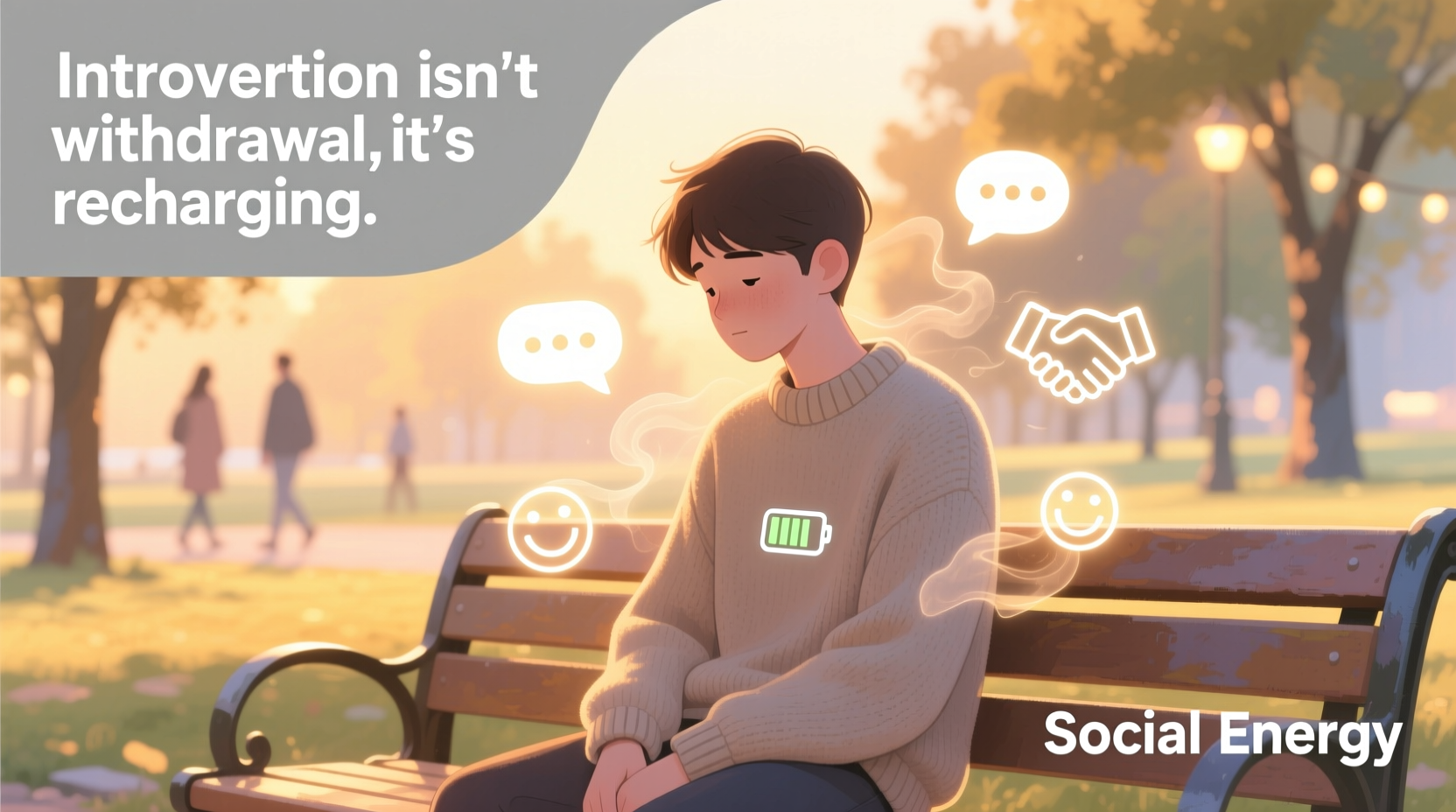
The term “social battery” has gained popularity as a metaphor for the finite energy people have for social interaction. Like a phone battery, it depletes with use and must be recharged. For introverts, this drain happens faster and more intensely than for extroverts, who typically gain energy from being around others.
Introversion isn’t about shyness or disliking people—it’s about how you process stimulation. Introverts tend to be deeply reflective, sensitive to external input, and energized by quiet, meaningful experiences. When their social battery runs low, symptoms include irritability, difficulty concentrating, emotional fatigue, and a strong desire to withdraw.
“Introversion is not a deficit; it’s a different neurological wiring. Recognizing this helps both introverts and their friends move past judgment and toward mutual understanding.” — Dr. Laurie Helgoe, psychologist and author of *Introvert Power*
Explaining this concept to friends requires framing it as a neutral, biological reality—not a personal slight. Just as someone might need to rest after physical exertion, an introvert may need solitude after emotional or cognitive engagement.
How to Communicate Your Needs Without Causing Misunderstanding
The key to discussing your introversion lies in timing, tone, and clarity. Avoid bringing it up in the moment of withdrawal, when emotions are high. Instead, initiate the conversation during a calm, neutral setting—perhaps after a fulfilling hangout or during a one-on-one coffee chat.
Use “I” statements to express your experience without sounding accusatory. For example:
- “I love spending time with you, but I sometimes need quiet afterward to recharge.”
- “I get really excited about our plans, but I’ve noticed I need a day or two of downtime to stay emotionally balanced.”
- “I’m not avoiding you—I just fill my social cup differently. Solitude helps me show up as my best self.”
Avoid language that implies obligation or guilt, such as “I have to cancel” or “I can’t handle this.” Instead, emphasize appreciation and intentionality:
Using Analogies to Make It Relatable
People understand abstract concepts better through comparison. Use everyday metaphors to illustrate your point:
- Battery analogy: “Think of me like a smartphone. Great for a few hours of use, but I need to plug in and charge before I can do it again.”
- Plant analogy: “Some plants thrive in full sun, others need shade. I’m the kind that wilts under too much light but blooms with the right balance.”
- Fuel tank: “I run on deep conversations and quiet time. Big groups use up my fuel fast, so I need to refill slowly.”
These comparisons help friends visualize your experience without feeling blamed. They also normalize differences in energy management.
Setting Boundaries That Preserve Relationships
Healthy boundaries aren’t walls—they’re gates. They allow connection on terms that respect both parties. When you set boundaries around your social energy, you’re not pushing people away; you’re ensuring you can stay connected long-term.
Start by identifying your red flags: What behaviors or situations consistently drain you? Common signs include:
- Back-to-back social events
- Large gatherings with little one-on-one time
- Last-minute invitations
- Pressure to stay longer than comfortable
Once you recognize your limits, communicate them proactively. For instance:
“I’m really looking forward to the party Saturday! I’ll come for the first hour, then head out to recharge. I hope you understand—it’s not about the event, it’s about managing my energy.”
This approach shows enthusiasm while honoring your needs. It also gives your friend time to adjust expectations.
Checklist: Setting Respectful Social Boundaries
- Identify your personal signs of social exhaustion.
- Pick a calm moment to explain your needs using “I” statements.
- Offer analogies to make your experience relatable.
- Suggest alternative ways to connect (e.g., walks, quiet dinners).
- Reaffirm your care for the friendship regularly.
- Be consistent—don’t overcommit just to please.
- Thank friends who respect your boundaries.
Real-Life Example: Navigating a Friendship Shift
Consider Maya, a graphic designer and self-described introvert, who had been close friends with Jess, a vibrant extrovert who loved hosting game nights and spontaneous outings. After several months of feeling drained and anxious, Maya realized she was avoiding calls and canceling plans last minute—damaging trust.
She decided to have an honest conversation: “Jess, I value our friendship deeply. But I’ve noticed that after big group events, I shut down for days. I’m not upset with you—I just recharge differently. I’d love to keep seeing you, but maybe in smaller doses or quieter settings.”
To her surprise, Jess responded with relief: “I thought you were pulling away. I had no idea it was about energy, not me.” They agreed on a new rhythm: monthly brunches instead of weekly parties, occasional solo walks, and text check-ins between meetups.
Within weeks, Maya felt less guilty, and Jess felt more included. Their friendship didn’t weaken—it evolved into something more sustainable.
“Friendships thrive on honesty, not constant availability. When you explain your needs clearly, you give others permission to do the same.” — Dr. Sarah Thornton, relationship therapist
Do’s and Don’ts When Explaining Introversion
| Do | Don’t |
|---|---|
| Use positive language: “I love our time together” | Use negative framing: “I hate going out” |
| Explain your need for solitude as self-care | Frame it as a rejection of others |
| Offer alternatives: “Can we meet for coffee instead?” | Cancel without offering rescheduling options |
| Be consistent in honoring your limits | Overcommit and then cancel, creating unpredictability |
| Express gratitude for their understanding | Assume they should “just get it” without explanation |
This table highlights how small shifts in phrasing and behavior can prevent misunderstandings. The goal isn’t to justify your personality but to foster empathy and cooperation.
Step-by-Step Guide to Recharging Without Guilt
It’s not enough to explain your introversion—you also need a personal strategy for recovery. Here’s a step-by-step process to recharge your social battery effectively:
- Recognize the Signs: Pay attention to early cues—mental fog, irritability, craving silence. These signal depletion.
- Pause and Withdraw Gracefully: Excuse yourself from ongoing interactions with kindness: “I’ve had a great time, but I need to head out. Let’s do this again soon!”
- Create a Recharge Routine: Design a post-social ritual: reading, journaling, walking in nature, or listening to calming music.
- Limit Digital Stimulation: Avoid scrolling through social media or answering messages immediately. Give your mind space to decompress.
- Reflect and Reset: Journal about what drained you and what brought joy. This builds self-awareness for future planning.
- Reconnect on Your Terms: Once recharged, reach out to friends with renewed energy and presence.
This cycle turns social recovery from a source of guilt into a structured act of self-respect.
FAQ: Common Questions About Introversion and Social Energy
Does needing alone time mean I don’t value my friends?
No. Valuing solitude is not the opposite of valuing connection—it’s a prerequisite for authentic connection. When you honor your need to recharge, you show up more present, patient, and engaged when you’re with others.
What if my friend still feels rejected?
Some people may initially misinterpret your boundaries. If this happens, reaffirm your care: “I understand this might feel personal, but it’s not. I’m protecting our friendship by making sure I don’t burn out and pull away completely.” Give them time to adjust.
Can introverts enjoy socializing?
Absolutely. Many introverts love deep conversations, shared hobbies, and intimate gatherings. The difference lies in quantity and pace. Introverts often prefer fewer, more meaningful interactions over frequent, shallow ones.
Conclusion: Building Deeper Connections Through Honesty
Explaining your introversion isn’t about making excuses—it’s about inviting others into your world with clarity and care. When you articulate your social battery limits with empathy and consistency, you create space for healthier, more sustainable relationships. Friends who truly value you will appreciate your honesty, not resent it.
Remember, you don’t have to choose between solitude and connection. With thoughtful communication, you can have both. Start the conversation today—not with apology, but with confidence. Your well-being matters, and so does your ability to maintain meaningful bonds.




 浙公网安备
33010002000092号
浙公网安备
33010002000092号 浙B2-20120091-4
Comments
No comments yet. Why don't you start the discussion?