
Combining nutrient-dense spinach with protein-rich eggs creates a culinary pairing that is as versatile as it is healthful. Whether you're preparing a weekday breakfast, a light lunch, or a last-minute dinner, spinach and eggs offer a foundation for meals that are quick to prepare, deeply satisfying, and adaptable to diverse flavor profiles. This article explores the science and technique behind integrating these two ingredients, offering tested methods that maximize flavor, texture, and nutritional value. From sautéed combinations to baked frittatas and folded omelets, the goal is to equip home cooks with reliable, repeatable approaches that elevate everyday ingredients into balanced, restaurant-quality dishes.
Definition & Overview
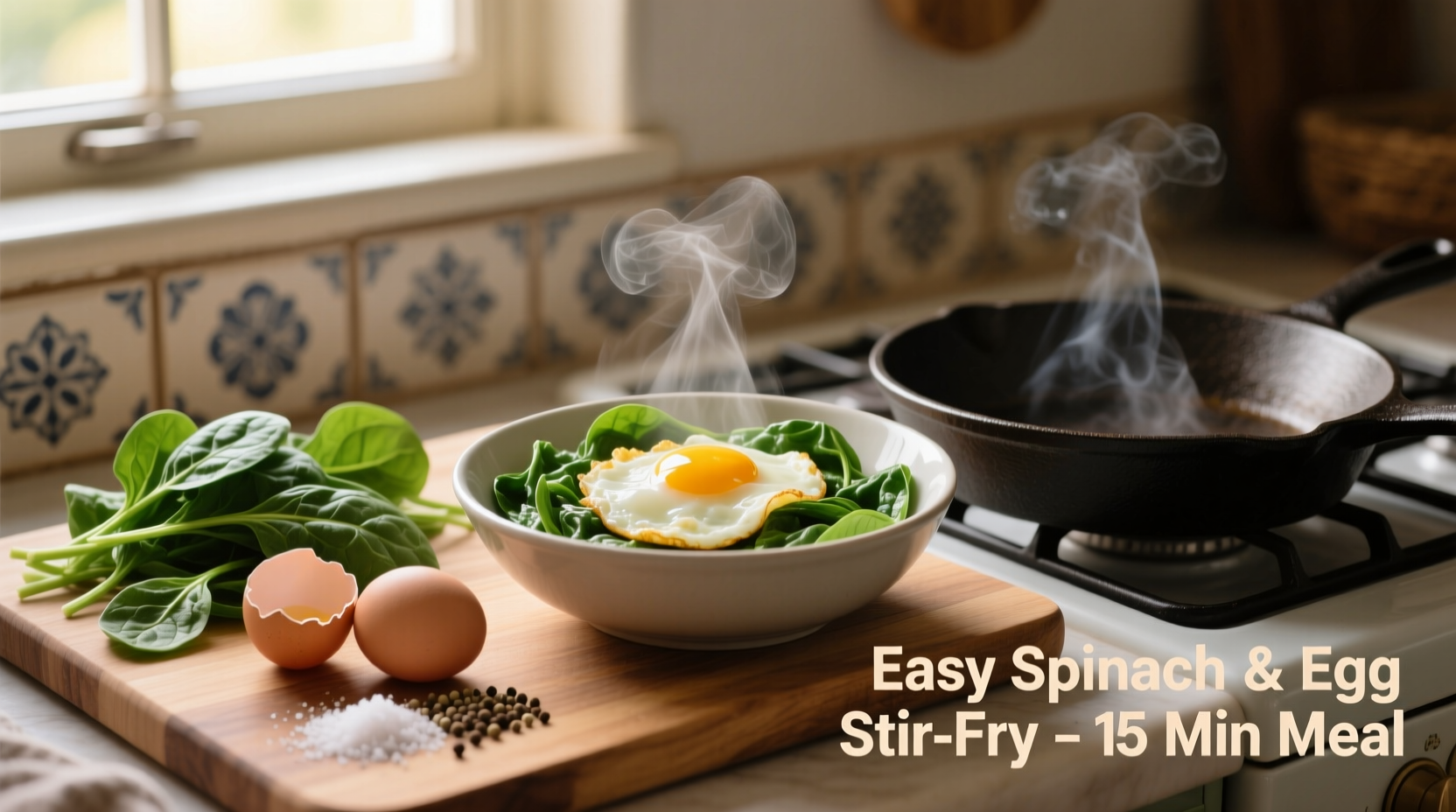
Spinach and egg recipes refer to any dish in which fresh or cooked spinach is combined with whole eggs or egg whites through various cooking techniques—such as scrambling, poaching, baking, or folding into omelets. This combination is rooted in global culinary traditions: from Spanish tortillas enriched with wilted greens to Indian palak mutter-style egg curries, and American diner-style scrambles. The synergy lies in their complementary textures and nutritional profiles—spinach contributes fiber, iron, and vitamins A, C, and K, while eggs deliver high-quality protein, choline, and healthy fats.
At its core, this category of cooking emphasizes speed, nutrition, and minimal ingredient lists. It appeals to those seeking plant-forward yet protein-sufficient meals without relying on meat. Spinach, a leafy green from the *Amaranthaceae* family, has a mild bitterness when raw that mellows into a sweet, earthy note when cooked. Eggs, particularly chicken eggs, act as both a structural and binding agent, capable of absorbing surrounding flavors while contributing richness and body.
Key Characteristics
| Attribute | Spinach | Eggs |
|---|---|---|
| Flavor Profile | Earthy, mildly bitter (raw); sweet, vegetal (cooked) | Creamy, rich, slightly savory (umami when cooked) |
| Aroma | Grassy, fresh (raw); deeper green aroma (cooked) | Neutral when fresh; sulfurous when overcooked |
| Color/Form | Deep green leaves; shrinks significantly when heated | Yellow-orange yolk; translucent white that firms when heated |
| Heat Sensitivity | High—wilts rapidly at 160°F (71°C) | Moderate—overcooking leads to rubberiness and gray-green yolks |
| Culinary Function | Adds volume, color, nutrients; absorbs fats and seasonings | Binds ingredients, adds creaminess, provides structure |
| Shelf Life | 3–5 days refrigerated (raw); up to 1 year frozen (blanched) | 3–5 weeks refrigerated (unopened carton) |
Practical Usage: How to Combine Spinach and Eggs Effectively
The success of spinach and egg dishes hinges on proper timing, moisture control, and seasoning strategy. Because spinach releases water when cooked and eggs can become watery or rubbery if improperly handled, a methodical approach ensures optimal results.
Step-by-Step Technique: Sautéed Spinach and Scrambled Eggs
- Prep the spinach: Wash thoroughly under cold water to remove grit. Remove thick stems if desired. Roughly chop or leave whole depending on dish type. For even wilting, chop uniformly.
- Remove excess moisture: After washing, spin dry in a salad spinner or pat with clean towels. Wet spinach steams instead of sautés, leading to soggy eggs.
- Sauté spinach first: Heat 1 tsp olive oil or butter in a nonstick skillet over medium heat. Add spinach in batches if necessary. Cook 1–2 minutes until just wilted. Transfer to a bowl and lightly press to expel residual liquid.
- Season before adding eggs: Lightly salt the spinach after cooking—this enhances flavor without drawing out more moisture during storage.
- Whisk eggs properly: Crack 2–3 eggs per serving into a bowl. Add a splash (1 tsp) of milk, cream, or water to create steam for fluffier texture. Whisk vigorously until uniform.
- Combine at the right time: Return the skillet to low heat. Add a small amount of fat (butter preferred for flavor). Pour in eggs. As they begin to set at edges, gently fold toward center. When eggs are halfway set, add the cooked spinach. Fold together until eggs reach desired doneness—slightly soft (French-style) or fully firm.
- Finish with acidity: Off heat, stir in a squeeze of lemon juice or dash of vinegar. This brightens the earthy notes of spinach and balances richness.
Pro Tip: Never add raw spinach directly to eggs in a scramble. The released water prevents proper coagulation, resulting in a wet, uneven texture. Always pre-cook and drain spinach thoroughly.
Baked Applications: Frittatas and Egg Muffins
Baking allows for hands-off preparation and consistent results. Frittatas are ideal for feeding crowds or meal prepping.
- Preheat oven to 375°F (190°C).
- Sauté 2 cups spinach with 1 minced garlic clove and ½ tbsp oil. Season with salt, pepper, and a pinch of nutmeg (enhances spinach flavor).
- In a mixing bowl, whisk 6 eggs with ¼ cup milk, ¼ tsp salt, and ⅛ tsp black pepper.
- Stir in sautéed spinach and optional add-ins (e.g., feta, diced tomatoes, onions).
- Pour mixture into an oven-safe skillet (cast iron recommended) or greased baking dish.
- Cook on stovetop over medium heat for 4–5 minutes until edges begin to set.
- Transfer to oven and bake 10–12 minutes until center is just firm. Let rest 5 minutes before slicing.
For individual portions, use a muffin tin. Grease each cup, fill with spinach and egg mixture, and bake at 350°F (175°C) for 18–22 minutes. Cool completely before storing.
Poached Eggs Over Wilted Spinach
This method delivers elegant, restaurant-style presentation with minimal effort.
- Bring a wide pot of water to a gentle simmer (not boiling). Add 1 tbsp white vinegar to help whites coagulate.
- Wilt 2 cups fresh spinach per serving in a skillet with 1 tsp oil and a garlic clove. Season with salt and pepper.
- Crack one egg into a small bowl. Swirl water in pot to create a vortex. Gently slide egg into center. Cook 3–4 minutes for runny yolk.
- Scoop out with slotted spoon, drain on paper towel.
- Place spinach on plate, top with poached egg. Finish with cracked pepper, red pepper flakes, or hollandaise for decadence.
Variants & Types
Different forms of spinach and eggs allow customization based on availability, dietary goals, and cooking context.
Types of Spinach
- Baby Spinach: Tender, sweet, and delicate. Ideal for quick wilting or eating raw in warm egg salads. Requires no stem removal.
- Flat-Leaf (Savoy) Spinach: More robust texture with crinkled leaves. Holds up better in longer cooking. Best for soups, casseroles, and baked dishes.
- Golden Spinach (Mizuna or Chard mix): Often labeled as “spinach blend.” Adds color and variety but may have stronger, peppery notes.
- Frozen Spinach: Pre-cooked and blanched. Convenient but must be thawed and squeezed dry (use cheesecloth or clean towel) before use. Retains most nutrients.
Egg Forms and Modifications
- Whole Eggs: Balanced fat-to-protein ratio. Yolks contribute richness and emulsifying power.
- Egg Whites Only: Lower calorie and fat. Use for high-volume scrambles (e.g., 1 whole egg + 3 whites per serving) to maintain texture.
- Omega-3 Enriched or Pasture-Raised Eggs: Higher in beneficial fats and vitamin D. Noticeably richer yolk color and flavor.
- Duck Eggs: Larger, higher fat content. Creates creamier texture in frittatas but requires adjusted cooking time.
| Form | Best Use Case | Prep Notes |
|---|---|---|
| Baby Spinach + Whole Eggs | Quick scrambles, omelets | No pre-cook needed beyond wilting; minimal prep |
| Frozen Spinach + Egg Whites | Meal prep, fitness diets | Must thaw and squeeze; pair with bold seasonings |
| Savoy Spinach + Duck Eggs | Gourmet brunch, baked dishes | Longer wilting time; slower baking to avoid overcooking |
Comparison with Similar Ingredients
Spinach is often substituted or confused with other leafy greens. Understanding differences ensures recipe fidelity.
| Ingredient | Differences from Spinach | Effect on Egg Dishes |
|---|---|---|
| Kale | Thicker, fibrous; requires longer cooking; more bitter | Needs pre-blanching or extended sautéing; adds chewiness |
| Arugula | Peppery, delicate; wilts instantly | Add raw at end for bite; not suitable for baking |
| Swiss Chard | Earthier; stems require separate cooking | Stems sauté first, then leaves; colorful presentation |
| Collard Greens | Very tough; traditionally boiled | Not ideal for quick egg dishes unless pre-cooked |
Similarly, eggs vary in behavior:
- Tofu scramble: Plant-based alternative using crumbled firm tofu seasoned with turmeric, nutritional yeast, and black salt (kala namak) for eggy aroma. Lacks binding power but mimics texture.
- Chickpea flour (Besan): Used in vegan frittatas. Sets when baked and has nutty flavor. Requires leavening agents for lift.
Practical Tips & FAQs
How do I prevent watery spinach and egg dishes?
Always cook spinach separately and drain well. Press between paper towels or use a fine mesh strainer. If using frozen spinach, thaw overnight in fridge and squeeze aggressively.
Can I eat raw spinach with eggs?
Yes, especially baby spinach. Add to warm scrambled eggs—the residual heat will slightly wilt the leaves while preserving crunch and nutrients. Avoid raw mature spinach in large quantities due to oxalic acid content.
What spices pair best with spinach and eggs?
Nutmeg enhances spinach’s sweetness. Garlic, onion powder, smoked paprika, and cayenne add depth. Fresh herbs like dill, chives, or parsley finish dishes beautifully. Acidic elements (lemon, vinegar) cut richness.
How long do leftovers last?
Refrigerate in airtight container within two hours of cooking. Consume within 3–4 days. Reheat gently in skillet or microwave at 50% power to avoid rubbery eggs.
Can I freeze spinach and egg dishes?
Frittatas and egg muffins freeze well for up to 3 months. Wrap individual slices in parchment, then place in freezer bag. Thaw overnight in fridge and reheat at 325°F (160°C) for 10–15 minutes. Scrambles may release water upon thawing—refresh with a quick sauté.
Are there dairy-free versions?
Absolutely. Substitute milk in egg mixtures with unsweetened almond, oat, or soy milk. Skip cheese or use nutritional yeast for umami. Use olive oil or avocado oil instead of butter.
How to boost protein without adding more eggs?
Incorporate cottage cheese (blended into eggs before cooking), lean turkey sausage, or white beans. These add bulk and protein while maintaining compatibility with spinach’s flavor profile.
Expert Insight: “The key to great spinach and egg dishes isn’t complexity—it’s moisture management. Treat spinach like you would mushrooms: cook it first, extract the water, and build flavor early. Then let the eggs shine without interference.” — Chef Elena Torres, Culinary Instructor, Portland School of Food Arts
Summary & Key Takeaways
Spinach and egg recipes exemplify efficient, nutritious home cooking. By understanding the characteristics of each ingredient—spinach’s water content and earthy notes, eggs’ sensitivity to heat and need for proper emulsification—cooks can consistently produce flavorful, texturally balanced meals.
- Always pre-cook and drain spinach before combining with eggs to prevent sogginess.
- Use baby spinach for quick dishes and savoy or frozen for heartier applications.
- Pair eggs with aromatics like garlic and seasonings such as nutmeg or smoked paprika to enhance depth.
- Baked frittatas and egg muffins are ideal for batch cooking and freezing.
- Poached or softly fried eggs over wilted spinach make elegant, nutrient-dense meals in under 15 minutes.
- Substitutions like egg whites, plant-based milks, or alternative greens allow for dietary customization without sacrificing quality.
Mastery of these simple techniques transforms basic ingredients into a rotating repertoire of healthy, satisfying dishes. Whether fueling a busy morning or assembling a light dinner, spinach and eggs remain a cornerstone of intelligent, everyday cooking. Experiment with spices, cheeses, and global flavor profiles—from Mediterranean feta and olives to Indian-inspired turmeric and ginger—to keep meals dynamic and culturally enriching.
Try one new spinach and egg method this week—perfect it, then adapt it. The fundamentals are simple; the possibilities are endless.




 浙公网安备
33010002000092号
浙公网安备
33010002000092号 浙B2-20120091-4
Comments
No comments yet. Why don't you start the discussion?