
In a digital landscape where over 2 billion people use Facebook monthly, cutting through the noise is harder than ever. Your post might be insightful, timely, and well-intentioned—but if it doesn’t grab attention within seconds, it will vanish into the algorithmic abyss. The key isn’t just posting regularly; it’s crafting content that resonates, sparks emotion, and encourages action. This guide breaks down the exact steps to transform your Facebook presence from passive to powerful, using real-world tactics that drive engagement and visibility.
Understand What Makes Content Engaging
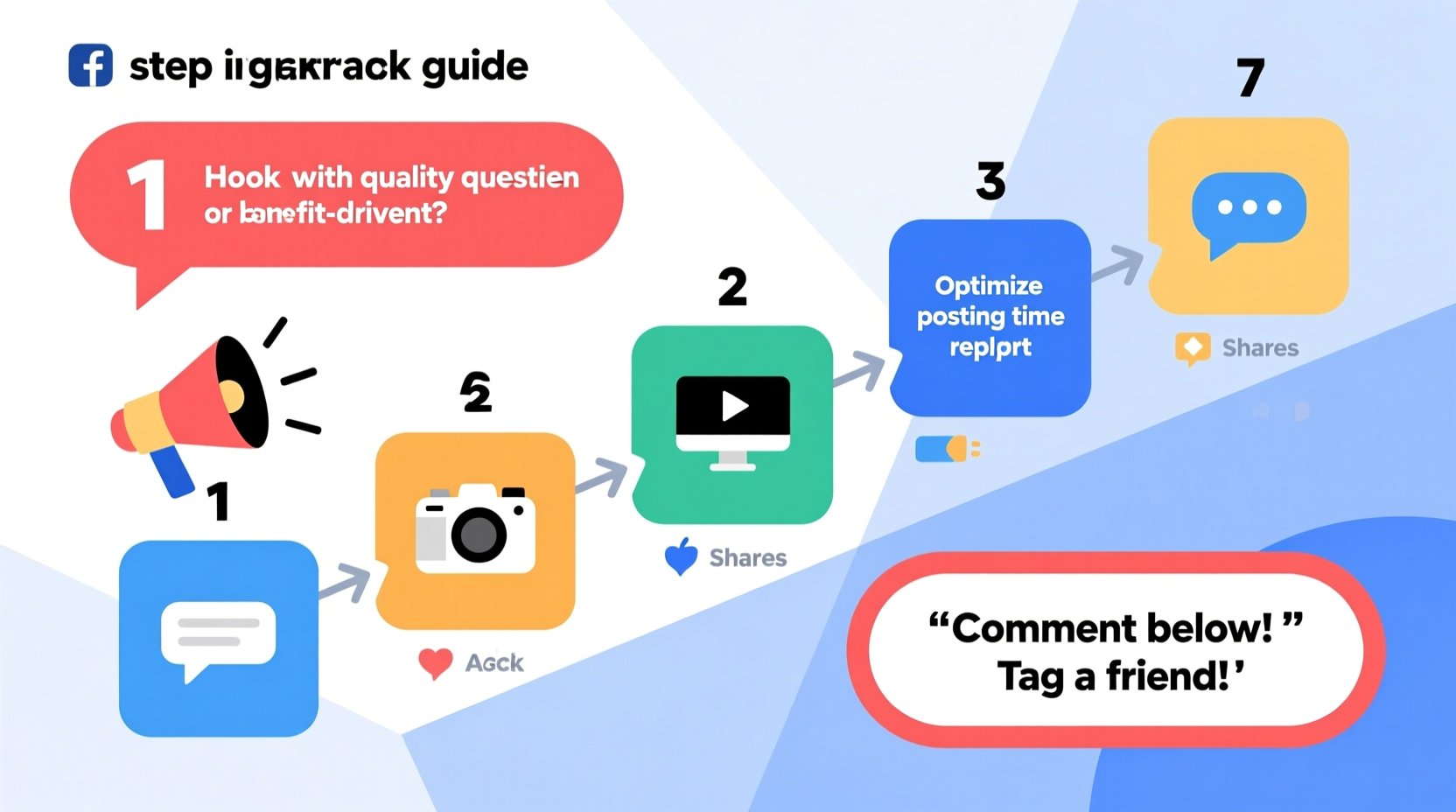
Before crafting a single post, it's essential to understand what \"engagement\" really means on Facebook. It includes likes, comments, shares, reactions, and even time spent viewing or watching your content. But more importantly, engagement signals relevance to Facebook’s algorithm, which then promotes your post to more users in their feeds.
Engaging content typically has one or more of these traits:
- Evokes emotion (humor, surprise, inspiration)
- Offers immediate value (tips, solutions, insights)
- Encourages participation (questions, polls, tags)
- Feels authentic and relatable
- Is visually compelling or easy to consume
“Content that makes people stop scrolling, feel something, and want to respond is the kind that spreads.” — Sarah Kim, Social Media Strategist at BrandLift Agency
Step-by-Step Guide to Crafting High-Engagement Posts
Creating consistently engaging content isn’t guesswork. Follow this seven-step process to maximize impact every time you publish.
- Define your goal: Are you aiming for brand awareness, lead generation, community building, or sales? Your objective shapes tone, format, and call-to-action.
- Know your audience: Who are they? What problems do they have? What language do they use? Use Facebook Insights or Audience Insights to refine your understanding.
- Pick the right format: Match content type to intent. Use short videos for storytelling, carousels for educational breakdowns, images for quotes, and text posts for personal stories.
- Write a scroll-stopping headline: First 3 lines matter most. Use power words like “Proven,” “Free,” “Instant,” or “Secret” to hook attention.
- Add visual appeal: Even text-based posts benefit from contrast. Use bold formatting, emojis sparingly, or overlay text on images for clarity.
- Include a clear CTA: Tell people exactly what to do—comment with an emoji, tag a friend, answer a question, or click a link.
- Post at optimal times: Generally, weekdays between 9–11 AM or 1–3 PM perform best, but test based on your audience’s activity patterns.
Real Example: How a Local Bakery Doubled Engagement
A small bakery in Portland struggled with low interaction despite daily posts. After auditing their strategy, they shifted from generic “We’re open!” updates to behind-the-scenes videos showing bakers decorating cakes, accompanied by captions like: “Guess how many sprinkles we used? First correct answer gets a free cookie!”
Within three weeks, average comments per post rose from 2 to 17, and shares increased fivefold. The lesson? Humanize your brand and invite participation—it turns passive viewers into active participants.
Do’s and Don’ts of Facebook Engagement
| Do | Don’t |
|---|---|
| Ask open-ended questions (“What’s your go-to breakfast?”) | Use vague CTAs (“Let us know”) |
| Respond to every comment within 24 hours | Ignore negative feedback or delete critical comments |
| Use native video uploads (not YouTube links) | Share external links without preview context |
| Test different post lengths (short vs. long-form) | Assume one style works forever—refresh your approach monthly |
| Tag relevant partners or customers (with permission) | Spam hashtags (#smallbusiness #entrepreneur #love) |
Optimize for Algorithm & Reach
Facebook’s algorithm prioritizes meaningful interactions. That means posts sparking conversations rank higher than those merely accumulating likes. To align with this:
- Start discussions instead of broadcasting announcements.
- Pin a thoughtful comment to your own post to seed conversation.
- Avoid engagement bait (e.g., “Like this if you love coffee!”), which Facebook penalizes.
- Encourage replies by asking followers to share experiences (“Tell us about your first job!”).
Also, consider posting natively. Uploading video directly to Facebook—not linking from YouTube or TikTok—signals commitment to the platform and improves distribution.
Checklist: Pre-Publish Review for Every Post
Run through this checklist before hitting “Post”:
- ✅ Is the first sentence strong enough to stop the scroll?
- ✅ Does the content offer value or evoke emotion?
- ✅ Is there a clear call-to-action?
- ✅ Have I included a visual (image, video, graphic)?
- ✅ Did I proofread for grammar and tone?
- ✅ Am I posting at a high-engagement time?
- ✅ Have I scheduled time to respond to comments after posting?
Frequently Asked Questions
How often should I post on Facebook to stay visible?
For most pages, 3–5 high-quality posts per week are sufficient. Posting daily with low-value content can hurt reach. Focus on consistency and engagement quality over frequency.
Should I use hashtags on Facebook?
Limited use is acceptable—1–2 relevant hashtags max. Overuse looks spammy and distracts from your message. Prioritize community groups and keyword searchability instead.
Why aren’t my posts getting seen even when I follow best practices?
Organic reach has declined across social platforms. Combine organic efforts with targeted boosting ($5–$10 per post) to test what resonates. Also, review your Page’s engagement history—low past performance can limit future visibility.
Final Thoughts: Build a Habit, Not Just Posts
Creating engaging Facebook posts isn’t about chasing virality. It’s about building trust, fostering connection, and delivering consistent value. The most successful pages don’t rely on tricks—they treat each post as a conversation starter. When you shift from broadcasting to engaging, your audience responds not just with likes, but with loyalty.
Mastery comes from iteration. Publish, observe, learn, refine. Track which types of questions generate the most replies, which visuals earn shares, and which CTAs convert. Then double down on what works.




 浙公网安备
33010002000092号
浙公网安备
33010002000092号 浙B2-20120091-4
Comments
No comments yet. Why don't you start the discussion?