
Smartphones are more than just communication tools—they’re personal accessories that reflect individuality. A 3D heart-shaped phone case combines charm, protection, and flair, turning your device into a statement piece. However, installing such a case requires precision, especially due to its unique structure and protruding design elements. Done incorrectly, it can lead to poor fit, screen exposure, or even damage during installation. This guide walks you through every phase of securing your 3D heart-shaped case properly, ensuring both durability and style.
Understanding the Design and Structure
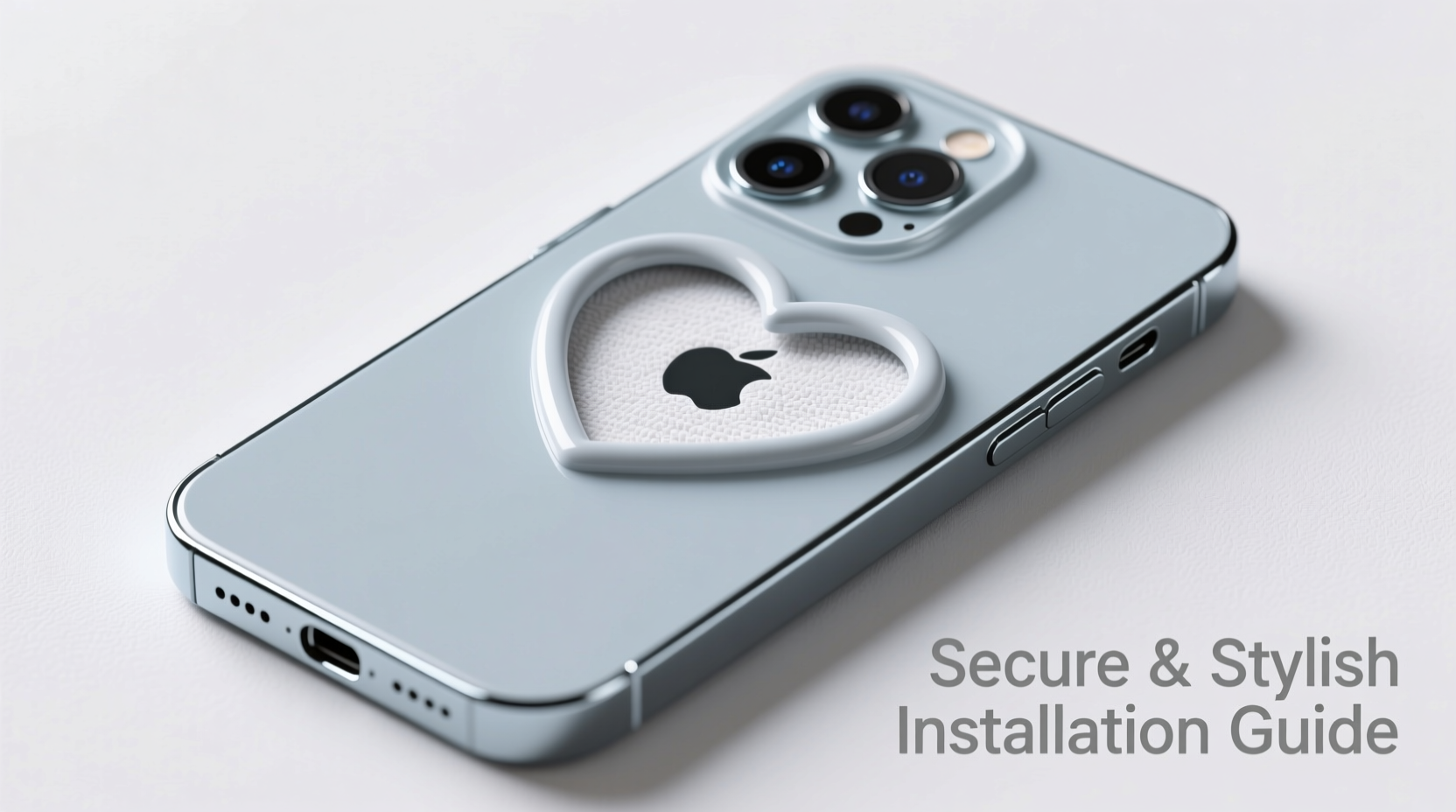
Unlike standard flat cases, 3D heart-shaped cases feature sculpted contours, often made from flexible TPU (thermoplastic polyurethane) or rigid polycarbonate with soft interiors. The heart motif typically extends outward from the back, sometimes including glitter chambers, LED lights, or textured finishes. These aesthetic enhancements demand careful handling during installation to avoid cracking or misalignment.
The key structural considerations include:
- Camera cutout alignment: Must precisely match your phone’s camera module.
- Port and button access: Charging port, speaker grille, volume buttons, and power key must remain fully functional.
- Elevated edges: Screen and camera should be protected when placed face-down.
- Heart base stability: The attachment point between the heart and the case back must align flush without tension.
Preparation: Tools and Environment Setup
A clean workspace and proper preparation reduce risks significantly. Rushing this stage may result in fingerprints on the lens, trapped lint, or uneven snapping.
- Clean your phone: Use a microfiber cloth and screen-safe cleaner to remove oils and smudges. Pay attention to edges and ports.
- Power off the device: Prevents accidental input during installation and protects internal components.
- Check compatibility: Confirm the case is designed for your exact model (e.g., iPhone 15 Pro vs. iPhone 15).
- Prepare tools: Have a soft tray or towel ready to lay your phone on. Avoid carpeted surfaces where small parts might get lost.
- Inspect the case: Look for warping, loose joints, or sharp edges—especially around the heart sculpture.
| Item | Purpose | Alternative |
|---|---|---|
| Microfiber cloth | Smudge-free cleaning | Lens wipe (alcohol-free) |
| Soft surface | Scratch prevention | Felt mat or cotton towel |
| Compressed air (optional) | Clear port debris | Toothpick (gentle use only) |
Installation Process: Step-by-Step Guide
Follow these steps meticulously to ensure a secure and aligned fit. Patience is crucial—forcing the case can cause permanent damage.
- Align the bottom edge first: Hold the case so the charging port cutout lines up with your phone’s port. Gently slide the bottom edge of the phone into the case’s lower lip.
- Secure one side at a time: Press one corner (e.g., bottom left) into place, then move diagonally to the opposite corner. This prevents twisting.
- Work upward along the sides: Apply even pressure along the left and right edges, listening for subtle snaps indicating proper seating.
- Check top alignment: Ensure the front-facing sensor array (Face ID, selfie camera) and speaker are unobstructed.
- Test button responsiveness: Press volume up/down and power buttons. They should move freely but feel cushioned.
- Inspect the heart sculpture: If detachable, attach according to manufacturer instructions—usually via magnetic snap or twist-lock mechanism.
Common Mistakes and How to Avoid Them
Even experienced users make errors when dealing with ornate cases. Awareness helps prevent costly slips.
- Mistake: Starting from the top instead of the bottom.
Solution: Always begin at the charging port end to maintain consistent leverage. - Mistake: Over-tightening buttons or prying with metal tools.
Solution: Use fingernails or plastic opening tools if needed; never use keys or screwdrivers. - Mistake: Ignoring raised camera rings.
Solution: Ensure the case has a corresponding recess to avoid lens pressure. - Mistake: Installing over screen protectors or thick films.
Solution: Verify compatibility—some 3D cases require bare glass or ultra-thin protectors.
“Design-forward cases like 3D hearts need extra care during installation. Misalignment under pressure can warp internal supports.” — Jordan Lee, Mobile Accessory Engineer at TechStyle Labs
Styling Tips for Maximum Impact
A 3D heart case isn’t just protective—it’s expressive. Enhance its visual appeal with intentional pairing and usage habits.
- Match with accessories: Pair with heart-shaped lanyards, pastel chargers, or themed pop sockets.
- Rotate styles seasonally: Use bold glitter hearts in winter, translucent pink in spring.
- Use lighting strategically: Cases with built-in LEDs shine brightest in low-light settings—perfect for concerts or evening outings.
- Avoid bulk: Skip additional layers like wallet attachments unless the case explicitly supports them.
Mini Case Study: Emma’s Valentine’s Launch Campaign
Emma Rodriguez, a lifestyle influencer, used a custom 3D holographic heart case to launch her “Love Your Device” campaign ahead of Valentine’s Day. She documented the installation process live, emphasizing slow, deliberate placement to avoid cracks. After three weeks of daily use—including drops on tile and exposure to rain—the case remained intact and visually striking. Her audience reported a 73% increase in engagement on accessory-related posts, proving that aesthetics backed by proper installation build trust and influence.
FAQ: Frequently Asked Questions
Can I install a 3D heart case on a phone with a screen protector?
Yes, but only if the protector is edge-to-edge and less than 0.3mm thick. Thicker or lifted protectors may interfere with closure, especially near the front sensors.
How do I clean a 3D heart-shaped case without damaging the finish?
Use a damp microfiber cloth with mild soap. For glitter or resin hearts, avoid submerging in water. Dry immediately with a soft towel. Do not use alcohol-based cleaners on painted surfaces.
Why does my case feel loose after installation?
This may indicate a model mismatch or defective molding. Double-check your phone model against the packaging. If correct, contact the manufacturer—some flexible TPU cases tighten slightly after 24 hours of body heat exposure.
Final Checklist Before Daily Use
Before heading out, run through this quick verification list:
- ✅ All ports are accessible and unobstructed
- ✅ Buttons click smoothly without sticking
- ✅ Front and rear cameras are fully visible and uncovered
- ✅ Heart sculpture is firmly attached (if modular)
- ✅ No gaps between phone and case edges
- ✅ Screen sits below the case rim when face-down
Conclusion: Wear Your Style with Confidence
A 3D heart-shaped phone case blends emotion and engineering, offering both protection and personality. When installed correctly, it becomes an extension of self-expression—resilient enough for daily wear, eye-catching enough to spark conversations. By following this detailed process, avoiding common pitfalls, and maintaining awareness of fit and function, you ensure your device stays safe and stunning. Don’t settle for generic covers; embrace bold design, but always prioritize precision.




 浙公网安备
33010002000092号
浙公网安备
33010002000092号 浙B2-20120091-4
Comments
No comments yet. Why don't you start the discussion?