
Megir watches are known for their sleek design and affordable luxury appeal. Many models come with water resistance ratings—typically 30m, 50m, or even 100m—but these numbers can be misleading. Water resistance isn’t permanent; it degrades over time due to gasket wear, temperature changes, and physical impacts. While professional pressure testing is the gold standard, not everyone has access to a watchmaker. Fortunately, there are practical, low-risk ways to assess your Megir watch’s water resistance at home. This guide walks you through a realistic, cautious approach to help you determine whether your watch can handle splashes, showers, or swimming—without risking irreversible damage.
Understanding Water Resistance Ratings
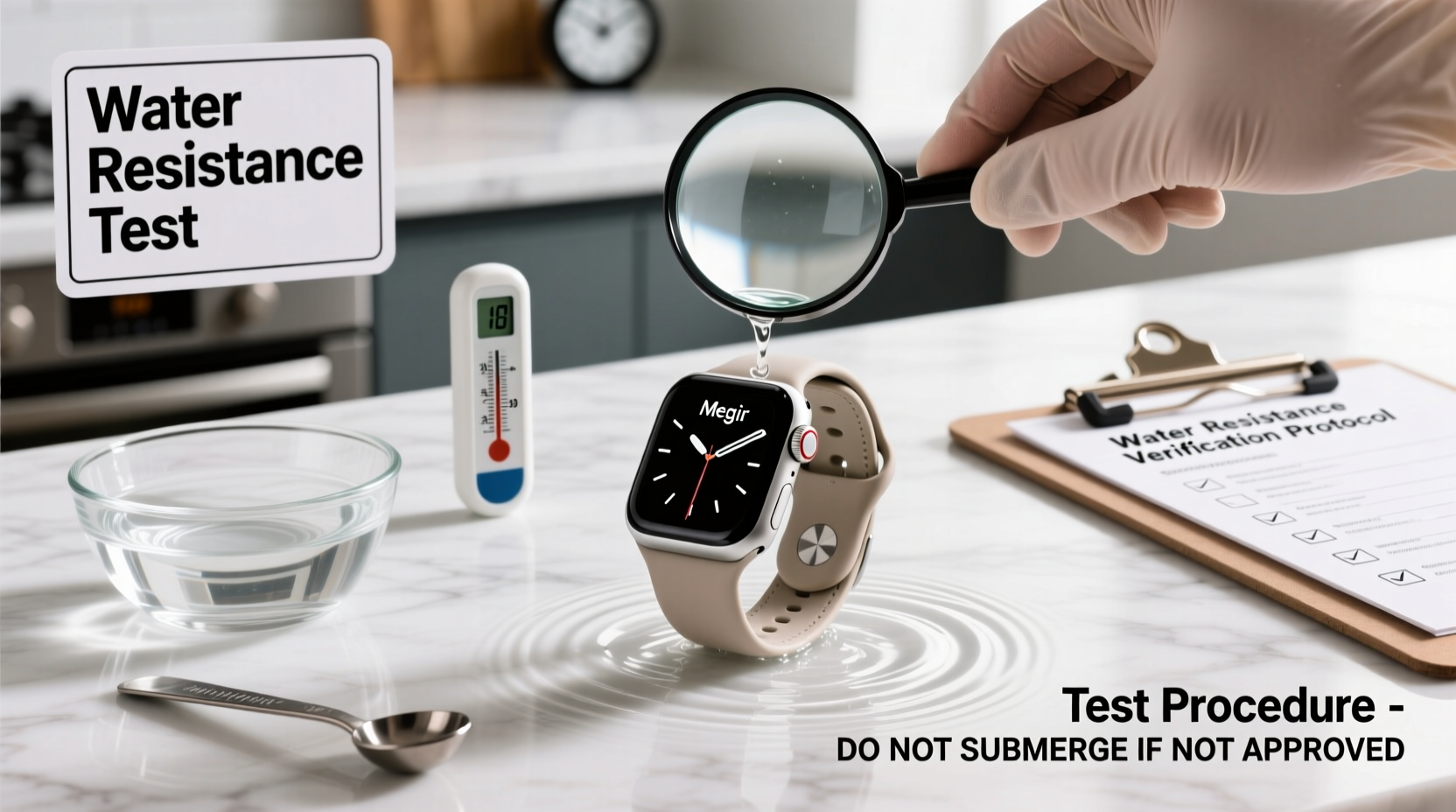
Before testing, it’s essential to understand what water resistance ratings actually mean. These figures—such as 30m, 50m, or 100m—refer to static pressure in a lab setting, not depth during actual diving. For example:
| Rating | Real-World Use | Not Suitable For |
|---|---|---|
| 30 meters (3 ATM) | Resists splashes, rain, handwashing | Showering, swimming, submersion |
| 50 meters (5 ATM) | Swimming in shallow water, snorkeling | Diving, hot showers, high-pressure jets |
| 100 meters (10 ATM) | Snorkeling, recreational diving | Scuba diving beyond 40m, steam rooms |
A watch labeled “water resistant” without a depth rating typically means only splash protection. Always check your Megir model’s engraving on the case back for its specific rating.
“Water resistance is not a lifetime guarantee. Gaskets degrade, crowns loosen, and impacts compromise seals—even on well-made watches.” — Daniel Reyes, Watch Technician & Horology Instructor
Step-by-Step Home Testing Procedure
True pressure testing requires specialized equipment, but you can perform observational checks at home to detect early signs of compromised water resistance. Follow this timeline carefully to avoid damage.
- Inspect the Case and Crown: Examine the watch under bright light. Look for dents, cracks, or misalignment. Ensure the crown screws down tightly (if applicable) and shows no wobbling. Any gap here is a red flag.
- Check for Moisture Inside: Hold the watch at eye level and tilt it slowly. Look for fogging, droplets, or condensation under the crystal. Even a tiny haze suggests moisture has entered.
- Conduct the Condensation Test: Place the watch in a sealed plastic bag with a damp (not wet) cloth for 15 minutes. If internal fog appears after removal, the seal is likely compromised.
- Test Under Controlled Drip Conditions: Run lukewarm tap water over the watch for 30 seconds, mimicking handwashing. Dry thoroughly with a soft cloth. Wait 10 minutes and recheck for moisture inside.
- Monitor After Exposure: Over the next 24 hours, periodically inspect the crystal and dial. Delayed fogging indicates slow seepage through weakened gaskets.
Do’s and Don’ts of Home Water Resistance Checks
To prevent accidental damage while evaluating your watch, follow this clear list of best practices.
| Do’s | Don’ts |
|---|---|
| Use lukewarm water only | Never use boiling or icy water |
| Dry immediately with a microfiber cloth | Don’t rub aggressively if wet inside |
| Perform tests gradually over days | Don’t submerge unless rated for it |
| Keep records of each test result | Don’t rely solely on home tests for diving |
| Store in a dry place post-test | Don’t expose to soaps, perfumes, or chlorine |
Real-World Example: A Cautionary Test
Carlos, a Megir 3068 owner, believed his 50m-rated watch was safe for pool use. After noticing slight fogging following a beach day, he decided to investigate. He placed the watch in a sealed container with a damp sponge overnight. The next morning, two tiny droplets had formed under the crystal. Though the watch still ran perfectly, Carlos took it to a local jeweler. The technician confirmed the crown gasket had cracked from sand exposure. By catching the issue early, Carlos avoided complete water damage and paid only $15 for a gasket replacement instead of a full movement repair.
This scenario illustrates how subtle signs can precede major failure—and why proactive observation matters.
Essential Checklist Before Any Water Exposure
Use this checklist every time you plan to expose your Megir watch to moisture:
- ✅ Confirm the water resistance rating engraved on the case back
- ✅ Inspect the crystal for cracks or lifting edges
- ✅ Ensure the crown is fully pushed in or screwed down
- ✅ Avoid pressing buttons underwater (if applicable)
- ✅ Rinse with fresh water after saltwater exposure (only if 100m+ rated)
- ✅ Wipe dry immediately with a soft, lint-free cloth
- ✅ Check for fogging within an hour of exposure
Frequently Asked Questions
Can I swim with my 30m water-resistant Megir watch?
No. Despite the “30 meters” label, this rating only protects against accidental splashes, sweat, or rain. Swimming creates dynamic pressure far exceeding 3 ATM, especially with arm movement. Submersion risks immediate water ingress.
How often should I have my Megir watch tested professionally?
Every 1–2 years if regularly exposed to moisture. Even occasional swimmers or showerers should get a pressure test annually. Gaskets degrade silently, and early detection prevents corrosion of internal components.
What should I do if water gets inside my watch?
Turn it off immediately (if quartz), remove the band if possible, and place it in a sealed container with silica gel packets. Do not attempt to open it yourself. Take it to a professional within 24 hours to minimize rust and circuit damage.
Final Recommendations and Preventive Care
While home testing provides insight, it cannot replace calibrated pressure equipment. Think of these steps as preventive screening—not certification. True reliability comes from regular maintenance: replacing gaskets every 18–24 months, avoiding thermal shocks (like saunas), and never adjusting the time or date after water exposure.
If your Megir watch frequently encounters moisture, consider investing in a waterproof travel case or switching to a higher-rated model (e.g., 100m+) for peace of mind. Remember, water damage is rarely covered under warranty, especially if caused by misuse or aging seals.
“The cheapest watch maintained well outperforms the most expensive one neglected.” — Lena Petrov, Certified Watch Conservator
Take Action Today
Your Megir watch is more than an accessory—it’s a tool built to last with proper care. Start by inspecting it tonight. Perform the condensation test tomorrow. Keep a log. Share your experience with fellow enthusiasts. Small habits today prevent costly repairs tomorrow. Treat your watch not just as a timekeeper, but as a companion worth protecting.




 浙公网安备
33010002000092号
浙公网安备
33010002000092号 浙B2-20120091-4
Comments
No comments yet. Why don't you start the discussion?